 Diabetes In Control. A free weekly diabetes newsletter for Medical Professionals. News and information for Medical Professionals.
When glucose numbers improve, patients are expected to feel better. Yet some people with type 1 diabetes report the opposite. A glucose level that looks reassuring on a continuous glucose monitor may leave them feeling tired, uncomfortable, or simply “off.” New research suggests that glycemic habituation may help explain this …
Read More »Dialysis Changes the Rules: What Happens When Patients With Diabetes Use Real-Time CGM?
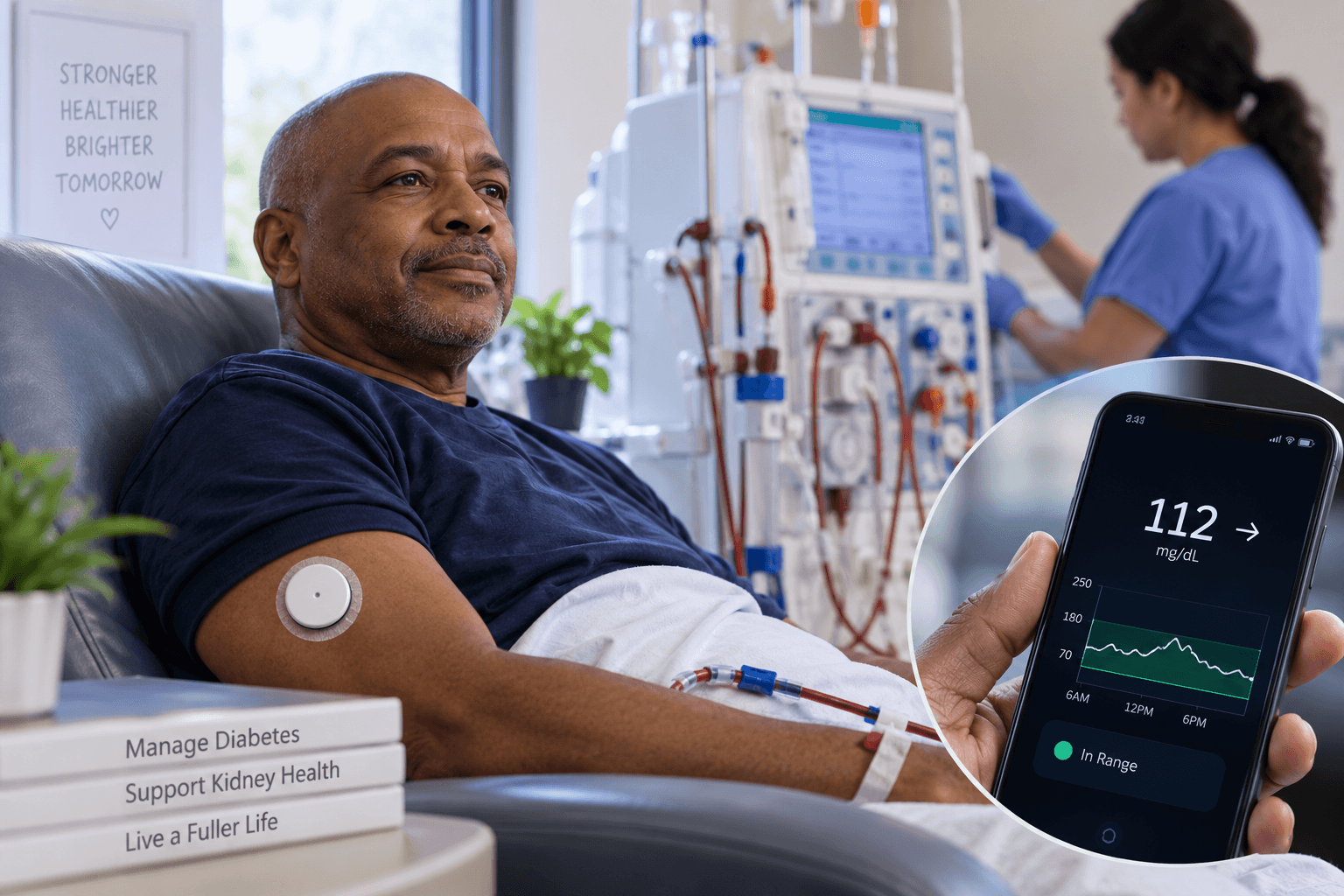
Managing glucose is rarely simple for people with Type 2 diabetes who receive maintenance hemodialysis. Dialysis can change glucose patterns, insulin needs, and the reliability of familiar measures such as A1C. As a result, clinicians may have an incomplete picture when making treatment decisions. New randomized research on CGM use …
Read More »Three Decades of Better Type 1 Diabetes Care: Have Complications Actually Declined?

Three decades of advances in diabetes care have transformed how people with type 1 diabetes manage glucose. Insulin pumps, continuous glucose monitoring (CGM), improved insulin analogs, automated insulin delivery, and earlier screening have all changed daily treatment. However, have these advances actually reduced the long-term complications of type 1 diabetes? …
Read More »Beyond A1C: Can CGM Help Prevent Severe Hypoglycemia and DKA?
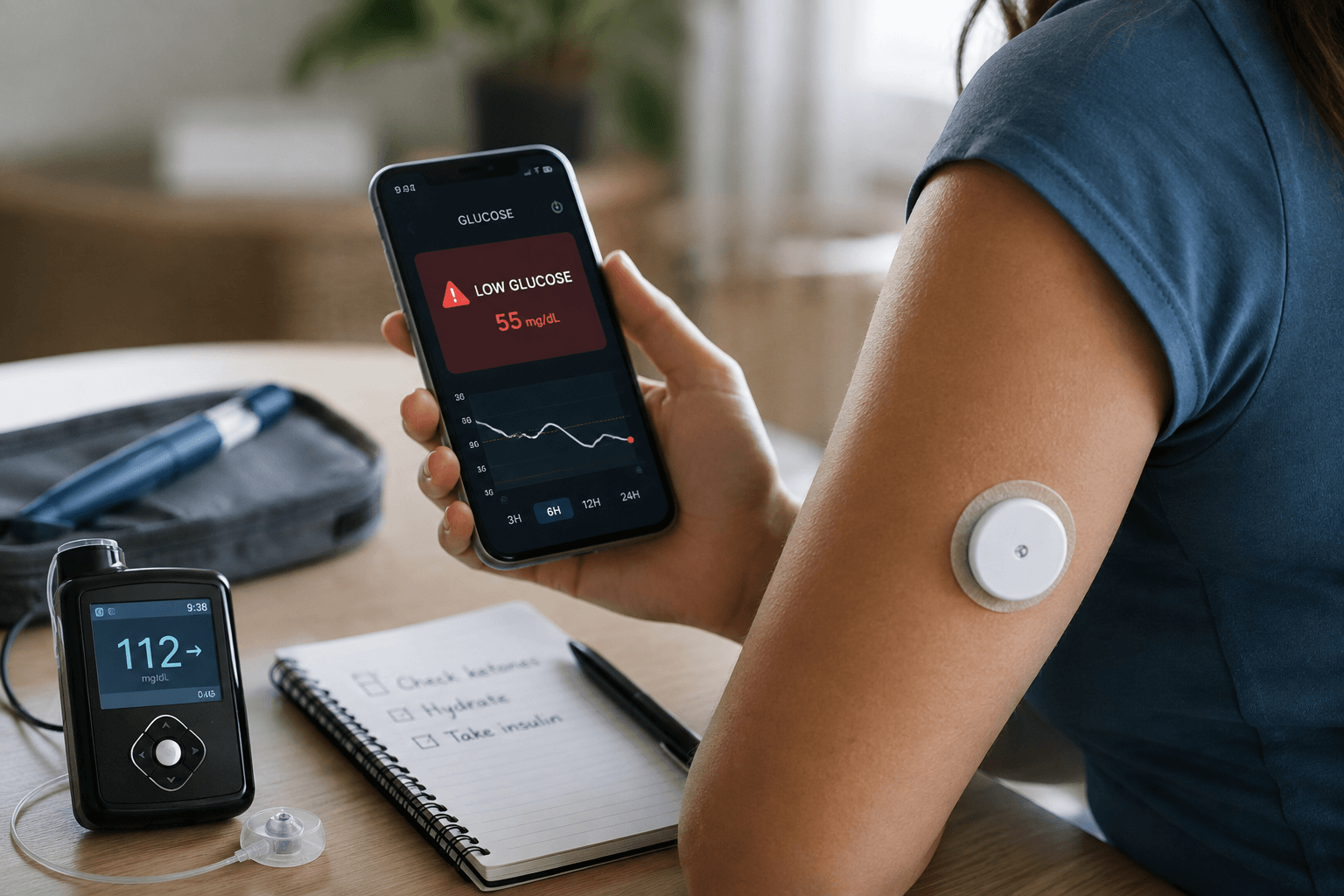
Continuous glucose monitoring has changed how clinicians and people with diabetes think about glucose control. Yet the next question is more important than whether CGM improves A1C or Time in Range. Can it prevent events that send patients to the emergency department or hospital? Growing evidence suggests that CGM may …
Read More »Waking Up With High Blood Sugar? How to Manage the Dawn Phenomenon
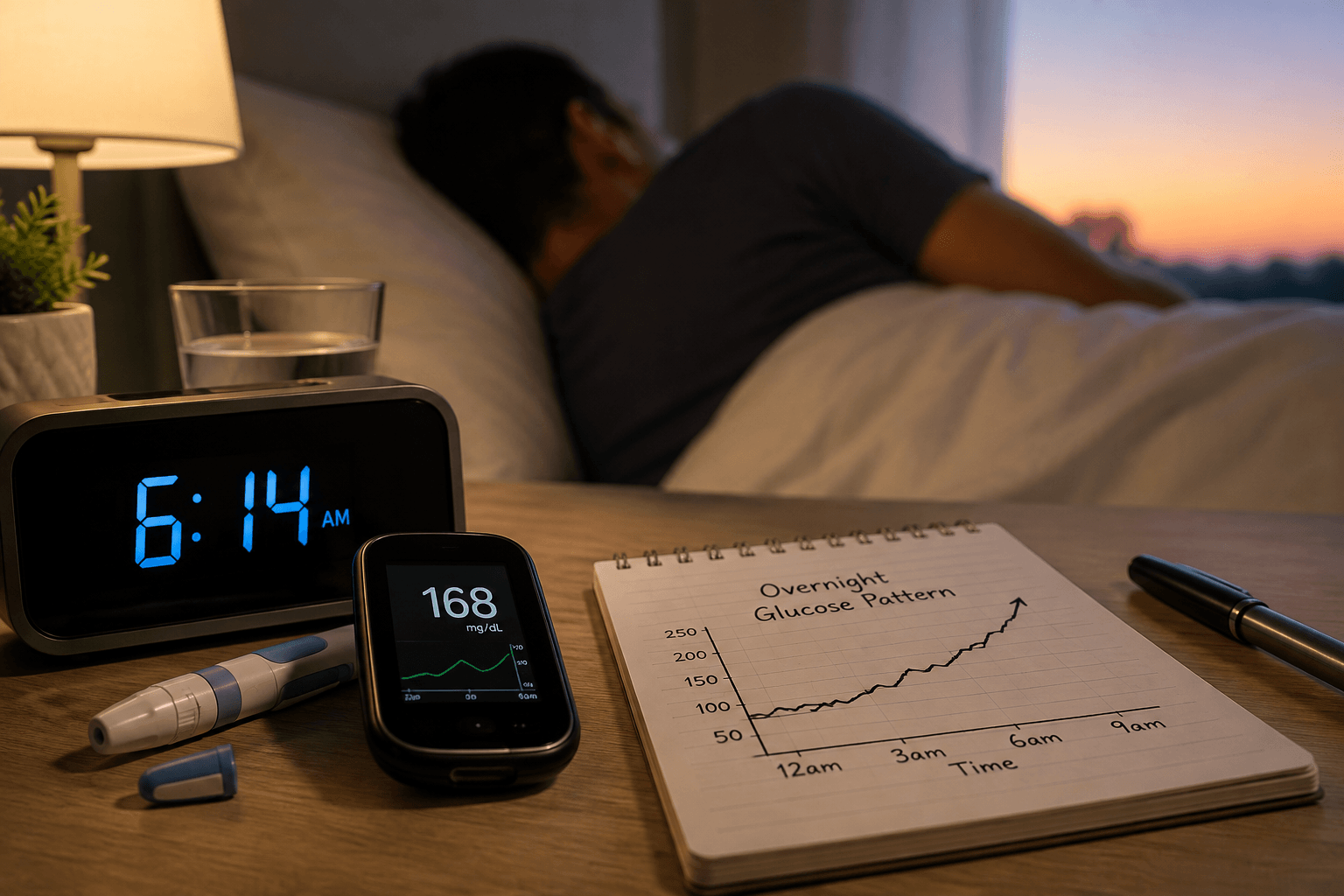
You went to bed with your blood sugar in range, skipped the midnight snack, and still woke up high. What happened? For many people with diabetes, natural early-morning hormone changes may be responsible. Understanding the dawn phenomenon can help you recognize this pattern and discuss safe ways to improve morning …
Read More »Years After Bariatric Surgery, Blood Sugar Can Crash Without Warning. Here’s Why.

Blood glucose may improve dramatically after metabolic or bariatric surgery. Yet, for some patients, a very different glucose problem develops months or years later. Post-bariatric hypoglycemia can cause sudden drops in blood glucose after meals, with symptoms ranging from sweating and tremor to confusion, seizures, or loss of consciousness. Because …
Read More »It’s Not Just About Sleep: How Circadian Medicine Could Rewrite Diabetes Care

Diabetes care has traditionally focused on what patients eat, how much they exercise, and which medications they use. However, a growing field adds another question: when do these things happen? Research into circadian medicine in diabetes care suggests that the body’s internal clock may influence insulin sensitivity, glucose tolerance, hormone …
Read More »Diabetes Research Is Being Reinvented: Why Today’s Clinical Trials Look Nothing Like a Decade Ago

Modern diabetes clinical trials look very different from the tightly controlled, site-centered studies clinicians relied on a decade ago. Remote visits, continuous glucose monitoring, wearable sensors, digital data collection, and broader enrollment are changing how evidence is generated. Meanwhile, newer trial designs can make studies more flexible and potentially more …
Read More »Can Bi-Hormonal Systems Finally Eliminate Severe Hypoglycemia?
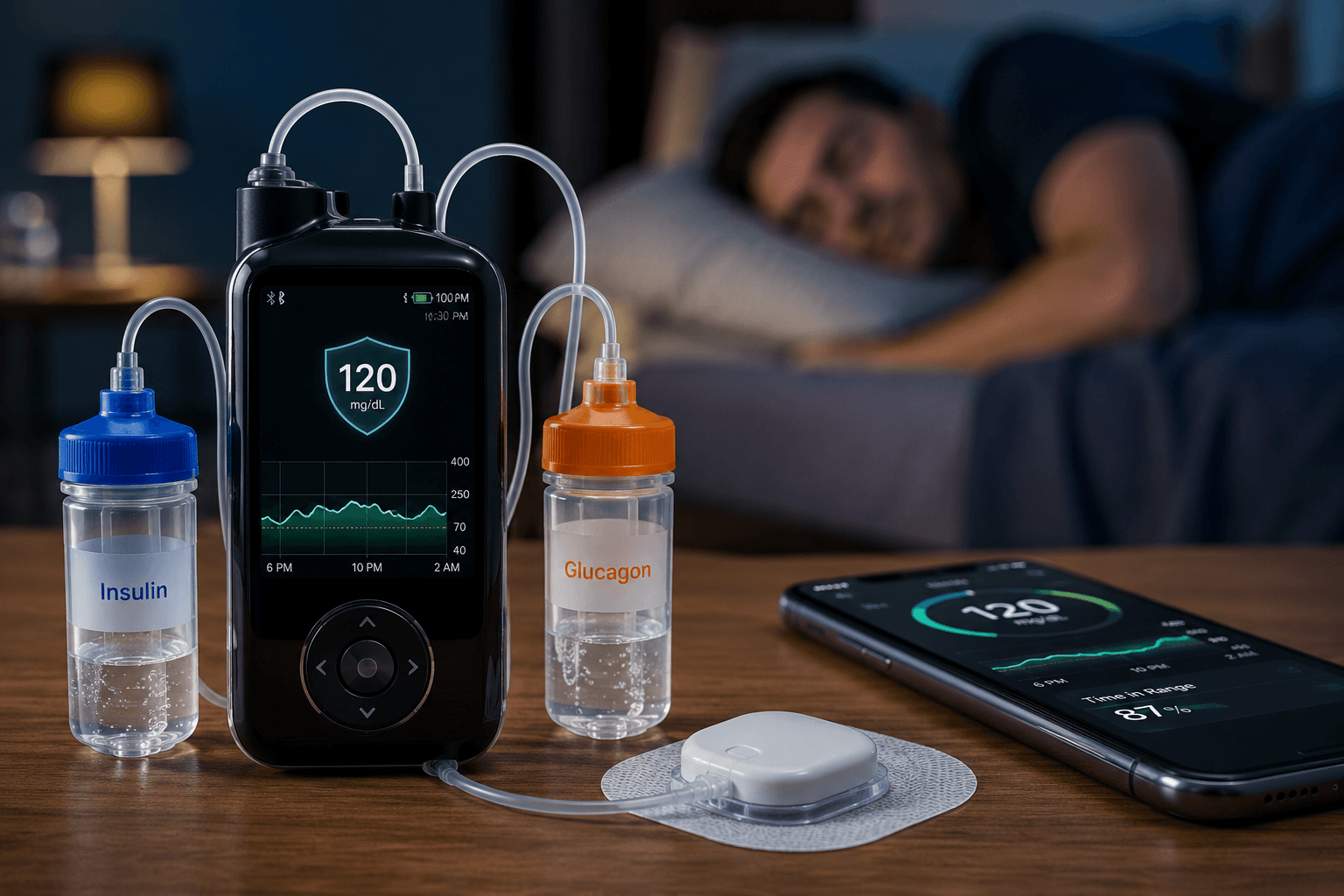
Many people with type 1 diabetes live with the constant fear of blood glucose dropping too low. Even today’s most advanced automated insulin delivery systems cannot actively raise glucose once levels begin to fall. Instead, they can only reduce or suspend insulin delivery. A dual-hormone artificial pancreas system changes that …
Read More »Why Some Young Adults Lose Diabetes Control After Leaving Pediatric Care

The transition from pediatric to adult diabetes care is one of the most challenging periods in the lives of young people with diabetes. While many adolescents successfully manage their condition with the support of pediatric diabetes teams, moving into adult healthcare often coincides with worsening blood glucose control, missed appointments, …
Read More »