 Diabetes In Control. A free weekly diabetes newsletter for Medical Professionals. News and information for Medical Professionals.
The Pivot Insulin Delivery System received a new FDA clearance in September 2026. Learn what changed and what clinicians should know.
Read More »Pivot Just Got an FDA Update—Here’s What Actually Changed

The Pivot Insulin Delivery System received a new FDA clearance in September 2026. Learn what changed and what clinicians should know.
Read More »
TrialNet’s ASCEND T1D trial compares ATG with teplizumab to explore new ways to delay progression of Stage 2 type 1 diabetes.
Read More »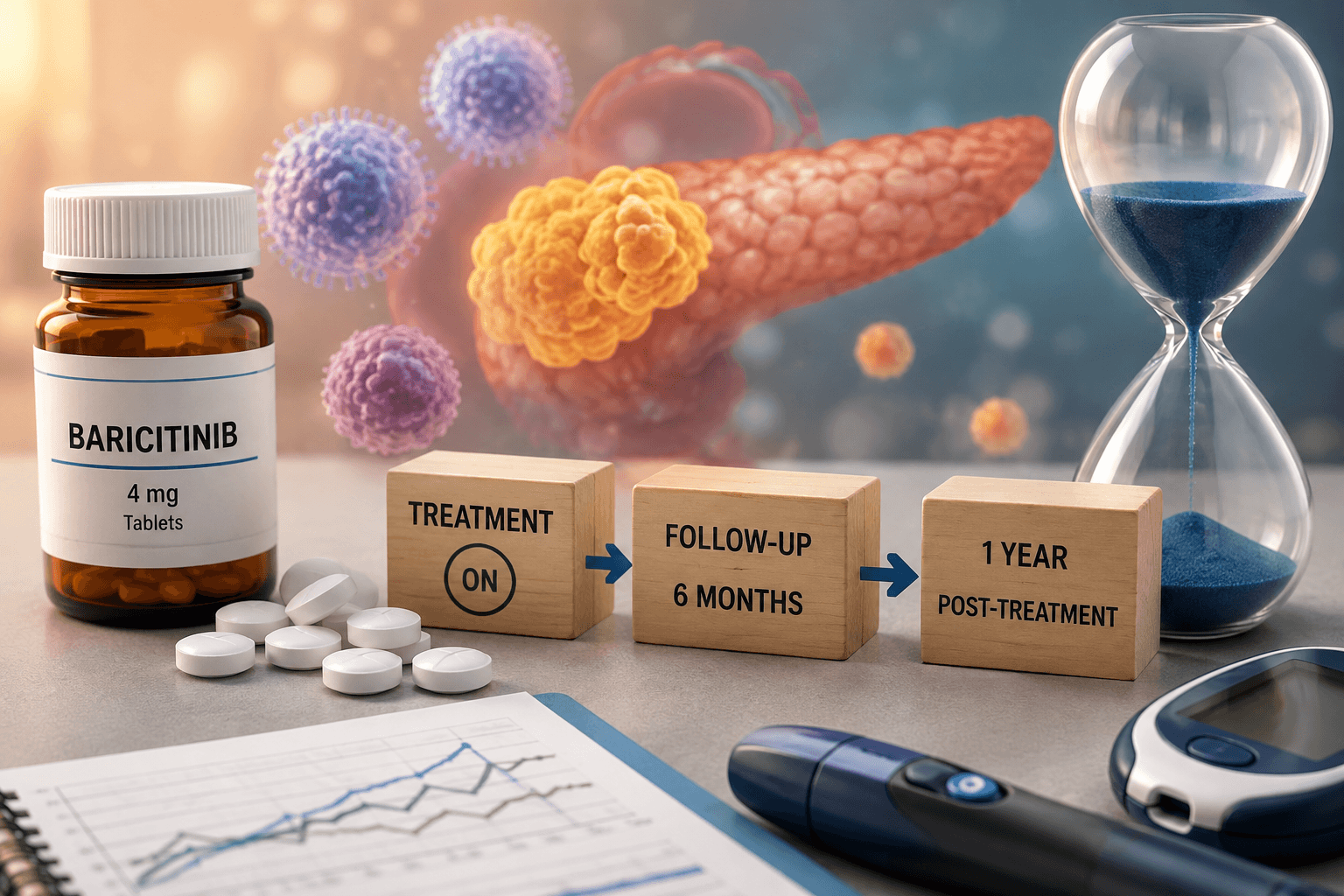
New follow-up research on baricitinib for type 1 diabetes addresses a crucial question: what happens after the drug is stopped? The original BANDIT trial showed that 48 weeks of oral baricitinib helped preserve beta-cell function in people with recently diagnosed type 1 diabetes. However, new follow-up research examines participants through …
Read More »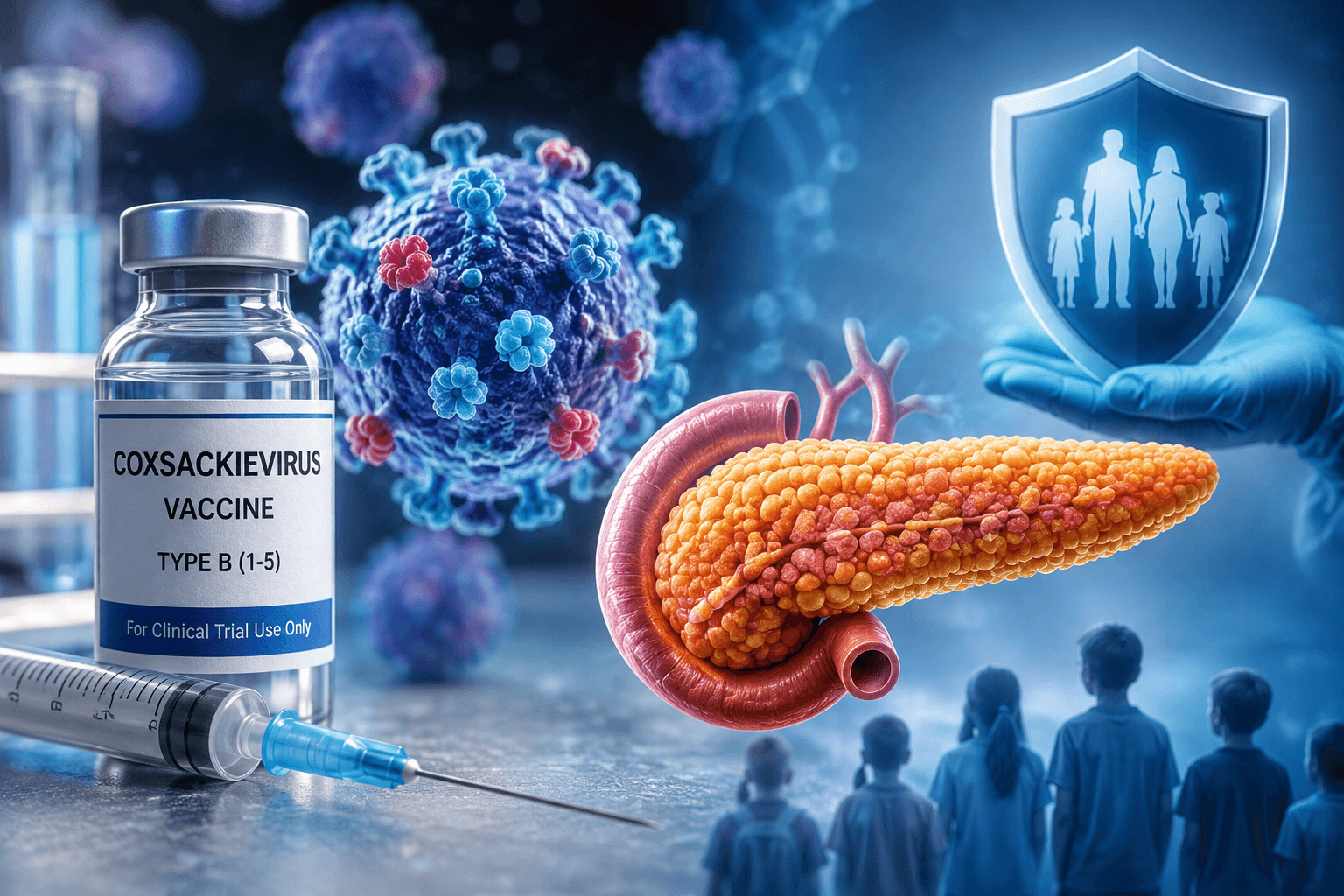
Could preventing a common viral infection also prevent some cases of type 1 diabetes? Researchers have pursued that question for decades, and the first human vaccine studies are providing important clues. The idea of using a Coxsackievirus vaccine to help prevent type 1 diabetes focuses on certain Coxsackie B viruses, …
Read More »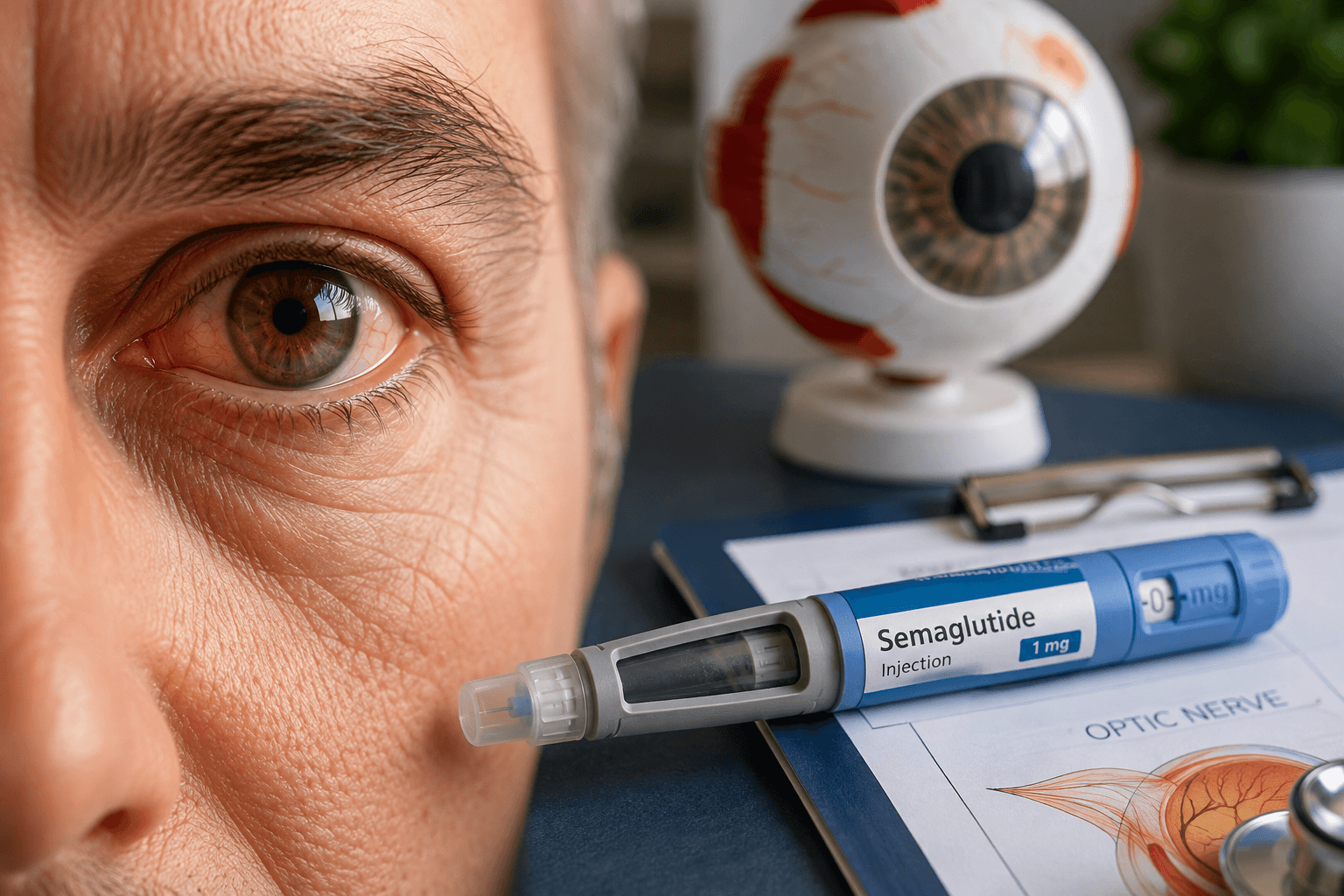
GLP-1 receptor agonists have transformed type 2 diabetes and obesity treatment, but a rare vision safety signal deserves clinicians’ attention. Emerging evidence has raised concerns about a potential NAION risk with GLP-1 therapy, particularly with semaglutide (Ozempic, Rybelsus, and Wegovy). Non-arteritic anterior ischemic optic neuropathy (NAION) can cause sudden, usually …
Read More »
Diabetes affects far more than blood sugar. In fact, the earliest stages of diabetic retinal disease may begin years before an eye doctor can see the classic signs of diabetic retinopathy during a routine examination. Imagine a smoke detector that alerts you before you ever see flames. That is the …
Read More »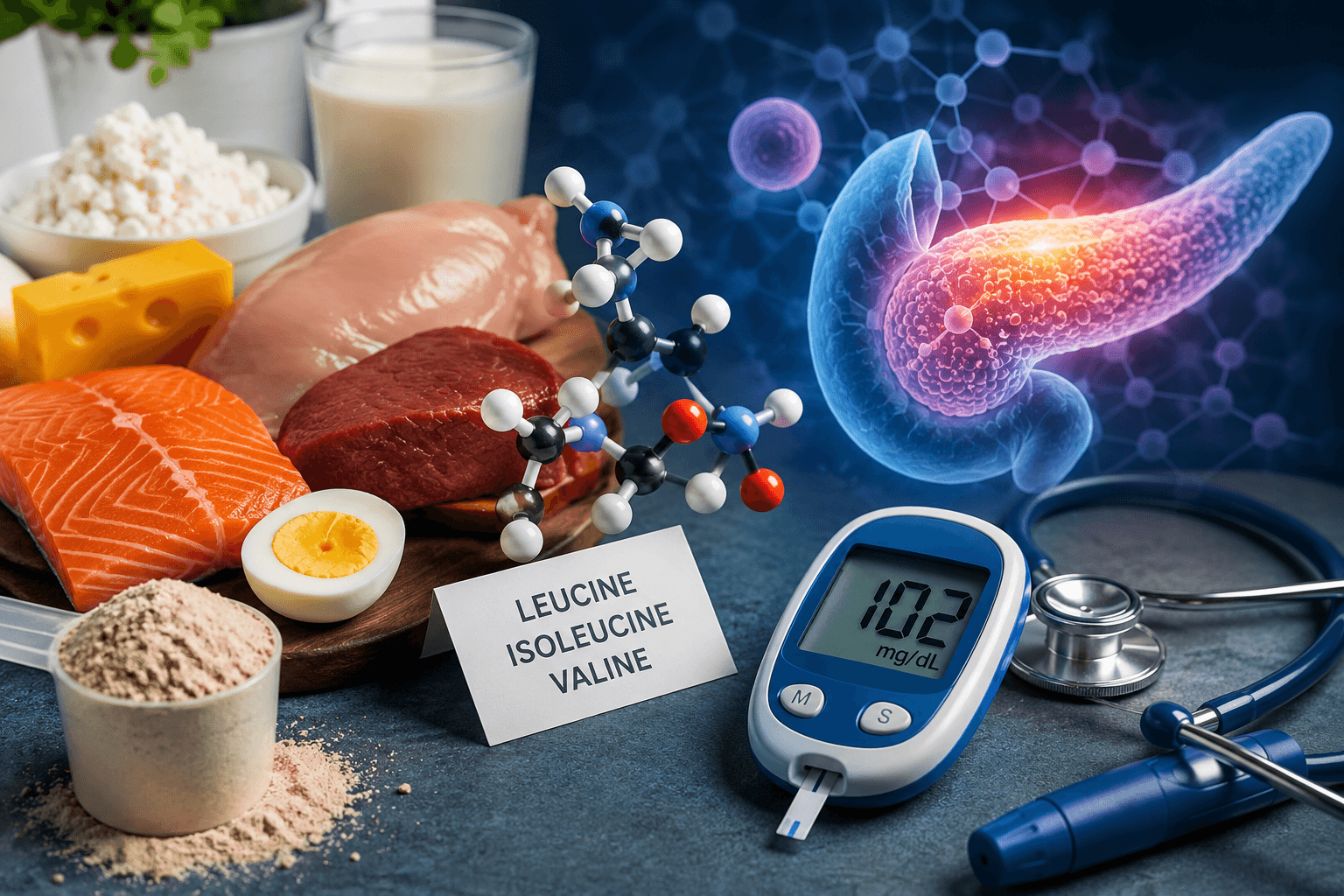
New research is changing the conversation around protein and metabolic health. For years, high-protein diets have been praised for supporting weight loss, preserving muscle, and improving blood sugar control. However, scientists are now discovering that the story may be more complex. Rather than blaming protein itself, researchers are focusing on …
Read More »
When a person develops diabetes at a young age, is not overweight, and has several family members with the condition, is it really type 2 diabetes? In many cases, the answer may be no. A growing body of evidence suggests that thousands of people worldwide are living with HNF1A-MODY, a …
Read More »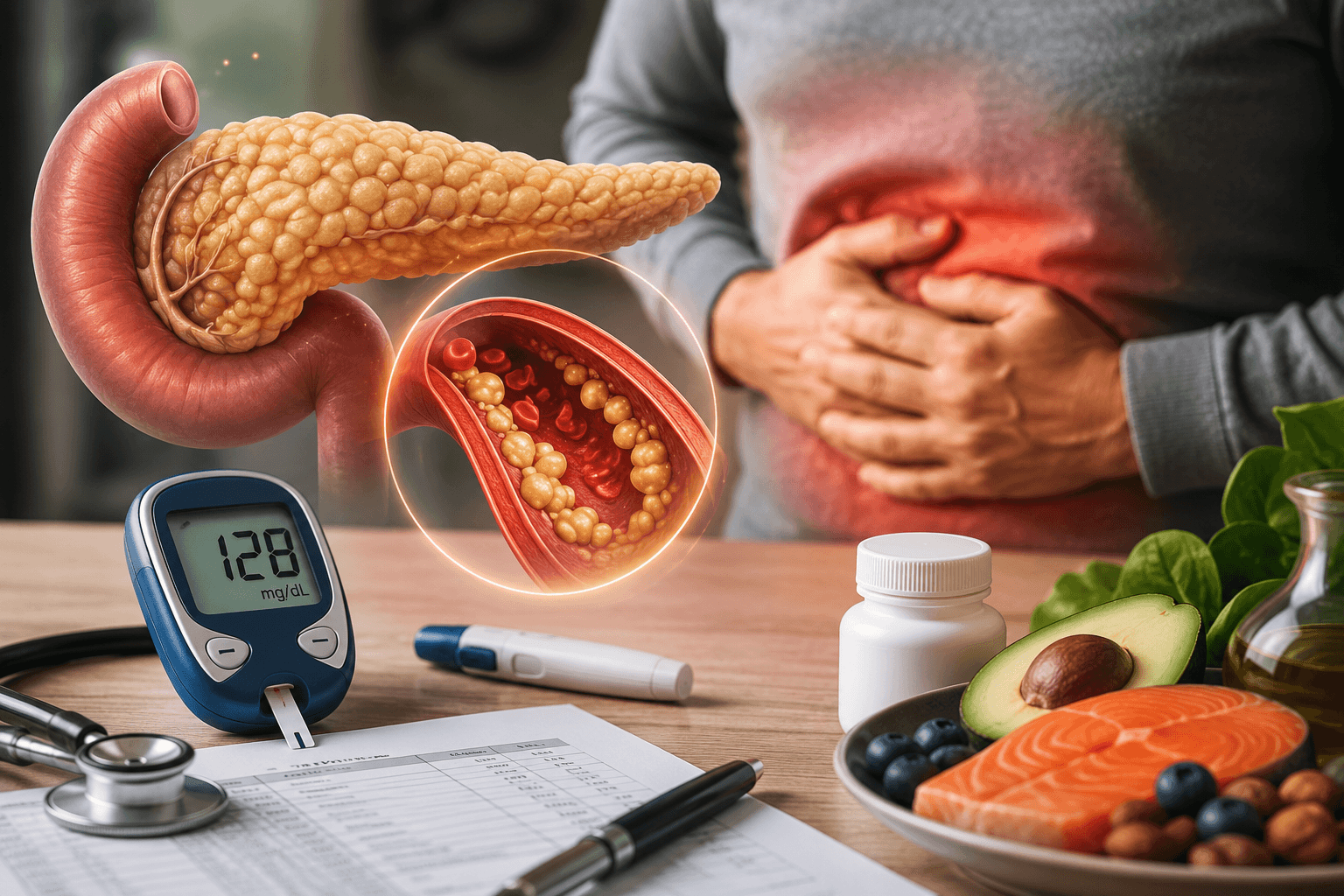
People with diabetes often focus on blood sugar, A1C, and cholesterol. However, very high triglyceride levels deserve just as much attention because they can trigger acute pancreatitis, a painful and potentially life-threatening condition. The connection between diabetes, high triglycerides, and pancreatitis is especially important because severe hypertriglyceridemia can develop silently …
Read More »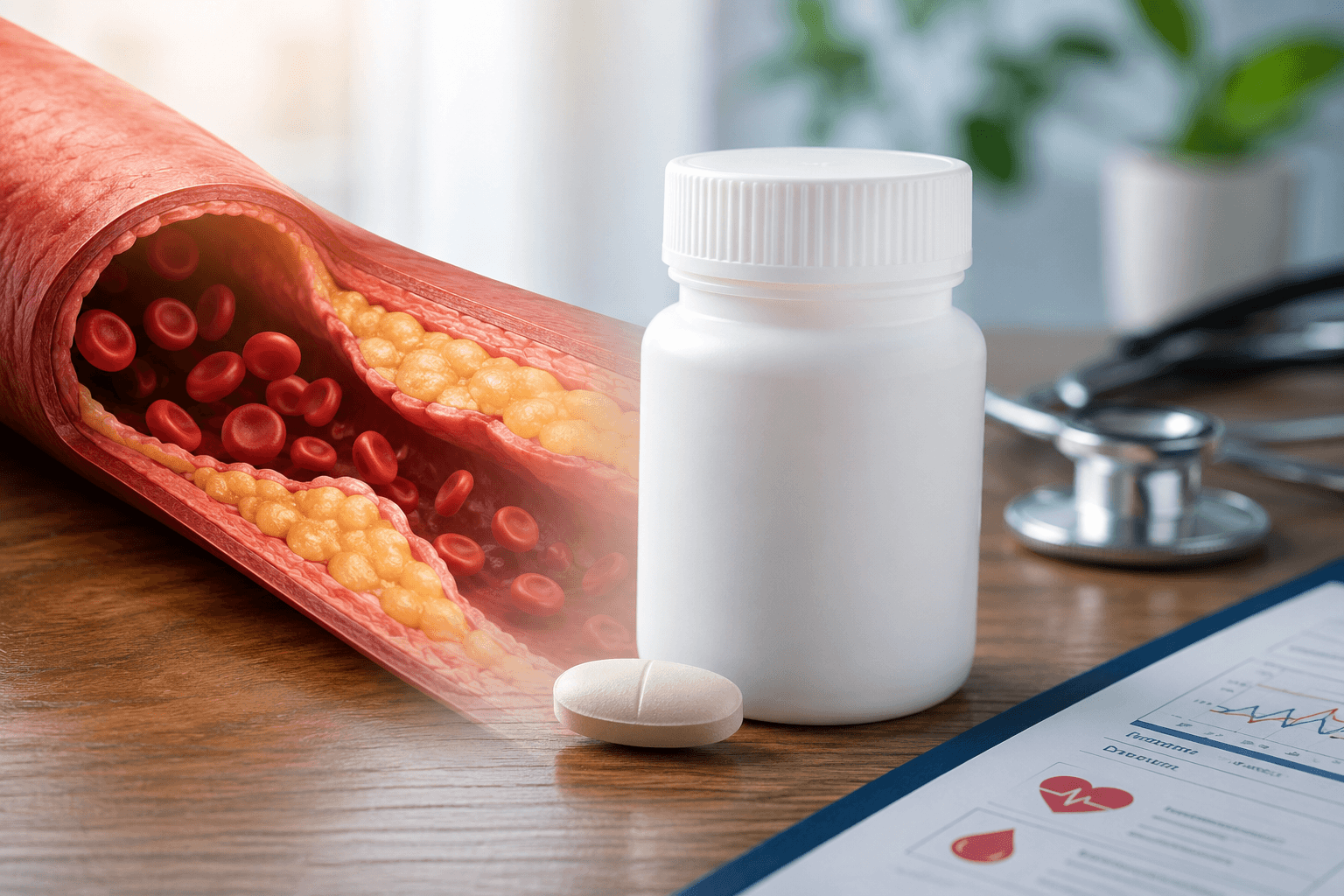
For many people with diabetes, lowering LDL cholesterol is just as important as controlling blood sugar. However, not everyone reaches their cholesterol goals with statins alone, and injectable PCSK9 inhibitors can be inconvenient or intimidating. Now, a new option has arrived. The FDA has approved the first oral PCSK9 inhibitor, …
Read More »