Jul 21, 2026
Articles, Blood Glucose Control, Blood Glucose Control, Type 1 Diabetes, Type 1 Diabetes
1,182 views
Receiving a diagnosis of type 1 diabetes can feel overwhelming. Yet for many adults, the weeks or months that follow bring an unexpected twist. Blood glucose levels often become easier to control, insulin needs decrease, and some people wonder if their diabetes is actually improving. This temporary period is known …
Read More »
Jul 20, 2026
Articles, Blood Glucose Control, Blood Glucose Control, Diabetes, Type 2 Diabetes, Type 2 Diabetes
1,426 views
Night-shift work keeps hospitals, factories, transportation systems, and emergency services running around the clock. However, while society benefits from overnight workers, their metabolic health often pays the price. Recent continuous glucose monitoring (CGM) studies have shown that shift work is strongly associated with greater glycemic variability in people with diabetes, …
Read More »
Jul 15, 2026
Articles, Blood Glucose Control, Diabetes, Exercise, Physical Activity, Type 2 Diabetes, Type 2 Diabetes
2,107 views
For years, diabetes care has emphasized one simple message: exercise regularly. While that advice remains essential, researchers are now asking a more specific question. Could when you exercise be just as important as how much you exercise? Emerging evidence suggests the answer may be yes. The growing field of chronotherapy, …
Read More »
Jul 15, 2026
Articles, Blood Glucose Control, Blood Glucose Control, Devices, Diabetes
1,442 views
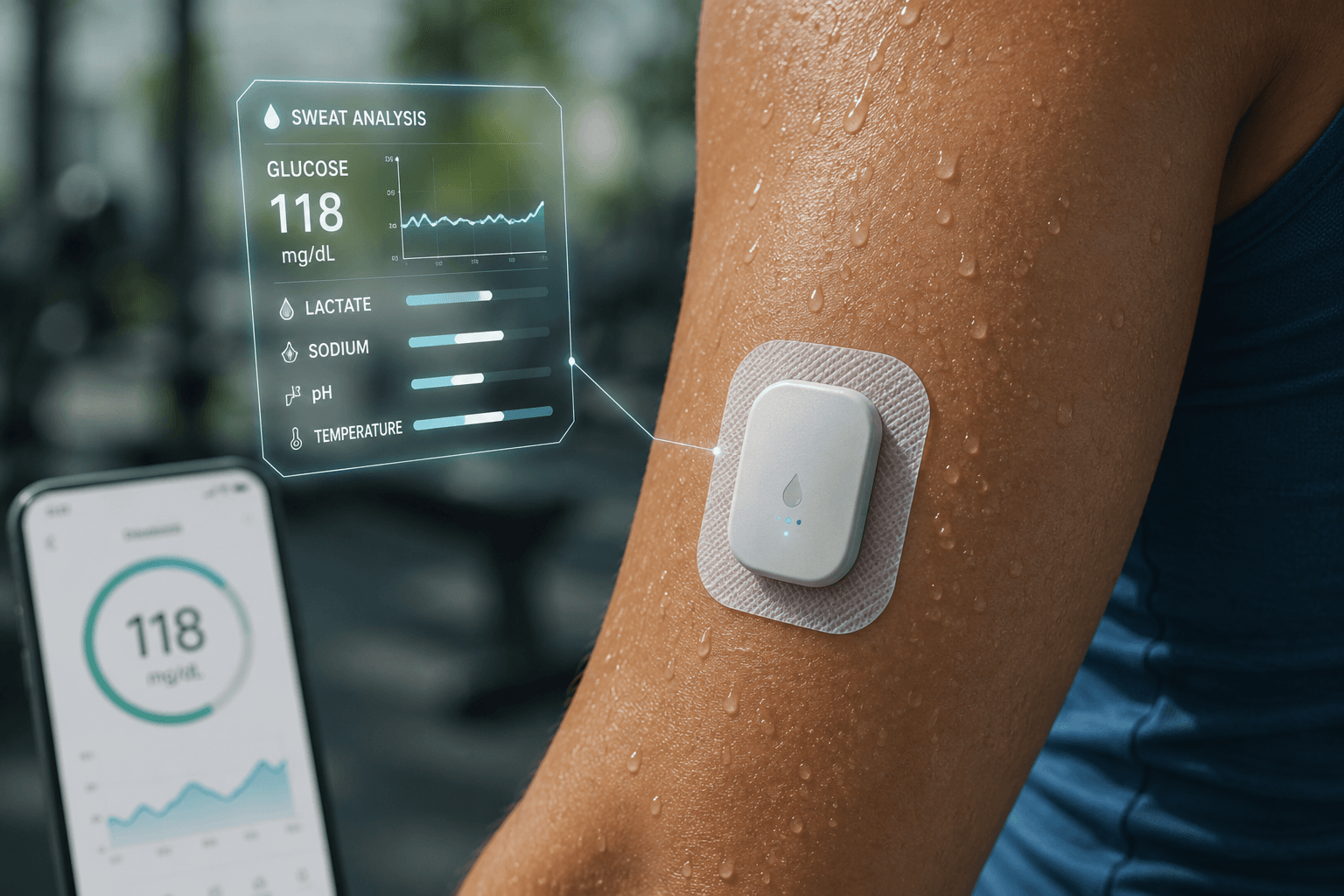
For millions of people living with diabetes, checking blood sugar remains a daily routine that often involves fingersticks or wearing a continuous glucose monitor (CGM) with a tiny sensor inserted beneath the skin. Although CGMs have dramatically improved diabetes management, many people still hope for a truly needle-free alternative. That …
Read More »
Jul 13, 2026
Articles, Blood Glucose Control, Blood Glucose Control, Diabetes, Type 2 Diabetes, Type 2 Diabetes
1,055 views
Managing diabetes has never offered more therapeutic options. Continuous glucose monitors (CGMs), automated insulin delivery systems, GLP-1 receptor agonists, SGLT2 inhibitors, and individualized treatment plans have transformed patient care. Yet despite these advances, many people with diabetes continue to struggle, not because treatments are ineffective, but because the overall workload …
Read More »
Jul 9, 2026
Articles, Blood Glucose Control, Blood Glucose Control, Diabetes, Type 1 Diabetes, Type 1 Diabetes, Type 2 Diabetes, Type 2 Diabetes
1,841 views
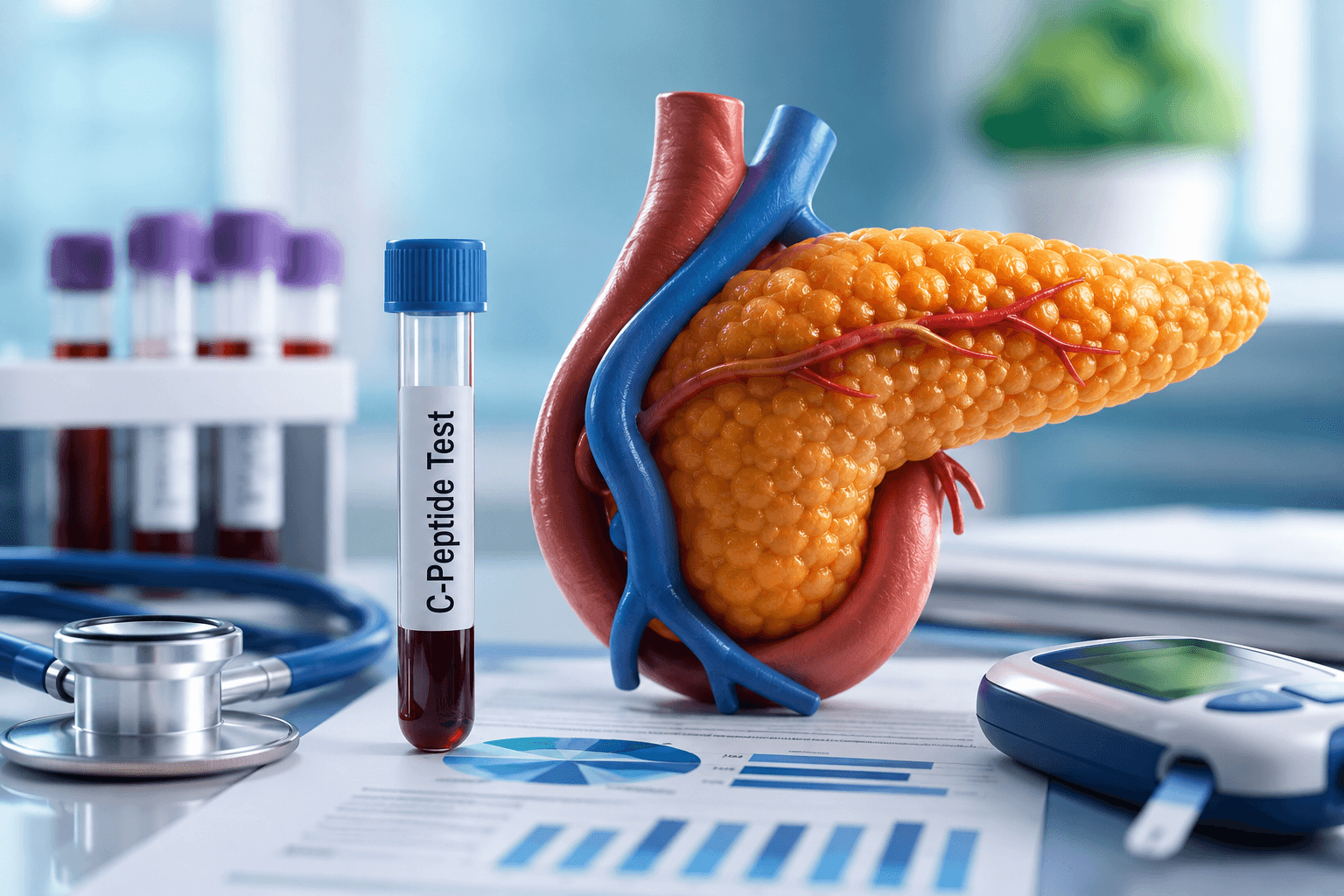
For many years, C-peptide testing was viewed as a simple tool to distinguish type 1 diabetes from type 2 diabetes. However, the story has changed. As researchers gain a better understanding of pancreatic beta-cell function, C-peptide testing in diabetes has become much more valuable than a diagnostic aid alone. Today, …
Read More »
Jul 6, 2026
Articles, Blood Glucose Control, Blood Glucose Control, Devices, Diabetes, Women's Health
1,087 views
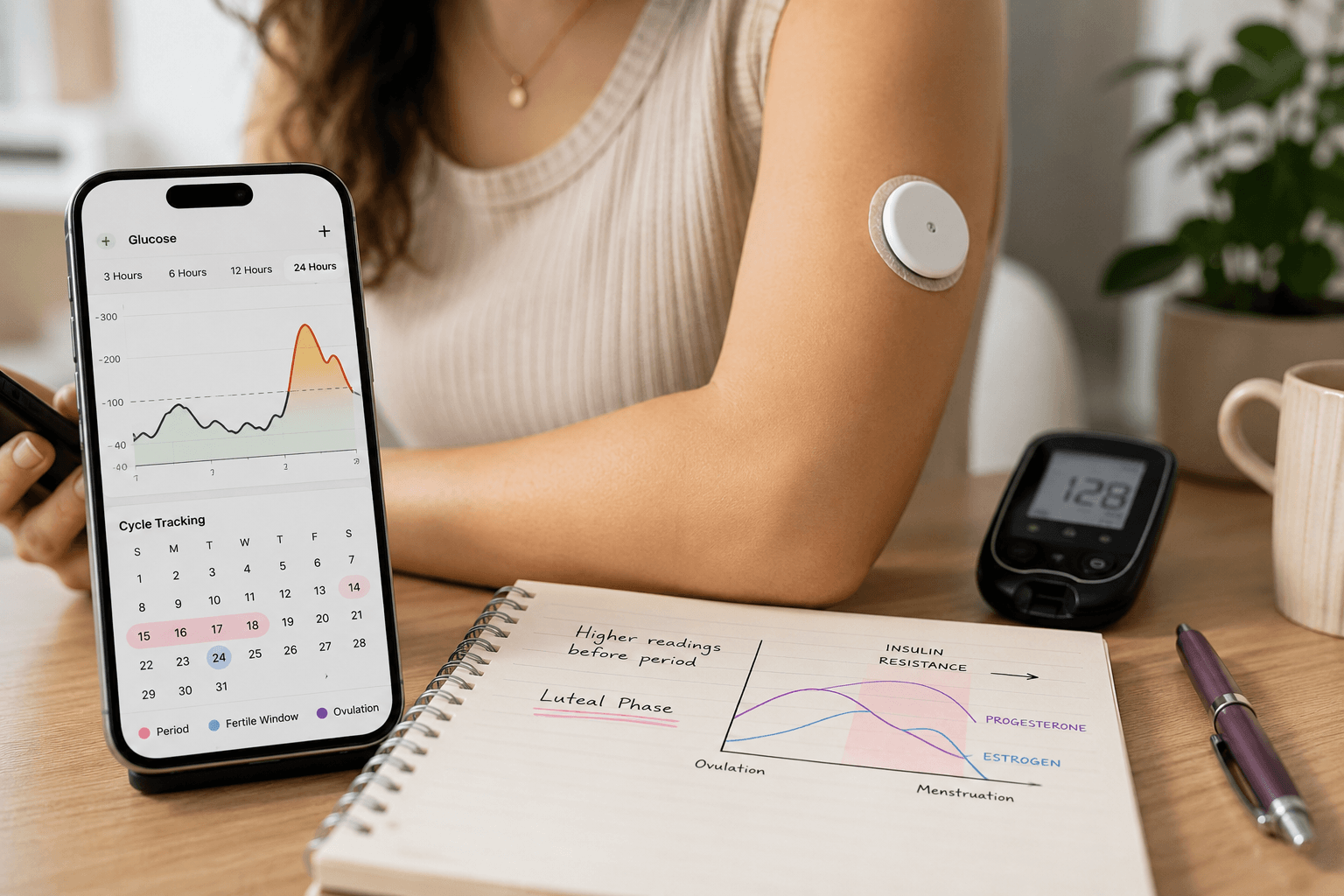
Many women with diabetes notice that blood sugar levels become harder to control during certain weeks of the month. Despite eating the same meals, taking the same insulin doses, and maintaining consistent activity levels, glucose readings may suddenly climb. This recurring pattern is often linked to luteal phase insulin resistance, …
Read More »
Jul 3, 2026
Articles, Blood Glucose Control, Diabetes
1,931 views
Hospital glucose management has long relied on reactive treatment strategies, especially sliding-scale insulin protocols that respond to blood glucose after it has already risen. While this approach remains common, healthcare systems are increasingly exploring AI solutions for inpatient diabetes care that predict glucose changes before they become dangerous. Instead of …
Read More »
Jul 2, 2026
Articles, Blood Glucose Control, Blood Glucose Control, Diabetes, Insulin Therapy Center, Therapies, Type 1 Diabetes, Type 1 Diabetes, Type 2 Diabetes, Type 2 Diabetes
2,513 views
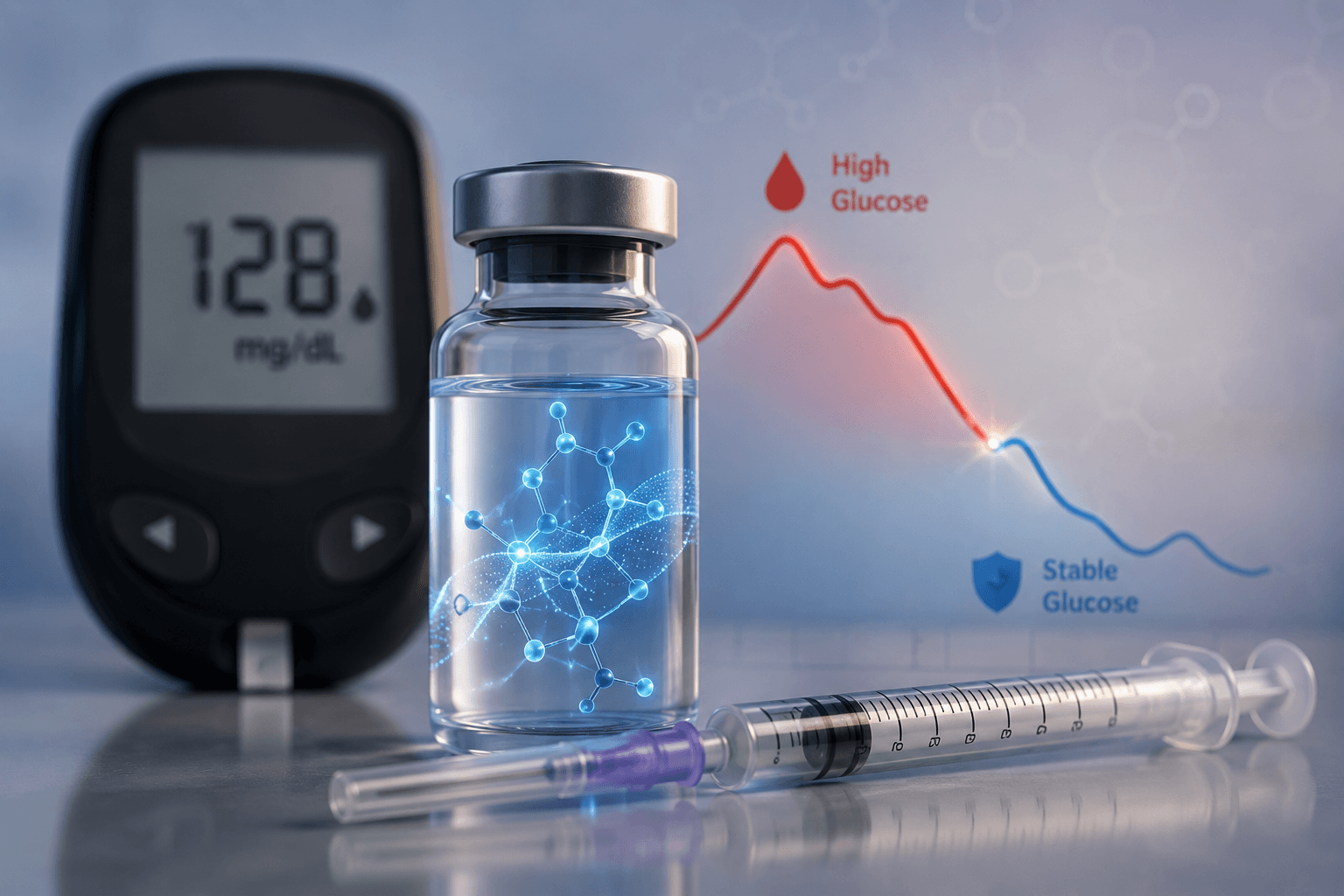
For more than a century, insulin has saved millions of lives. Yet despite remarkable advances in diabetes technology, one major challenge remains: preventing hypoglycemia while maintaining excellent glucose control. That is why researchers are developing glucose-responsive insulin, often called “smart” insulin. Instead of delivering a fixed amount of insulin regardless …
Read More »
Jul 1, 2026
Articles, Blood Glucose Control, Blood Glucose Control, Devices, Diabetes, Exercise, Physical Activity
2,477 views
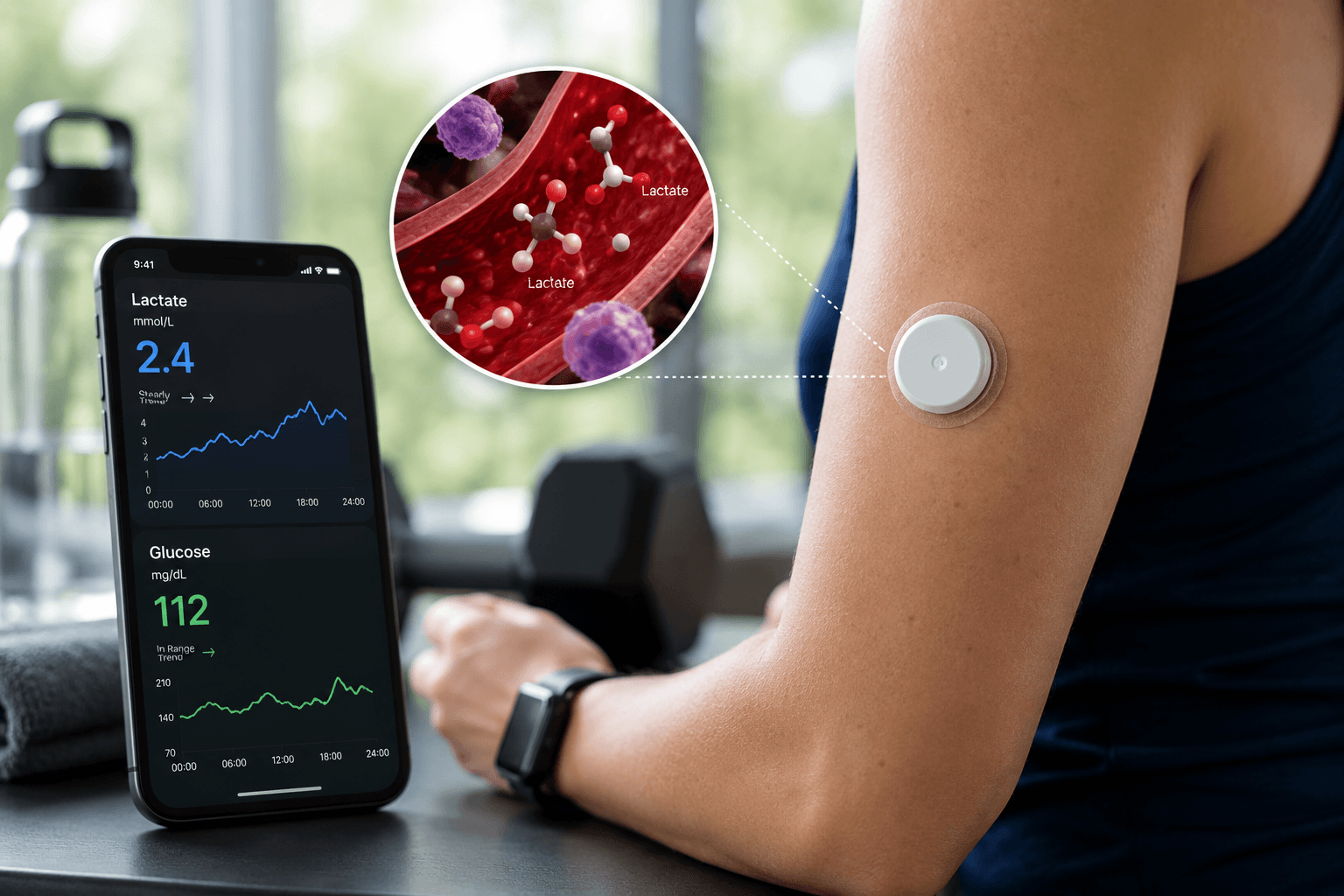
Continuous glucose monitoring (CGM) has fundamentally changed diabetes management by giving patients and clinicians access to real-time glucose data. As a result, treatment decisions have become more precise, and many people with diabetes now spend more time within their target glucose range. However, glucose represents only one part of the …
Read More »
 Diabetes In Control. A free weekly diabetes newsletter for Medical Professionals. News and information for Medical Professionals.