3 days ago
Articles, Devices, Diabetes, Neurology, Neuropathy & Pain, Therapies
906 views
For people with painful diabetic neuropathy (PDN), treatment has traditionally focused on controlling burning, stabbing, and shooting pain. However, emerging research on spinal cord stimulation for diabetic neuropathy raises a more intriguing question: Could neuromodulation also improve sensation? Results from the SENZA-PDN clinical trial suggest that some patients receiving high-frequency …
Read More »
Jul 27, 2026
Articles, Blood Glucose Control, Blood Glucose Control, Diabetes, Nephrology, Neurology, Ophthalmology, Prevention, Type 2 Diabetes, Type 2 Diabetes
1,377 views
Diabetes is known for raising blood sugar levels, but its long-term complications often have the greatest impact on health. Kidney disease, vision loss, nerve damage, and cardiovascular disease affect millions of people living with diabetes. For years, researchers focused on inflammation, oxidative stress, and poor circulation to explain these complications. …
Read More »
Jun 23, 2026
Articles, Diabetes, Mental Health, Neurology, Type 2 Diabetes, Type 2 Diabetes
4,108 views
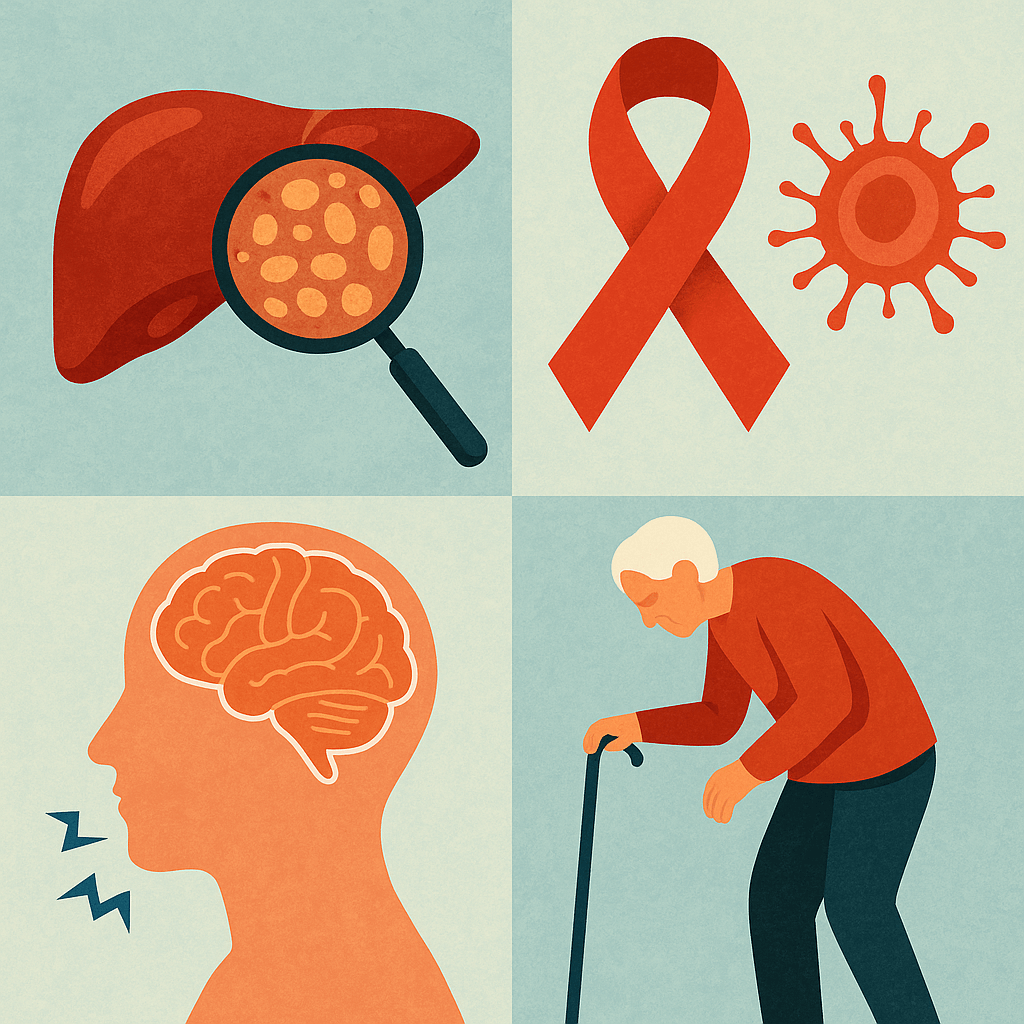
For decades, diabetes care has focused on preventing complications such as retinopathy, nephropathy, neuropathy, and cardiovascular disease. Yet another complication may be developing much earlier and often without obvious symptoms: diabetes-related cognitive decline. While memory loss and dementia have traditionally been viewed as concerns of older age, growing evidence suggests …
Read More »
Jun 10, 2026
Articles, Diabetes, Neurology, Neuropathy & Pain, Type 2 Diabetes, Type 2 Diabetes
1,728 views
For many people living with diabetes, complications such as retinopathy, nephropathy, and neuropathy are well-recognized concerns. However, growing evidence suggests that hearing loss may deserve a place on that list as well. Researchers are increasingly examining whether hearing loss reflects the same vascular and neurologic damage that contributes to complications …
Read More »
May 8, 2026
Alzheimer's, Articles, Diabetes, GLP- 1 Agonist Therapy Center, GLP-1 Agonist Therapy Center, Neurology, Therapies, Type 2 Diabetes, Type 2 Diabetes
5,194 views
What if a medication designed to lower blood sugar could also help protect the brain? That question is driving growing interest among researchers studying the connection between GLP-1 drugs and Parkinson’s disease. Scientists are now exploring whether therapies originally developed for type 2 diabetes and obesity may influence inflammation, neuronal …
Read More »
Jan 9, 2026
Alzheimers, Articles, Neurology, Type 2 Diabetes, Type 2 Diabetes
1,276 views
Glucagon‑like peptide‑1 (GLP‑1) receptor agonists have revolutionized type 2 diabetes and obesity treatment—but could they also impact your brain? As headlines tout possible cognitive benefits, many patients and clinicians are asking: Can GLP‑1 drugs lower dementia risk? This article breaks down what we know so far, explains the science behind …
Read More »
Dec 11, 2025
Articles, Diabetes, Gastroenterology, Geriatric Medicine, Neurology, Oncology, Prevention, Type 2 Diabetes, Type 2 Diabetes
1,530 views
Early in training, many clinicians learn the classic “eye–kidney–foot” framework for recognizing and managing complications of diabetes. However, as science advances, the range of recognized consequences of diabetes—and opportunities for earlier intervention—continues to broaden. Today, the concept of diabetes complications screening must evolve to include conditions such as metabolic dysfunction–associated …
Read More »
Dec 3, 2025
Alzheimer's, Articles, GLP- 1 Agonist Therapy Center, Neurology, Type 2 Diabetes
1,482 views
The class of medications known as GLP-1 receptor agonists — commonly prescribed for type 2 diabetes and increasingly used for weight loss — may offer more than just metabolic benefits. Growing evidence indicates that GLP-1 drugs could play a role in protecting the brain. Could this mean a dual benefit …
Read More »
Oct 18, 2023
Blog, Neurology, Type 1 Diabetes, Type 2 Diabetes
1,360 views
Diabetic neuropathy is a type of nerve damage caused by diabetes. It is a common complication of both Type 1 and Type 2 diabetes, and can affect the autonomic, motor, and sensory nerves. It is important to understand the cause and symptoms of diabetic neuropathy as well as the comprehensive …
Read More »
Jun 30, 2020
Neurology, Paid, Type 2 Diabetes
4,142 views
Studies show that patients with type 2 diabetes are more likely to exhibit reduced cognitive function after a stroke.
Read More »
 Diabetes In Control. A free weekly diabetes newsletter for Medical Professionals. News and information for Medical Professionals.