3 weeks ago
Articles, Blood Glucose Control, Blood Glucose Control, Cardiology, Nephrology, Safety, SGLT-2 Therapy Center, Type 1 Diabetes, Type 1 Diabetes
1,824 views
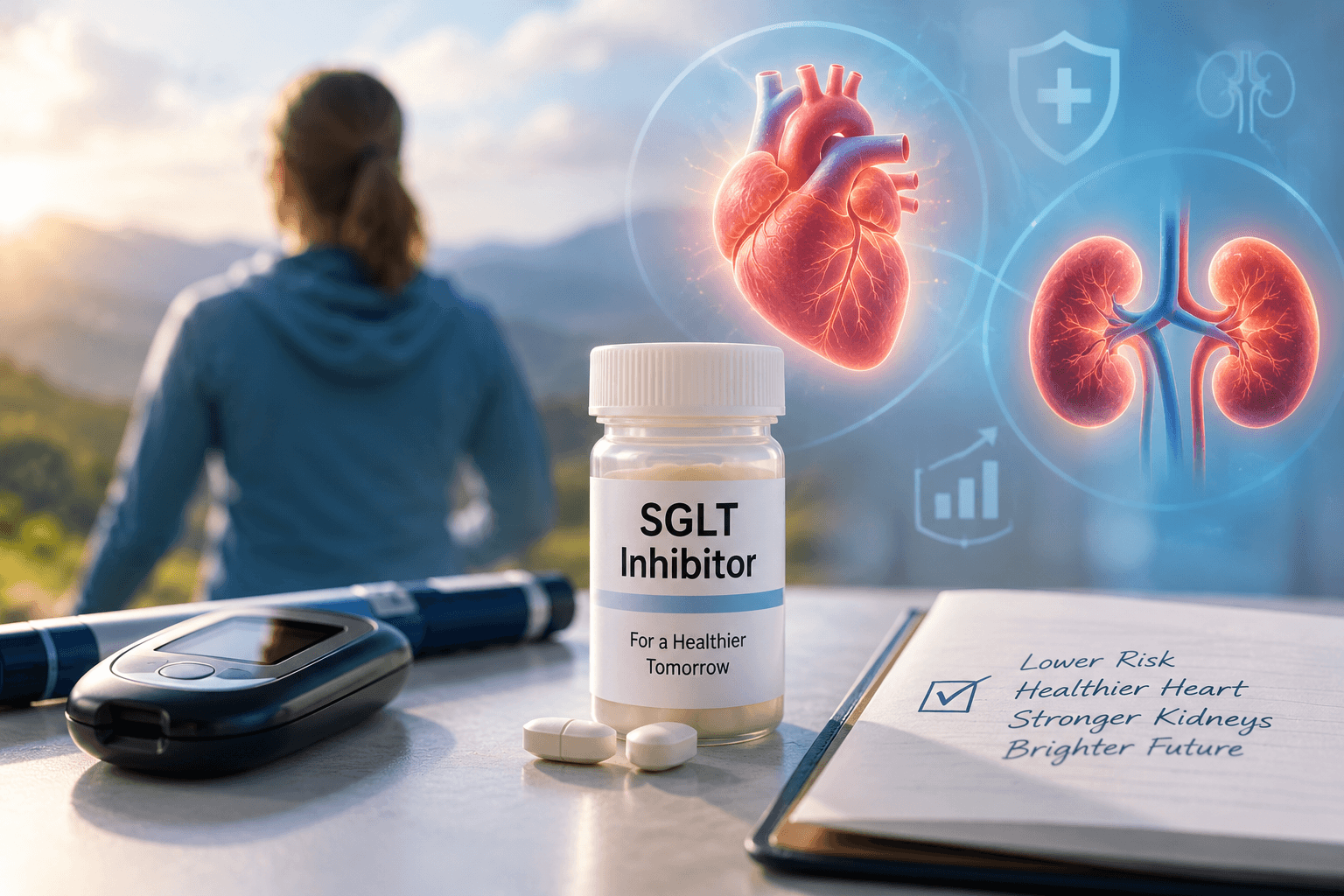
SGLT inhibitors have changed the treatment landscape for cardiovascular and kidney disease, particularly in people with type 2 diabetes, heart failure, and chronic kidney disease. That success raises an obvious question: why are SGLT inhibitors in type 1 diabetes still largely outside routine clinical practice? The answer is not a …
Read More »
3 weeks ago
Articles, Gastroenterology, GLP- 1 Agonist Therapy Center, GLP-1 Agonist Therapy Center, Neuropathy & Pain, Physician oriented, Safety, Type 2 Diabetes, Type 2 Diabetes
1,435 views
GLP-1 receptor agonists have transformed the treatment of type 2 diabetes, but their effects on gastrointestinal motility remain an important clinical consideration. Opioids can also slow gastrointestinal function, raising an obvious question: what happens when patients need both? New research examining GLP-1 and opioid interactions suggests that opioid choice may …
Read More »
Aug 31, 2026
Articles, Blood Glucose Control, Blood Glucose Control, Devices, Diabetes, Prevention, Safety, Type 1 Diabetes, Type 1 Diabetes
2,247 views
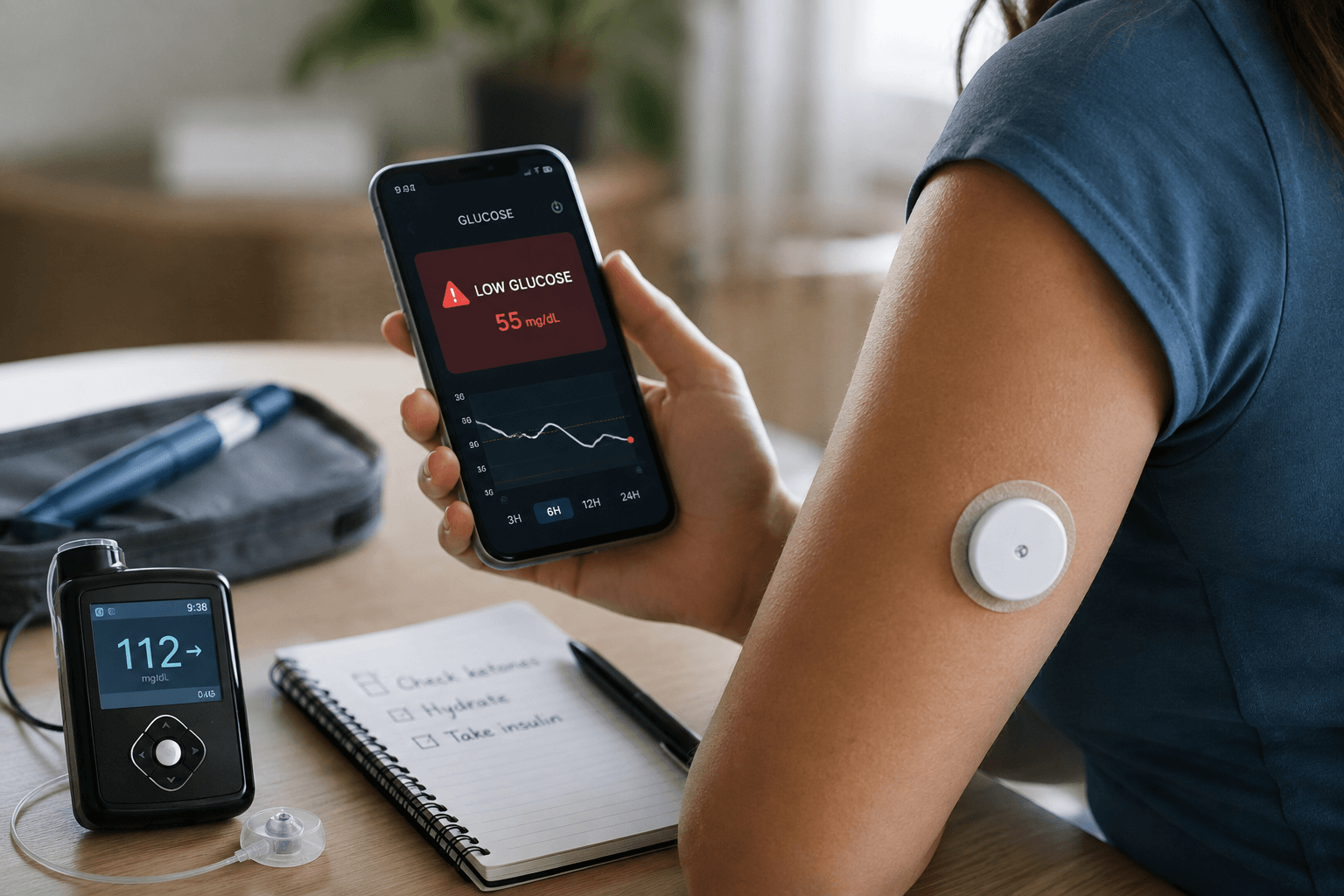
Continuous glucose monitoring has changed how clinicians and people with diabetes think about glucose control. Yet the next question is more important than whether CGM improves A1C or Time in Range. Can it prevent events that send patients to the emergency department or hospital? Growing evidence suggests that CGM may …
Read More »
Aug 25, 2026
Articles, Diabetes, GLP- 1 Agonist Therapy Center, GLP-1 Agonist Therapy Center, News, Ophthalmology, Physician oriented, Safety
2,789 views
GLP-1 receptor agonists have transformed type 2 diabetes and obesity treatment, but a rare vision safety signal deserves clinicians’ attention. Emerging evidence has raised concerns about a potential NAION risk with GLP-1 therapy, particularly with semaglutide (Ozempic, Rybelsus, and Wegovy). Non-arteritic anterior ischemic optic neuropathy (NAION) can cause sudden, usually …
Read More »
Aug 18, 2026
Articles, Blood Glucose Control, Blood Glucose Control, Diabetes, Safety, SGLT-2 Therapy Center
4,690 views
Euglycemic diabetic ketoacidosis can challenge one of the most familiar clinical shortcuts in diabetes care: DKA should come with markedly elevated glucose. In patients taking sodium-glucose cotransporter 2 (SGLT2) inhibitors, however, dangerous ketoacidosis may develop while glucose remains normal or only modestly elevated. As a result, euglycemic DKA in patients …
Read More »
Aug 18, 2026
Articles, Blood Glucose Control, Blood Glucose Control, Dermatology, Devices, Diabetes, Prevention, Safety
1,231 views
Continuous glucose monitors (CGMs) and insulin pumps can transform diabetes management, but the technology only works when patients can comfortably keep wearing it. CGM skin irritation can turn a valuable device into a daily source of itching, redness, pain, or damaged skin. In some cases, the reaction becomes severe enough …
Read More »
Jun 26, 2026
Articles, GLP- 1 Agonist Therapy Center, Obesity, Obesity, Physician oriented, Safety, Therapies
2,081 views
As demand for GLP-1 receptor agonists continues to outpace supply, many patients have turned to compounded medications obtained through telehealth companies, medical spas, wellness clinics, and compounding pharmacies. While these products may improve access for some individuals, they also introduce important clinical, regulatory, and medicolegal challenges. Providers increasingly encounter patients …
Read More »
Jun 5, 2026
Articles, Blood Glucose Control, Blood Glucose Control, Diabetes, Diet and Nutrition, Safety, Type 1 Diabetes, Type 1 Diabetes, Type 2 Diabetes, Type 2 Diabetes
5,207 views
Patients with diabetes are increasingly exploring fasting for religious, cultural, and metabolic health reasons. From Ramadan observance to intermittent fasting trends, many individuals choose to abstain from food and fluids for extended periods despite potential risks. For clinicians, this creates an important challenge. Simply advising patients not to fast often …
Read More »
Apr 14, 2026
Articles, Diabetes, GLP- 1 Agonist Therapy Center, GLP-1 Agonist Therapy Center, Safety, Type 2 Diabetes, Type 2 Diabetes
1,832 views
A proper baseline assessment for GLP-1 therapy has become a critical yet sometimes overlooked step in modern diabetes care. In fast-moving clinical environments, especially with the rise of telehealth, providers may feel pressure to initiate GLP-1 therapy quickly. However, skipping essential baseline evaluations can lead to missed risks, poor outcomes, …
Read More »
Mar 6, 2026
Articles, Blood Glucose Control, Blood Glucose Control, Diabetes, Safety, Sulfonylurea, Type 2 Diabetes, Type 2 Diabetes
4,083 views
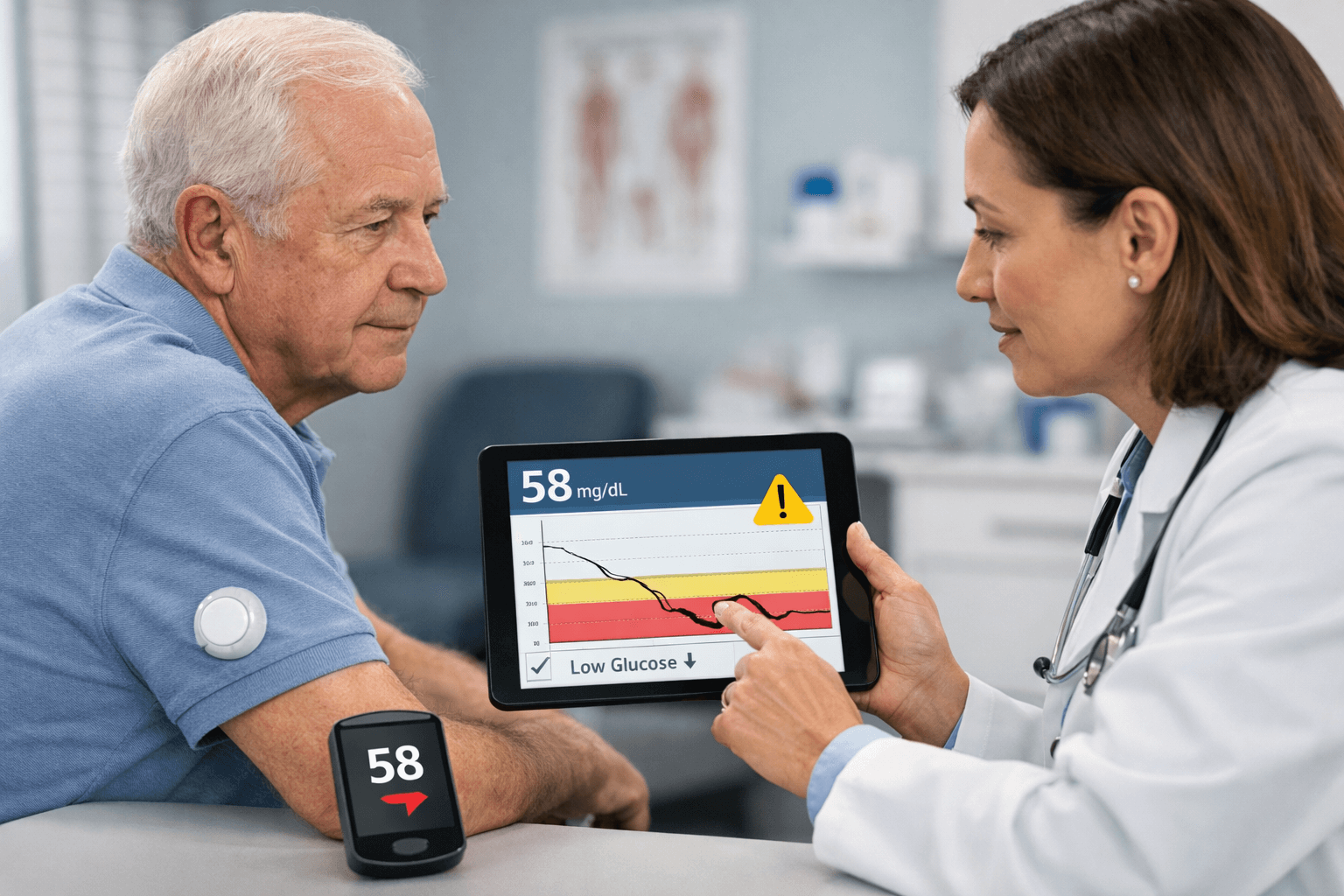
Managing the risk of hypoglycemia remains a central challenge in diabetes care, even as newer therapies lower the rate of severe events. Although GLP-1 receptor agonists and SGLT2 inhibitors have reshaped treatment strategies, insulin and sulfonylureas are still widely used, especially among older adults and patients with chronic kidney disease …
Read More »
 Diabetes In Control. A free weekly diabetes newsletter for Medical Professionals. News and information for Medical Professionals.