May 6, 2026
Articles, Blood Glucose Control, Blood Glucose Control, Diabetes, GLP- 1 Agonist Therapy Center, GLP-1 Agonist Therapy Center, Type 2 Diabetes, Type 2 Diabetes
2,163 views
Rapid glycemic improvement with GLP-1 therapy is one of the most powerful benefits of modern diabetes care, but it can also create new clinical challenges. When glucose levels drop quickly, patients may face an increased risk of hypoglycemia if other medications are not adjusted in time. So, how do clinicians …
Read More »
Apr 28, 2026
Articles, Blood Glucose Control, Diabetes, Diet & Nutrition, Diet and Nutrition, Type 2 Diabetes, Type 2 Diabetes
3,402 views
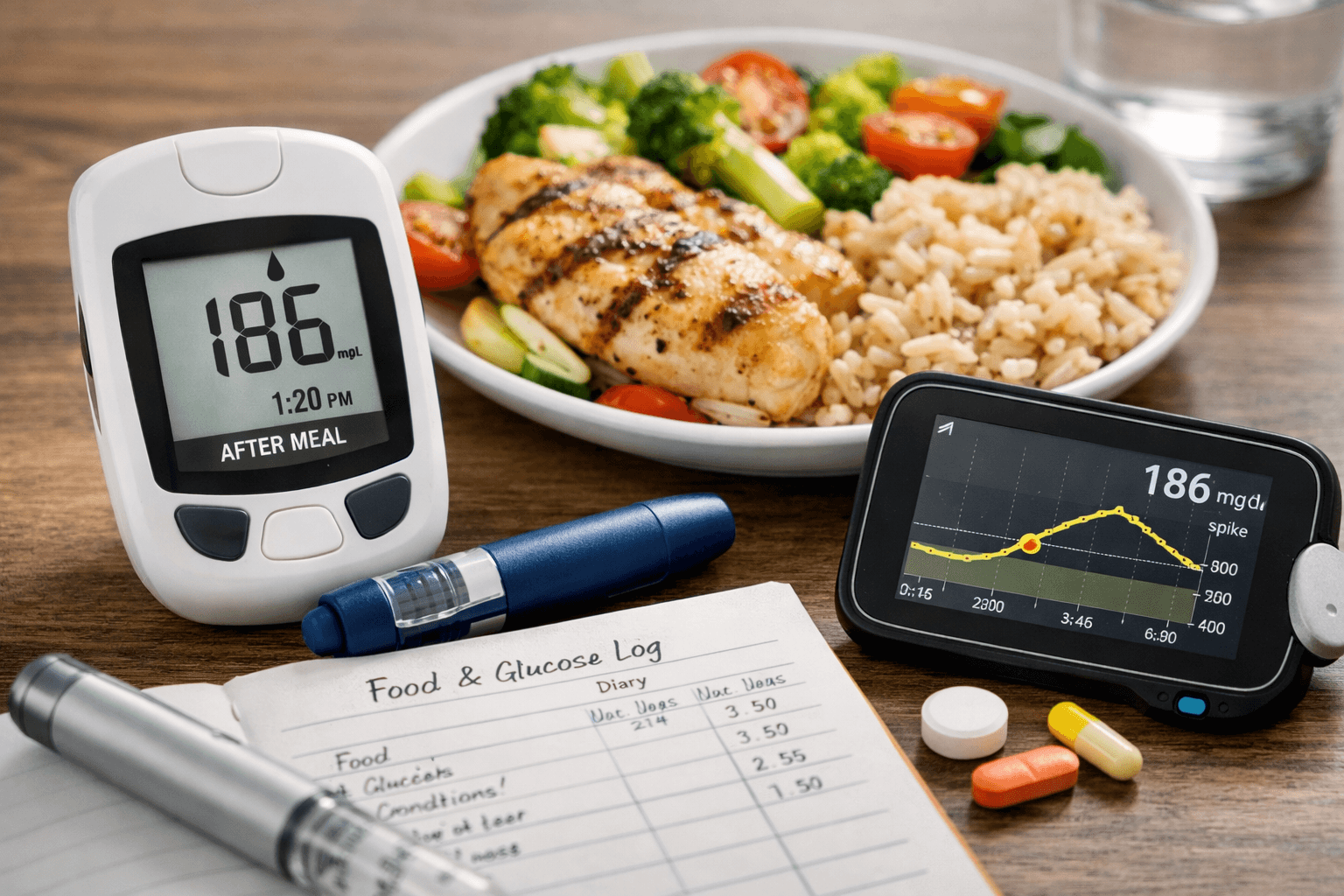
When managing diabetes, most people focus on A1C or time in range. However, what if the real opportunity lies in something more immediate and actionable? Managing post-meal blood sugar, often called postprandial glucose control, may hold the key to better outcomes. While long-term markers still matter, post-meal spikes often go …
Read More »
Apr 15, 2026
Articles, Blood Glucose Control, Blood Glucose Control, Devices, Diabetes
3,579 views
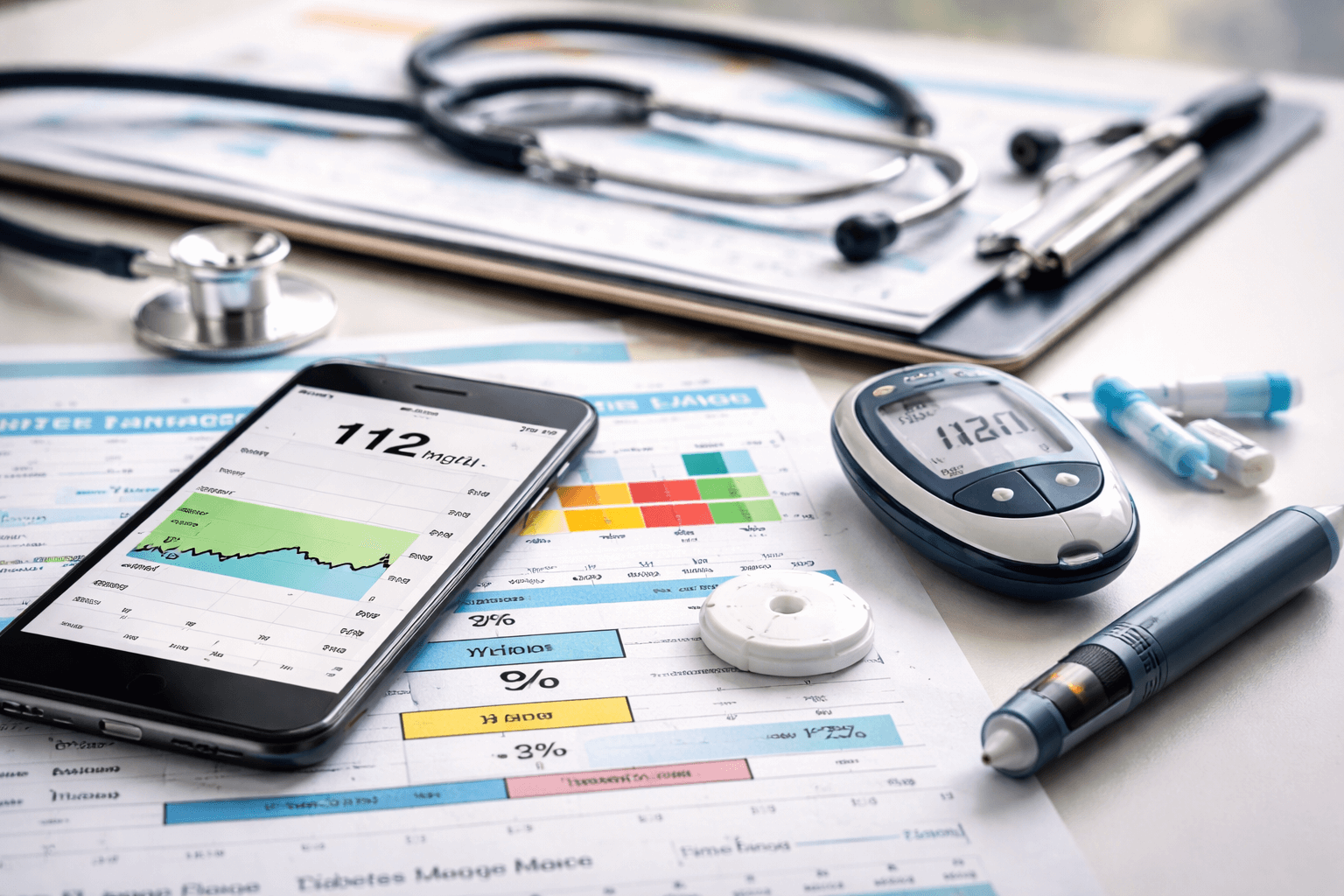
When diabetes metric discordance shows up in clinical practice, it can feel like trying to read three clocks that all tell different times. A1C suggests one story, continuous glucose monitoring points to another, and patient symptoms may not match either. So how should clinicians respond when these signals conflict? Understanding …
Read More »
Apr 13, 2026
Articles, Blood Glucose Control, Blood Glucose Control, Diabetes, GLP- 1 Agonist Therapy Center, GLP-1 Agonist Therapy Center, Type 2 Diabetes, Type 2 Diabetes
1,891 views
Disease progression in patients using GLP-1 therapies is becoming a critical topic as these medications continue to reshape diabetes care. While GLP-1 receptor agonists improve glycemic control and support weight loss, could they also be hiding deeper metabolic decline? Much like a polished surface that conceals underlying cracks, improved lab …
Read More »
Apr 9, 2026
Articles, Blood Glucose Control, Blood Glucose Control, Diabetes
2,143 views
The clinical use of time in range is changing how clinicians approach diabetes management. Instead of focusing only on A1C, many providers now rely on continuous glucose monitoring data to guide daily decisions. But how do you translate numbers into action? Think of it like a GPS for glucose control. …
Read More »
Mar 19, 2026
Articles, Blood Glucose Control, Blood Glucose Control, Diabetes, Diet and Nutrition, Type 2 Diabetes, Type 2 Diabetes
2,525 views
Have you ever wondered why the same meal can spike one person’s blood sugar but barely affect another’s? Research into precision nutrition for diabetes is helping answer that question. For years, dietary advice for diabetes followed a general template. However, growing evidence shows that individual responses to food vary widely. …
Read More »
Mar 6, 2026
Articles, Blood Glucose Control, Blood Glucose Control, Diabetes, Safety, Sulfonylurea, Type 2 Diabetes, Type 2 Diabetes
4,542 views
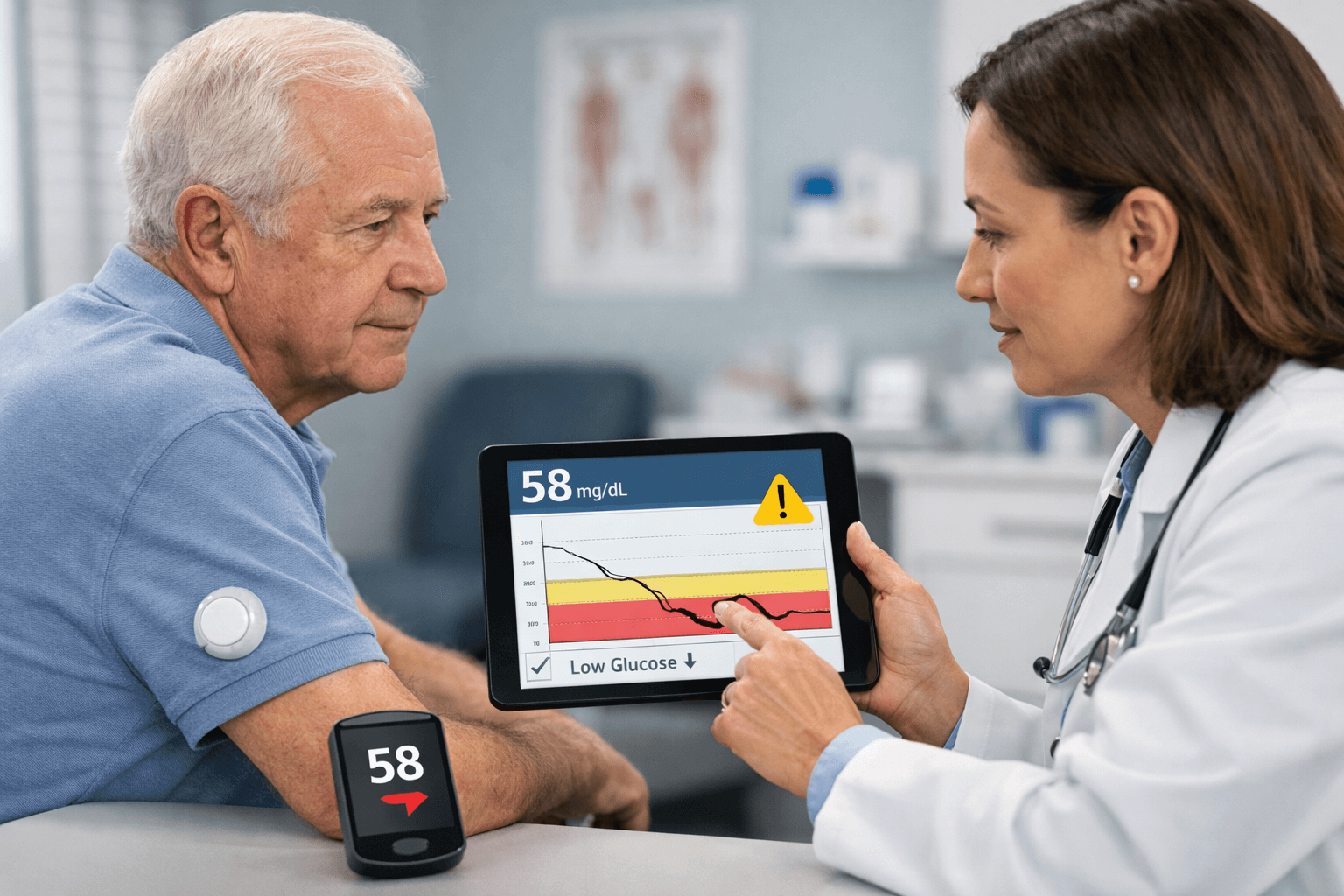
Managing the risk of hypoglycemia remains a central challenge in diabetes care, even as newer therapies lower the rate of severe events. Although GLP-1 receptor agonists and SGLT2 inhibitors have reshaped treatment strategies, insulin and sulfonylureas are still widely used, especially among older adults and patients with chronic kidney disease …
Read More »
Mar 6, 2026
Articles, Blood Glucose Control, Blood Glucose Control, Devices, Diabetes
2,781 views
Continuous glucose monitoring has transformed diabetes care, but are we fully using the data it provides? In 2026, time in range is moving beyond a simple CGM metric and becoming a formal therapeutic target in diabetes care. While A1C remains important, time in range (TIR) offers a more dynamic and …
Read More »
Feb 20, 2026
Articles, Blood Glucose Control, Blood Glucose Control, Devices, Diabetes, Type 1 Diabetes, Type 1 Diabetes, Type 2 Diabetes, Type 2 Diabetes
1,662 views
Continuous glucose monitoring was once reserved for endocrinology clinics. Today, integrating CGM into primary care is essential as guidelines recommend earlier and broader use in both type 1 and type 2 diabetes. Yet many clinicians still feel unsure about how to interpret reports or fit CGM into a busy visit. …
Read More »
Feb 4, 2026
AI-news, Articles, Blood Glucose Control, Blood Glucose Control, Devices, Diabetes, Type 2 Diabetes, Type 2 Diabetes
1,931 views
What if your next diabetes appointment started before you even walked in—an algorithm already having reviewed your CGM data, flagged risks, and drafted a care plan? That’s not science fiction. It’s the emerging reality of AI-powered workflows for diabetes care, where intelligent systems work behind the scenes to support clinicians …
Read More »
 Diabetes In Control. A free weekly diabetes newsletter for Medical Professionals. News and information for Medical Professionals.