2 days ago
Articles, Blood Glucose Control, Blood Glucose Control, Cardiology, Diabetes, Physician oriented, Prevention
3,168 views
Low potassium is usually viewed through a cardiovascular lens, especially in patients with heart failure. However, emerging evidence suggests clinicians may have another reason to pay attention. New research examining the relationship between hypokalemia and diabetes risk found that lower serum potassium levels were associated with a greater risk of …
Read More »
2 days ago
Articles, Blood Glucose Control, Blood Glucose Control, Diabetes, Physician oriented, Type 1 Diabetes, Type 1 Diabetes
829 views
When glucose numbers improve, patients are expected to feel better. Yet some people with type 1 diabetes report the opposite. A glucose level that looks reassuring on a continuous glucose monitor may leave them feeling tired, uncomfortable, or simply “off.” New research suggests that glycemic habituation may help explain this …
Read More »
4 days ago
Articles, Blood Glucose Control, Blood Glucose Control, Cardiology, Physician oriented, Type 2 Diabetes, Type 2 Diabetes
1,429 views
Could a routine blood sample someday reveal cardiovascular danger that cholesterol, blood pressure, and HbA1c do not fully capture? New research suggests that epigenetic cardiovascular risk prediction could offer a new way to identify people with type 2 diabetes who face a higher short-term risk of major cardiovascular events. Instead …
Read More »
4 days ago
Articles, Gastroenterology, GLP- 1 Agonist Therapy Center, GLP-1 Agonist Therapy Center, Neuropathy & Pain, Physician oriented, Safety, Type 2 Diabetes, Type 2 Diabetes
974 views
GLP-1 receptor agonists have transformed the treatment of type 2 diabetes, but their effects on gastrointestinal motility remain an important clinical consideration. Opioids can also slow gastrointestinal function, raising an obvious question: what happens when patients need both? New research examining GLP-1 and opioid interactions suggests that opioid choice may …
Read More »
2 weeks ago
Articles, Blood Glucose Control, Blood Glucose Control, Diabetes, Gastroenterology, Physician oriented
3,610 views
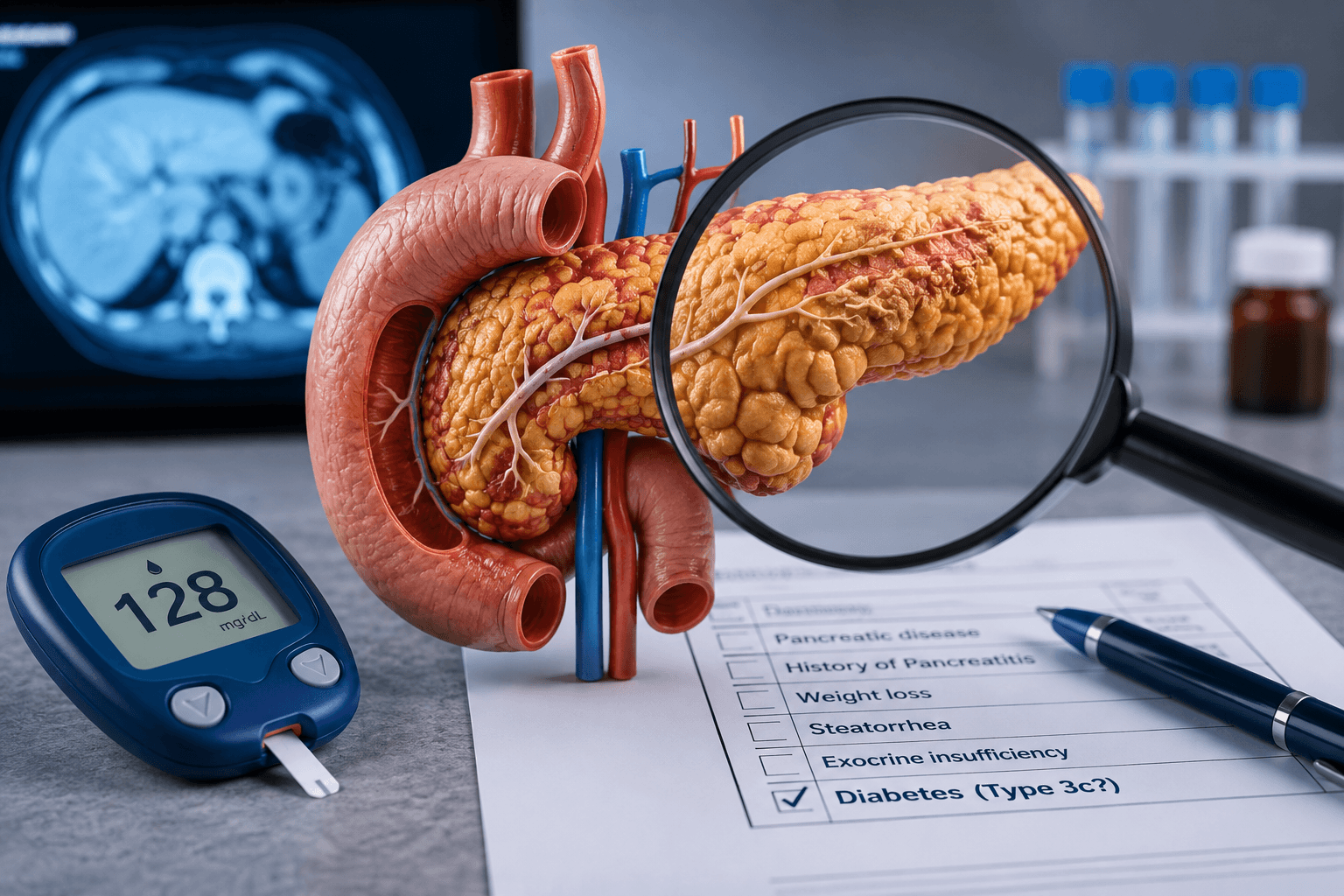
A patient develops diabetes in adulthood, so Type 2 diabetes may seem like the obvious diagnosis. However, what if that patient also has chronic pancreatitis, unexplained weight loss, pancreatic surgery, or symptoms of poor nutrient absorption? Those details can change the clinical picture. Careful evaluation can reveal Type 3c diabetes …
Read More »
2 weeks ago
Articles, Diabetes, Neuropathy & Pain, Physician oriented, Therapies
571 views
Finding the right diabetic neuropathy pain treatment can be challenging when a well-chosen first medication provides only partial relief. Burning, shooting pain, tingling, and allodynia can continue to disrupt sleep, mobility, mood, and daily function. Fortunately, clinicians do not always have to choose between abandoning a partially effective drug and …
Read More »
2 weeks ago
Articles, Blood Glucose Control, Blood Glucose Control, DPP-4 Therapy Center, Physician oriented, SGLT-2 Therapy Center, Therapies, Type 2 Diabetes, Type 2 Diabetes
1,033 views
Precision diabetes treatment aims to answer a question clinicians and patients face every day: which diabetes drug is most likely to work best for this particular person? A new analysis from the TriMaster crossover trial offers an important clue. Researchers compared several precision-medicine strategies for predicting responses to sitagliptin, canagliflozin, …
Read More »
2 weeks ago
Articles, Blood Glucose Control, Blood Glucose Control, Diabetes, Diet and Nutrition, Physician oriented, Type 2 Diabetes, Type 2 Diabetes
651 views
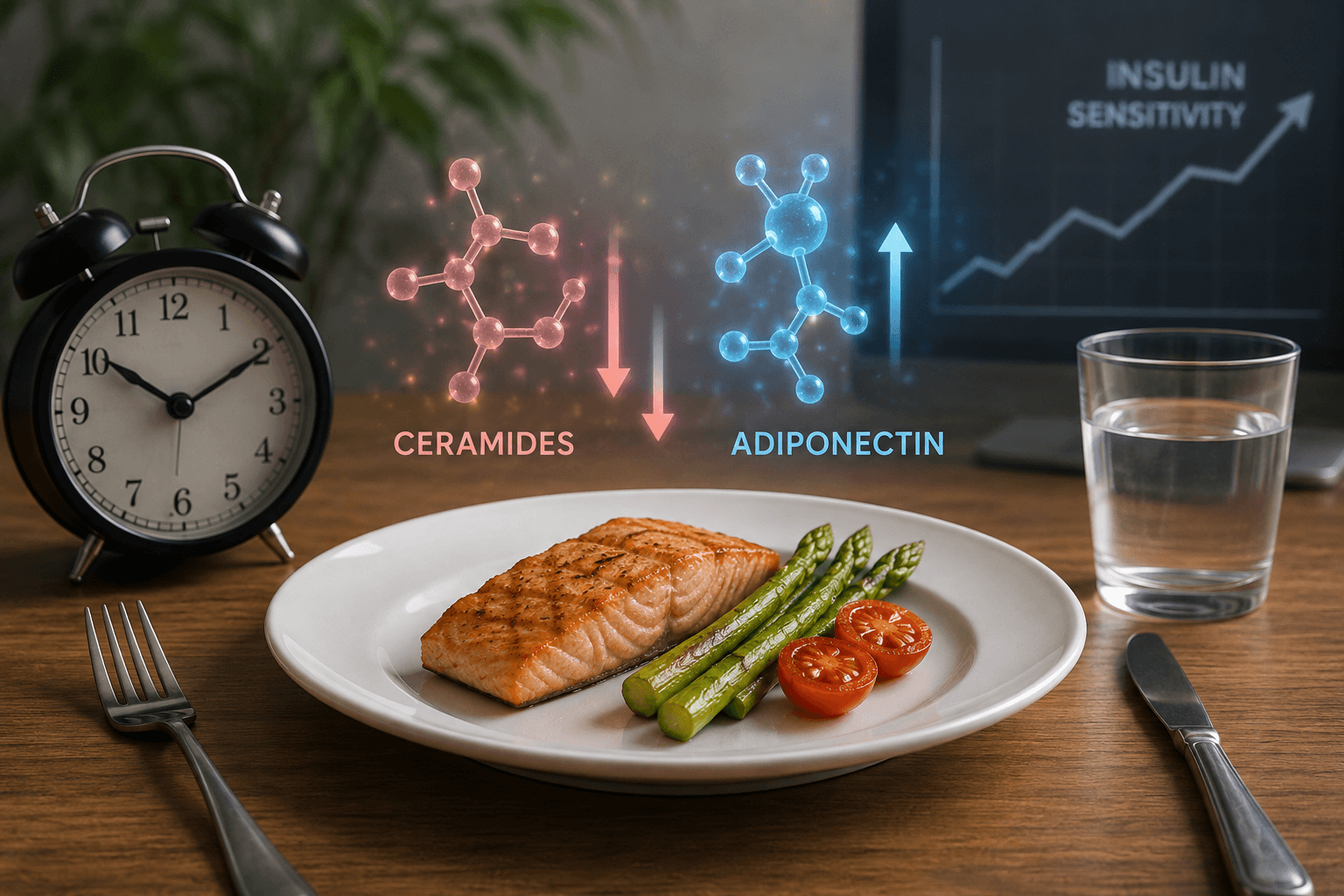
Why does eating less sometimes improve insulin sensitivity beyond what we might expect from weight loss alone? Human research points to an intriguing connection between ceramides, insulin resistance, and adiponectin. Findings from the CALERIE research program suggest that sustained, moderate calorie restriction changes circulating bioactive lipids in ways that may …
Read More »
4 weeks ago
Articles, Diabetes, GLP- 1 Agonist Therapy Center, GLP-1 Agonist Therapy Center, News, Ophthalmology, Physician oriented, Safety
2,121 views
GLP-1 receptor agonists have transformed type 2 diabetes and obesity treatment, but a rare vision safety signal deserves clinicians’ attention. Emerging evidence has raised concerns about a potential NAION risk with GLP-1 therapy, particularly with semaglutide (Ozempic, Rybelsus, and Wegovy). Non-arteritic anterior ischemic optic neuropathy (NAION) can cause sudden, usually …
Read More »
4 weeks ago
Articles, Blood Glucose Control, Blood Glucose Control, Diabetes, Physician oriented, SGLT-2 Therapy Center
561 views
For people with diabetes, an unexpected glucose spike may have a less obvious cause than food or missed medication. Dehydration and high blood sugar can create a self-reinforcing cycle. When the body loses too much fluid, glucose becomes more concentrated in the bloodstream. At the same time, rising glucose can …
Read More »
 Diabetes In Control. A free weekly diabetes newsletter for Medical Professionals. News and information for Medical Professionals.