2 weeks ago
Articles, Bone & Joint, Diabetes, Neuropathy & Pain
2,038 views
Diabetes complications are often discussed in terms of the heart, kidneys, eyes, and nerves. However, diabetes can also affect joints and connective tissue. Adhesive capsulitis, or frozen shoulder, is one diabetes-related complication that deserves more attention. It can begin with ordinary shoulder pain and gradually make simple movements surprisingly difficult. …
Read More »
3 weeks ago
Articles, Devices, Diabetes, Neurology, Neuropathy & Pain, Therapies
1,397 views
For people with painful diabetic neuropathy (PDN), treatment has traditionally focused on controlling burning, stabbing, and shooting pain. However, emerging research on spinal cord stimulation for diabetic neuropathy raises a more intriguing question: Could neuromodulation also improve sensation? Results from the SENZA-PDN clinical trial suggest that some patients receiving high-frequency …
Read More »
3 weeks ago
Articles, Gastroenterology, GLP- 1 Agonist Therapy Center, GLP-1 Agonist Therapy Center, Neuropathy & Pain, Physician oriented, Safety, Type 2 Diabetes, Type 2 Diabetes
1,435 views
GLP-1 receptor agonists have transformed the treatment of type 2 diabetes, but their effects on gastrointestinal motility remain an important clinical consideration. Opioids can also slow gastrointestinal function, raising an obvious question: what happens when patients need both? New research examining GLP-1 and opioid interactions suggests that opioid choice may …
Read More »
4 weeks ago
Articles, Bone & Joint, Diabetes, Neuropathy & Pain, Podiatry, Wound Care
8,177 views
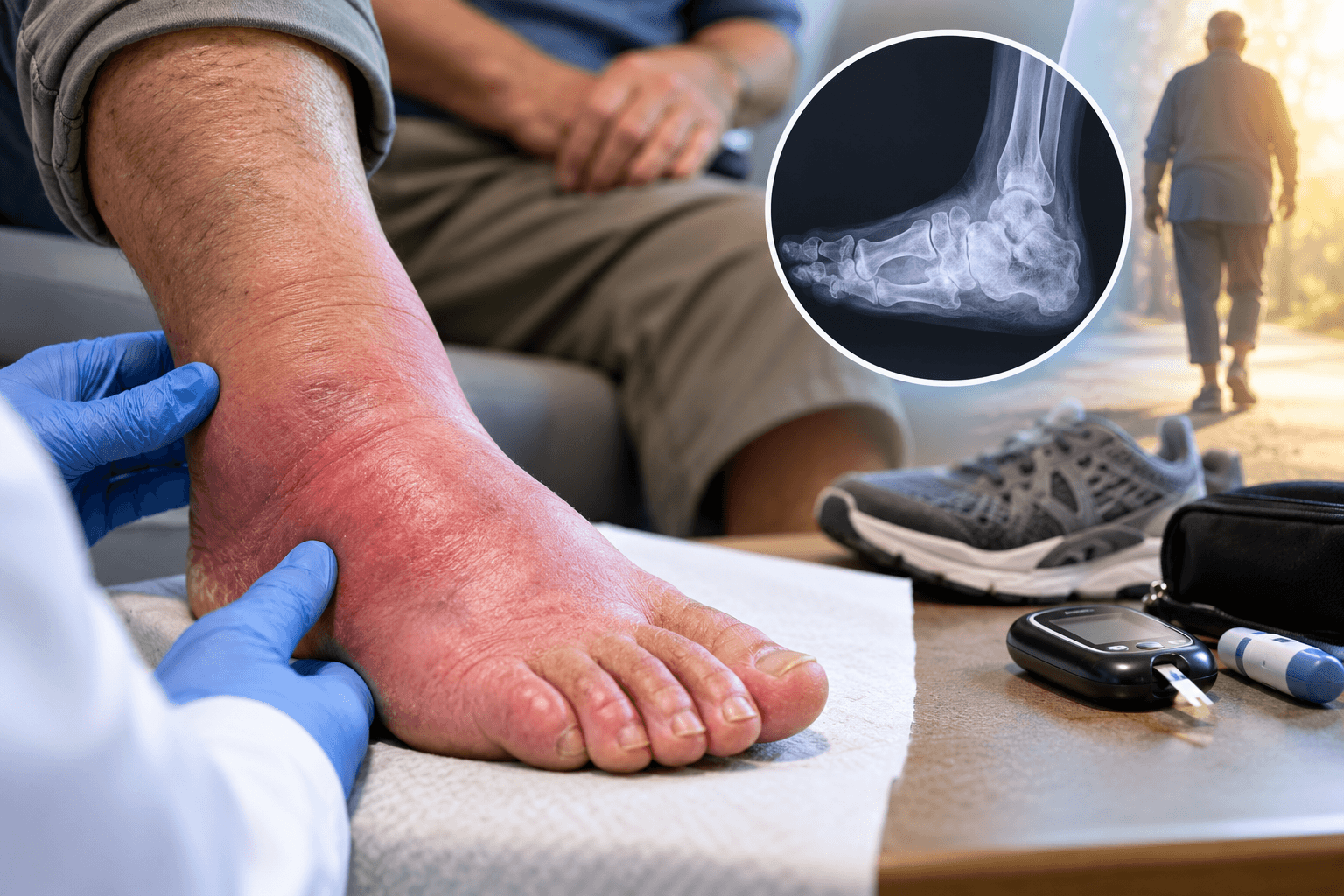
Charcot foot in diabetes can begin with a warning sign that seems almost contradictory: a foot that is hot, red, and swollen but causes surprisingly little pain. For people with diabetic peripheral neuropathy, reduced sensation may hide the severity of the problem. As a result, patients may continue walking on …
Read More »
Sep 4, 2026
Articles, Diabetes, Neuropathy & Pain, Physician oriented, Therapies
832 views
Finding the right diabetic neuropathy pain treatment can be challenging when a well-chosen first medication provides only partial relief. Burning, shooting pain, tingling, and allodynia can continue to disrupt sleep, mobility, mood, and daily function. Fortunately, clinicians do not always have to choose between abandoning a partially effective drug and …
Read More »
Aug 25, 2026
Articles, Diabetes, Neuropathy & Pain, Podiatry, Wound Care
1,595 views
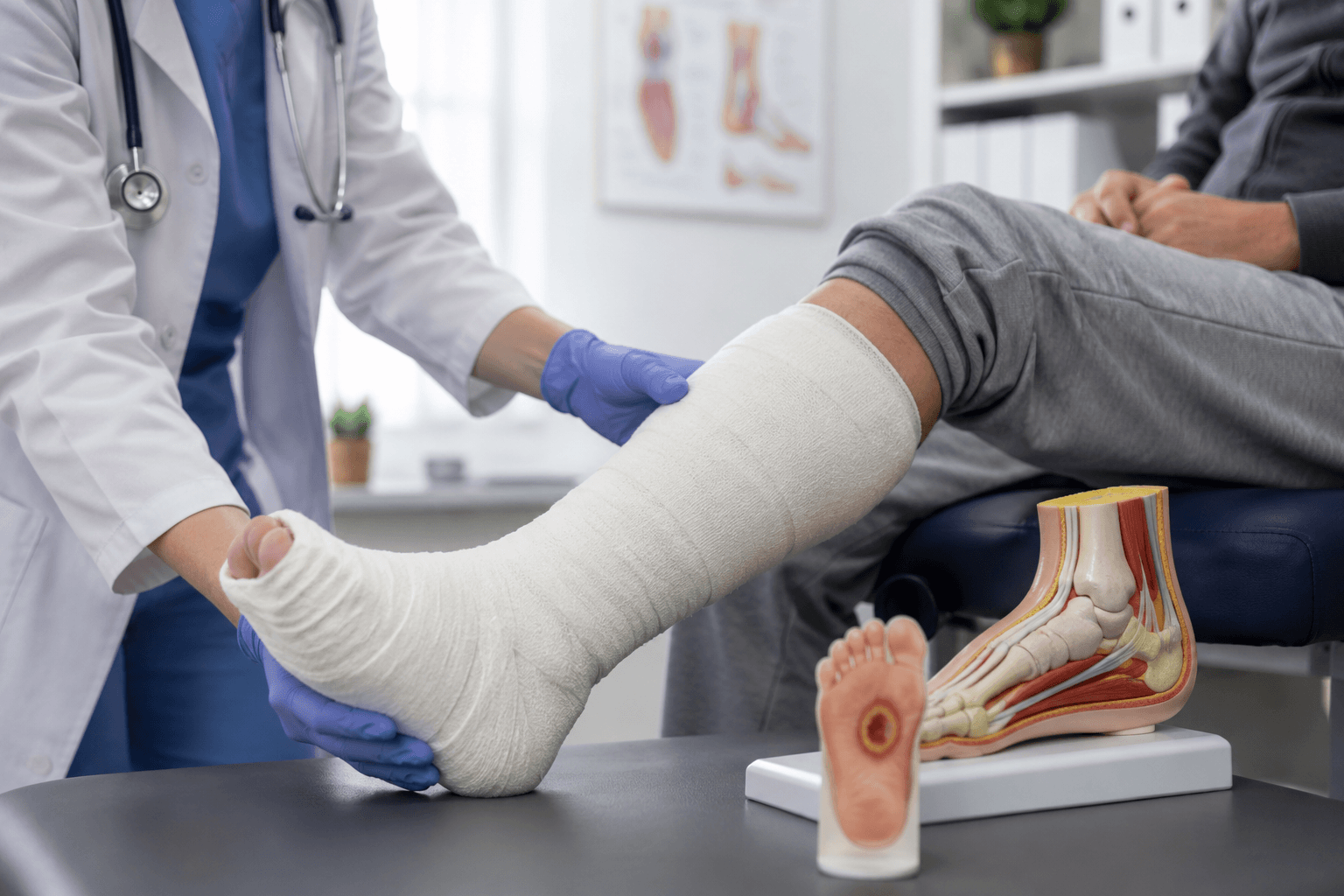
Diabetic foot ulcer offloading is one of the most important parts of treating a neuropathic plantar ulcer, yet the most effective approaches are still not routinely used. Non-removable knee-high devices, including total contact casts and non-removable walkers, can reduce damaging pressure while supporting wound healing. So why does a treatment …
Read More »
Aug 6, 2026
Articles, Cardiology, Diabetes, Neuropathy & Pain, Therapies, Type 2 Diabetes, Type 2 Diabetes
1,620 views
Diabetes care has advanced dramatically over the past decade. While therapies such as GLP-1 receptor agonists and SGLT2 inhibitors have transformed glucose management and cardiovascular outcomes, many patients continue to develop long-term complications. Could an older therapeutic target finally provide the missing piece? Interest in aldose reductase inhibitors for diabetes …
Read More »
Jul 29, 2026
Articles, Diabetes, Nephrology, Neuropathy & Pain, Type 2 Diabetes, Type 2 Diabetes
1,547 views
Early detection has always been one of the biggest challenges in diabetes care. What if doctors could identify patients at high risk for diabetic neuropathy or kidney disease years before symptoms developed? That possibility is driving exciting new research into IgG glycosylation in diabetes, an emerging area that examines subtle …
Read More »
Jun 10, 2026
Articles, Diabetes, Neurology, Neuropathy & Pain, Type 2 Diabetes, Type 2 Diabetes
1,801 views
For many people living with diabetes, complications such as retinopathy, nephropathy, and neuropathy are well-recognized concerns. However, growing evidence suggests that hearing loss may deserve a place on that list as well. Researchers are increasingly examining whether hearing loss reflects the same vascular and neurologic damage that contributes to complications …
Read More »
Jun 9, 2026
Articles, Blood Glucose Control, Blood Glucose Control, Diabetes, Gastroenterology, Neuropathy & Pain, Type 2 Diabetes, Type 2 Diabetes
2,140 views
Many people with diabetes expect complications such as retinopathy, kidney disease, or peripheral neuropathy. However, gastrointestinal symptoms often receive far less attention despite their significant impact on quality of life. Chronic constipation, bloating, abdominal discomfort, and irregular bowel habits affect a substantial number of individuals living with diabetes. In many …
Read More »
 Diabetes In Control. A free weekly diabetes newsletter for Medical Professionals. News and information for Medical Professionals.