 Diabetes In Control. A free weekly diabetes newsletter for Medical Professionals. News and information for Medical Professionals.



Pregnancy is a time of excitement, change, and preparation. However, for some women, it can also bring unexpected health challenges. Among the most concerning is gestational diabetes. The risks of gestational diabetes for pregnant women extend far beyond temporary blood sugar fluctuations. They involve both short-term complications during pregnancy and …
Read More »From the Editor
September, 2025
Latest Articles
October, 2026
-
25 October
Can Better Self-Management Protect the Kidneys Before Damage Takes Hold?
 2,631 views
Can better diabetes self-management protect kidney health? Explore new trial findings on A1C, blood pressure, cholesterol, and kidney function.
Read More » -
15 October
High-Fiber Diet vs. Metformin: A Small Trial Delivers a Surprising Result
 3,916 views
A small 84-day trial found greater A1C and BMI improvements with a high-fiber diet than metformin. Explore the results, limitations, and clinical implications.
Read More » -
14 October
Metformin in Pregnancy: What Happens to Children Years Later?
 1,426 views
What happens to children exposed to metformin during pregnancy? A study of more than 177,000 children offers reassuring developmental findings.
Read More » -
11 October
Why Are ADHD and Autism Showing Up More Often in Young People With Type 2 Diabetes?
 1,491 views
New EASD research links neurodiversity and type 2 diabetes in younger people, highlighting ADHD, autism, and the need for tailored diabetes care.
Read More » -
10 October
Pump or Smart Pen? A Head-to-Head Trial Finds There May Be More Than One Right Answer
 1,347 views
A head-to-head trial compared a smart insulin pen vs AID in adults with type 1 diabetes. See who benefited most and why patient preference still matters.
Read More »
More Articles
October, 2026
-
15 October
High-Fiber Diet vs. Metformin: A Small Trial Delivers a Surprising Result
3,916 viewsA small 84-day trial found greater A1C and BMI improvements with a high-fiber diet than metformin. Explore the results, limitations, and clinical implications.
Read More » -
14 October
Metformin in Pregnancy: What Happens to Children Years Later?
1,426 viewsWhat happens to children exposed to metformin during pregnancy? A study of more than 177,000 children offers reassuring developmental findings.
Read More » -
14 October
Feeding at Night, Dosing by Day: Why Parenteral Nutrition Makes Insulin Management So Difficult
 1,090 views
Discover why parenteral nutrition complicates insulin dosing and how CGM-guided adjustments improved glucose control in a small clinical study.
Read More » -
11 October
Why Are ADHD and Autism Showing Up More Often in Young People With Type 2 Diabetes?
1,491 viewsNew EASD research links neurodiversity and type 2 diabetes in younger people, highlighting ADHD, autism, and the need for tailored diabetes care.
Read More » -
10 October
Type 1 Diabetes Care Just Changed: The 2026 ADA/EASD Update Clinicians Need to Know
 2,586 views
The type 1 diabetes consensus 2026 expands guidance on AID, cardiovascular risk, obesity, complications, psychosocial care, and new therapies.
Read More » -
10 October
Pump or Smart Pen? A Head-to-Head Trial Finds There May Be More Than One Right Answer
1,347 viewsA head-to-head trial compared a smart insulin pen vs AID in adults with type 1 diabetes. See who benefited most and why patient preference still matters.
Read More » -
9 October
Gestational Diabetes Without Going Low-Carb? A Trial Tests a Different Nutrition Strategy
 4,014 views
A randomized trial compares complex carbohydrates with a lower-carb diet in gestational diabetes and explores what the findings mean for nutrition counseling.
Read More » -
8 October
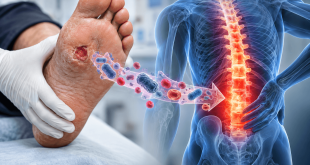
When a Foot Ulcer Isn’t Just a Foot Problem: The Unexpected Link to Spinal Infection
 2,772 views
A large study links diabetic foot ulcers with higher odds of spinal infection, including vertebral osteomyelitis and discitis. Learn the warning signs.
Read More » -
8 October
Sex and Blood Sugar: Does Intimacy Put People With Type 1 Diabetes at Risk for Hypoglycemia?
 1,834 views
A small CGM study explores whether sexual activity increases hypoglycemia risk in adults with type 1 diabetes and what the findings mean for care.
Read More » -
7 October
Your Genes Aren’t Your Destiny: Can Lifestyle Still Move the Needle on Diabetes Risk?
 2,152 views
Genetic risk for type 2 diabetes may be inherited, but new research suggests diet, exercise, and sleep can still help lower overall risk.
Read More »