2 weeks ago
Articles, Blood Glucose Control, Blood Glucose Control, Diabetes, Diet and Nutrition, Physician oriented, Type 2 Diabetes, Type 2 Diabetes
651 views
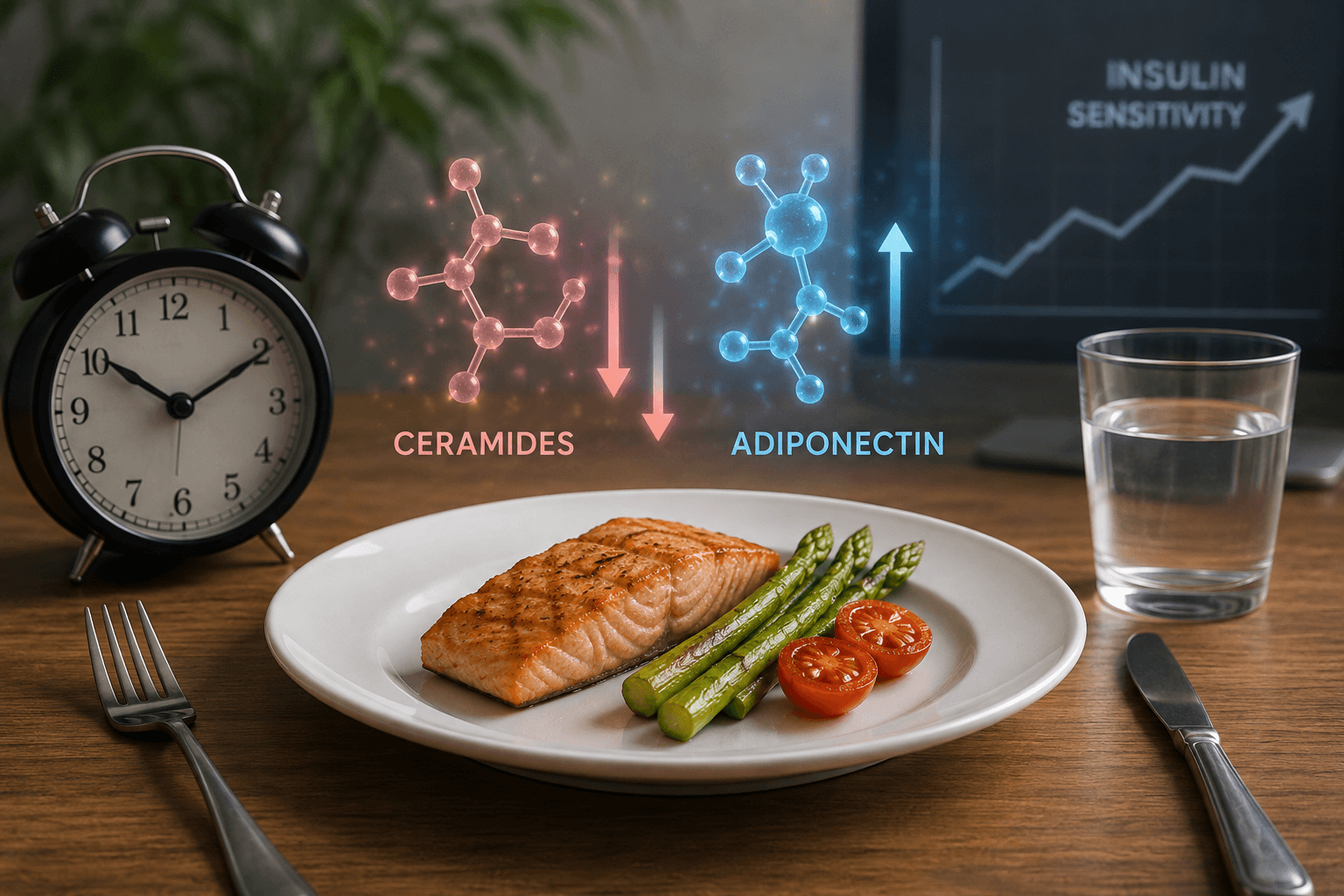
Why does eating less sometimes improve insulin sensitivity beyond what we might expect from weight loss alone? Human research points to an intriguing connection between ceramides, insulin resistance, and adiponectin. Findings from the CALERIE research program suggest that sustained, moderate calorie restriction changes circulating bioactive lipids in ways that may …
Read More »
Aug 20, 2026
Articles, Blood Glucose Control, Blood Glucose Control, Diabetes, Diet and Nutrition, Type 2 Diabetes, Type 2 Diabetes
688 views
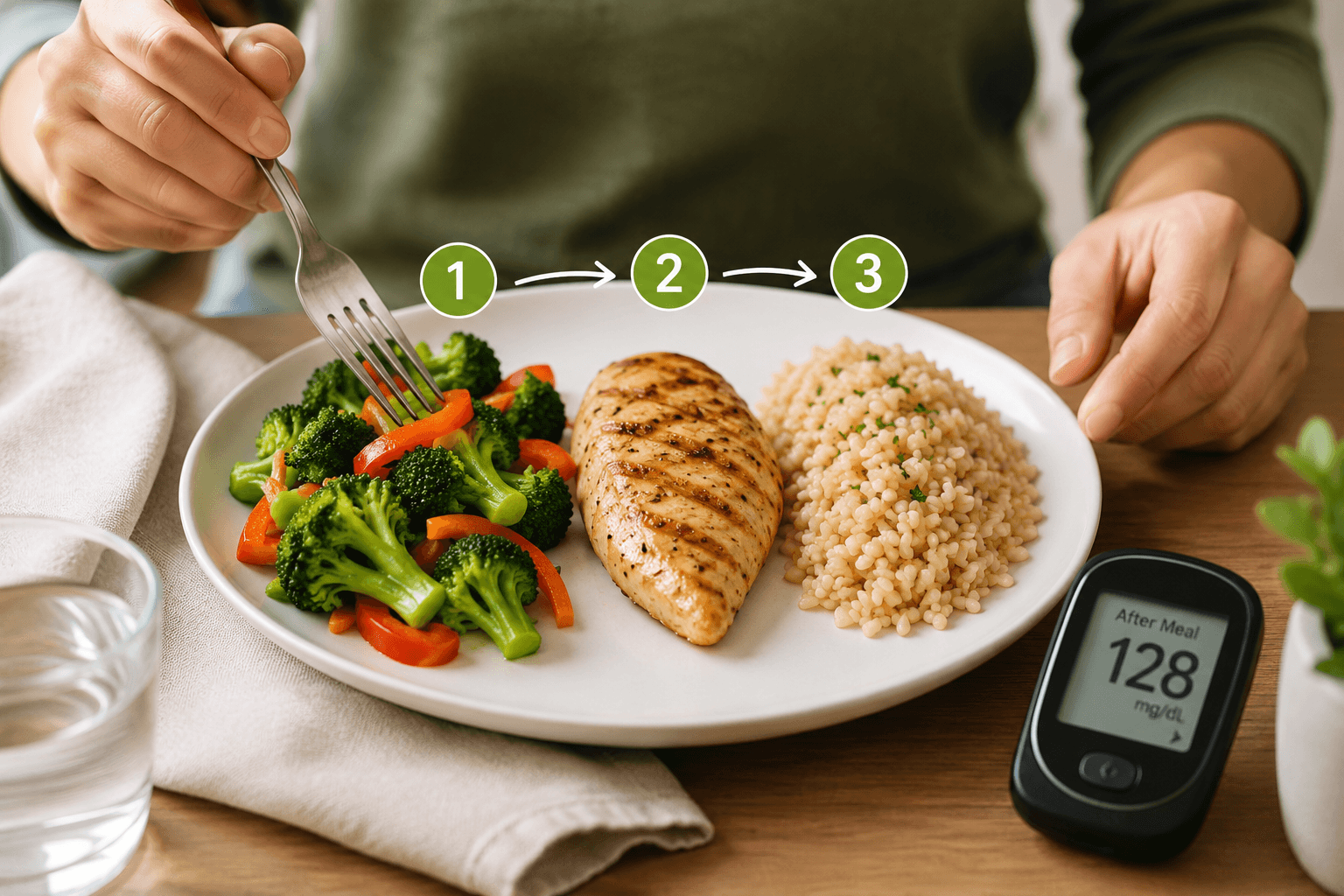
Could changing the order of foods on your plate improve blood sugar without changing what you eat? Research on food sequencing for diabetes suggests it may. Eating vegetables, fiber-rich foods, and protein before carbohydrate-rich foods can reduce post-meal glucose rises in some people. Rather than removing rice, bread, pasta, or …
Read More »
Aug 17, 2026
Articles, Blood Glucose Control, Blood Glucose Control, Diabetes, Diet and Nutrition, Obesity, Surgery
628 views
Blood glucose may improve dramatically after metabolic or bariatric surgery. Yet, for some patients, a very different glucose problem develops months or years later. Post-bariatric hypoglycemia can cause sudden drops in blood glucose after meals, with symptoms ranging from sweating and tremor to confusion, seizures, or loss of consciousness. Because …
Read More »
Jul 24, 2026
Articles, Blood Glucose Control, Blood Glucose Control, Diabetes, Diet and Nutrition, News, Type 2 Diabetes, Type 2 Diabetes
2,613 views
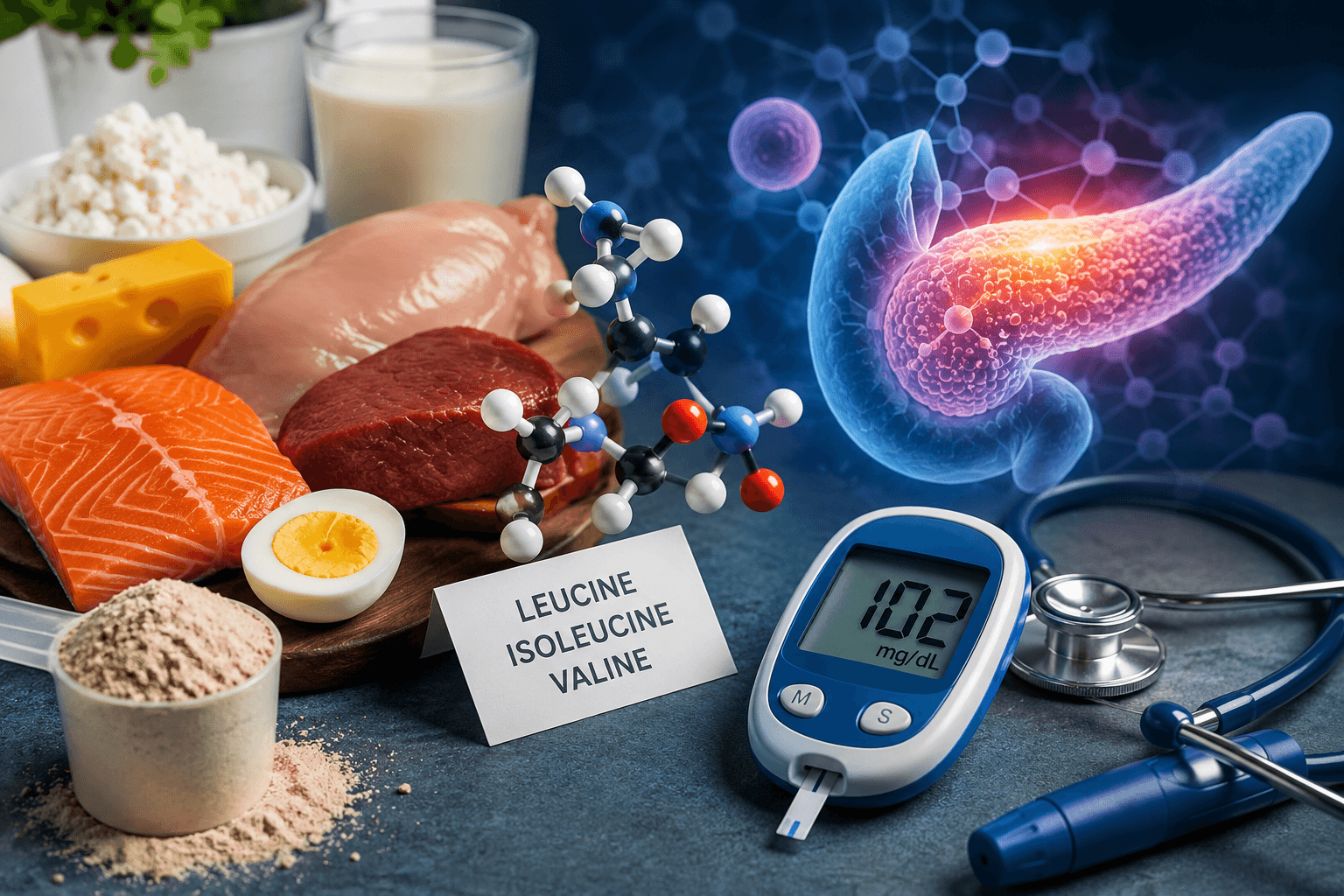
New research is changing the conversation around protein and metabolic health. For years, high-protein diets have been praised for supporting weight loss, preserving muscle, and improving blood sugar control. However, scientists are now discovering that the story may be more complex. Rather than blaming protein itself, researchers are focusing on …
Read More »
Jul 1, 2026
Articles, Blood Glucose Control, Blood Glucose Control, Diabetes, Diet and Nutrition, Type 2 Diabetes, Type 2 Diabetes
1,307 views
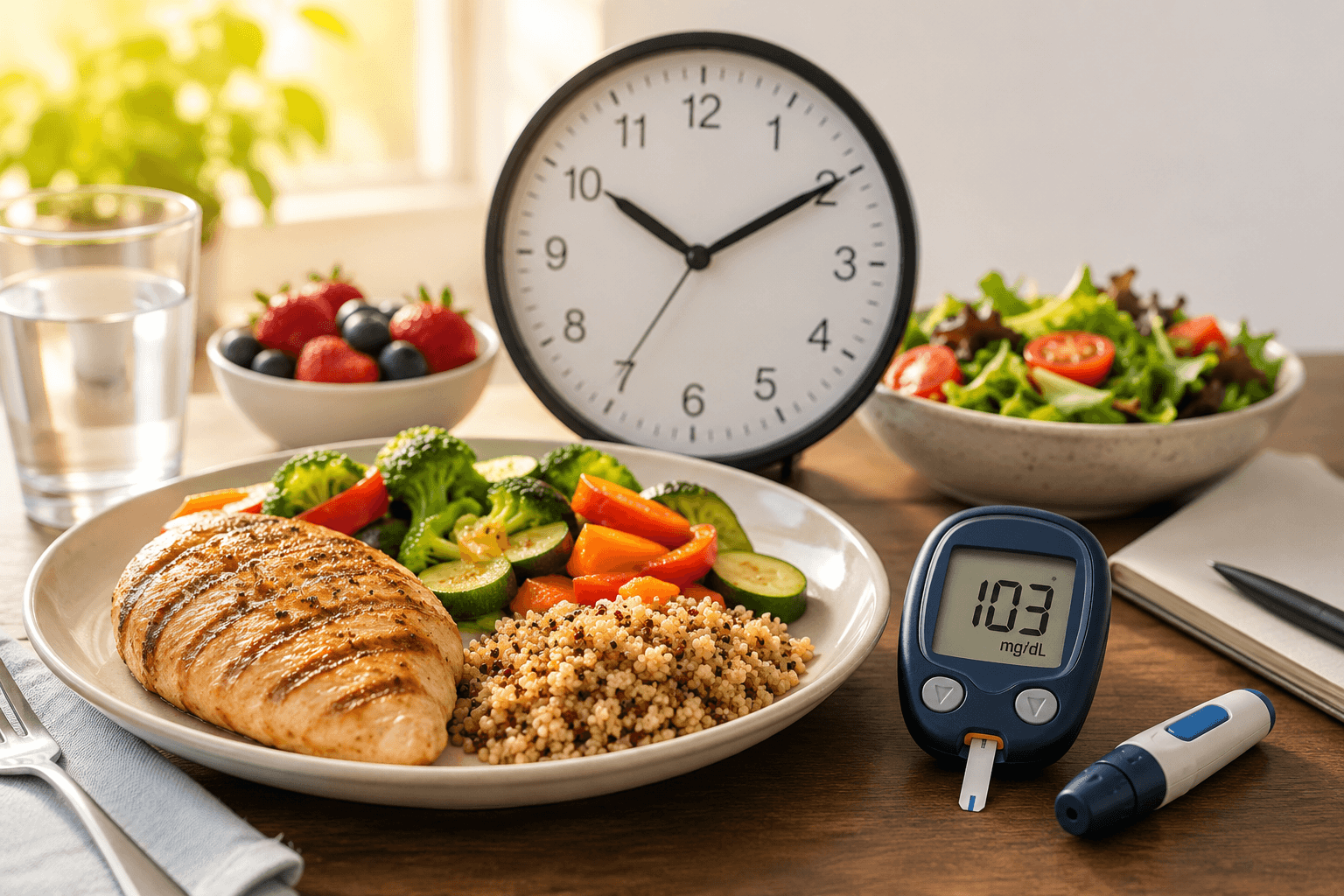
For decades, diabetes management has focused on what patients eat and how much they consume. However, emerging research suggests another factor deserves attention: when they eat. The growing field of chrono-nutrition research in diabetes explores how meal timing interacts with the body’s internal clock to influence glucose metabolism, insulin sensitivity, …
Read More »
Jun 29, 2026
Articles, Blood Glucose Control, Blood Glucose Control, Cardiology, Diabetes, Diet and Nutrition, Prevention
4,545 views
For years, artificial sweeteners have been promoted as an important strategy for reducing sugar intake in people with diabetes. They help lower carbohydrate intake, reduce post-meal glucose spikes, and support weight management without adding calories. However, recent research has challenged the long-held assumption that all non-nutritive sweeteners are metabolically neutral. …
Read More »
Jun 16, 2026
Articles, Diet and Nutrition, Exercise, Geriatric Medicine, GLP- 1 Agonist Therapy Center, GLP-1 Agonist Therapy Center, Obesity, Obesity
2,359 views
The rise of highly effective GLP-1 receptor agonists and dual incretin therapies has transformed obesity treatment. Medications such as semaglutide (Wegovy, Ozempic) and tirzepatide (Zepbound, Mounjaro) are helping patients achieve levels of weight loss that were previously difficult to attain without bariatric surgery. However, as clinicians celebrate these advances, a …
Read More »
Jun 5, 2026
Articles, Blood Glucose Control, Blood Glucose Control, Diabetes, Diet and Nutrition, Safety, Type 1 Diabetes, Type 1 Diabetes, Type 2 Diabetes, Type 2 Diabetes
4,647 views
Patients with diabetes are increasingly exploring fasting for religious, cultural, and metabolic health reasons. From Ramadan observance to intermittent fasting trends, many individuals choose to abstain from food and fluids for extended periods despite potential risks. For clinicians, this creates an important challenge. Simply advising patients not to fast often …
Read More »
May 22, 2026
Articles, Blood Glucose Control, Blood Glucose Control, Devices, Diabetes, Diet and Nutrition, Type 2 Diabetes, Type 2 Diabetes
1,262 views
A bowl of oatmeal can keep one person’s glucose stable while sending another person’s blood sugar sharply upward. The meal is identical, yet the metabolic response is completely different. That reality is pushing many clinicians to reconsider one of the most established principles in diabetes nutrition: carb counting. The growing …
Read More »
Apr 28, 2026
Articles, Blood Glucose Control, Diabetes, Diet & Nutrition, Diet and Nutrition, Type 2 Diabetes, Type 2 Diabetes
3,006 views
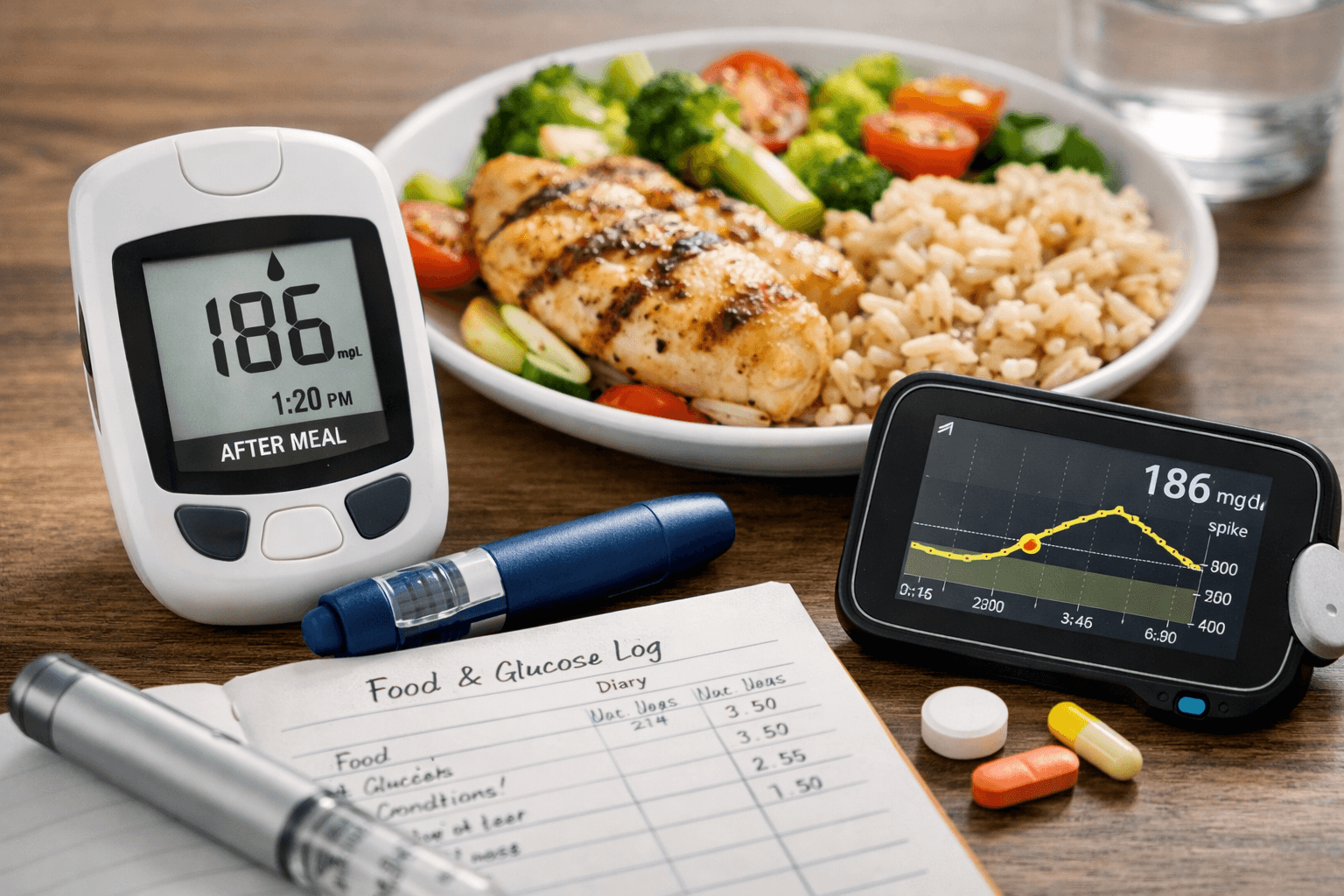
When managing diabetes, most people focus on A1C or time in range. However, what if the real opportunity lies in something more immediate and actionable? Managing post-meal blood sugar, often called postprandial glucose control, may hold the key to better outcomes. While long-term markers still matter, post-meal spikes often go …
Read More »
 Diabetes In Control. A free weekly diabetes newsletter for Medical Professionals. News and information for Medical Professionals.