Jul 1, 2026
Articles, Blood Glucose Control, Blood Glucose Control, Diabetes, Diet and Nutrition, Type 2 Diabetes, Type 2 Diabetes
1,309 views
For decades, diabetes management has focused on what patients eat and how much they consume. However, emerging research suggests another factor deserves attention: when they eat. The growing field of chrono-nutrition research in diabetes explores how meal timing interacts with the body’s internal clock to influence glucose metabolism, insulin sensitivity, …
Read More »
Jun 30, 2026
Articles, Blood Glucose Control, Blood Glucose Control, Diabetes, Diet & Nutrition, Exercise, Physical Activity, Prevention, Type 2 Diabetes, Type 2 Diabetes
1,314 views
For decades, A1C has served as the gold standard for assessing long-term glucose control in people with diabetes. However, it tells only part of the story. Researchers are now exploring whether metabolic flexibility could become an important biomarker in diabetes, offering a deeper understanding of metabolic health than A1C alone. …
Read More »
Jun 19, 2026
Articles, Blood Glucose Control, Blood Glucose Control, Devices, Diabetes, Type 1 Diabetes, Type 1 Diabetes, Type 2 Diabetes, Type 2 Diabetes
1,043 views
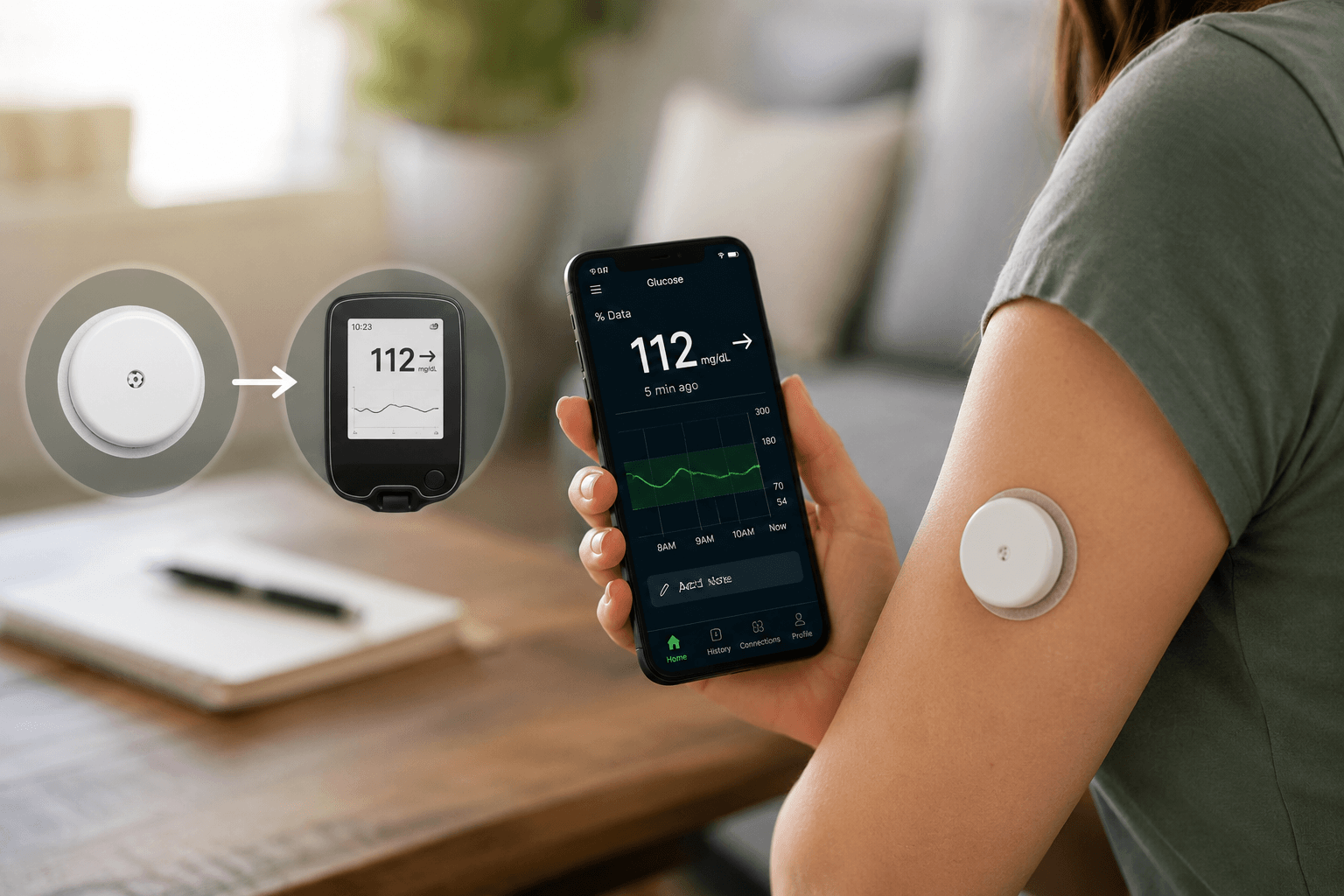
As diabetes technology continues to evolve, clinicians are increasingly faced with an important question: should patients still be using flash continuous glucose monitoring (CGM), or is it time to switch to real-time CGM? While flash CGM systems have significantly improved glucose monitoring and patient engagement over traditional fingerstick testing, real-time …
Read More »
Jun 18, 2026
Articles, Diabetes, Pediatrics, Prevention, Type 1 Diabetes, Type 1 Diabetes
2,078 views
As population-based screening for type 1 diabetes (T1D) becomes more common, clinicians increasingly encounter positive islet autoantibody results in children and adults who have no symptoms. However, not all positive screening results carry the same clinical significance. A single positive autoantibody may indicate elevated risk, yet the specific antibody detected …
Read More »
Jun 17, 2026
Articles, Diabetes, Insulin Therapy Center, Type 1 Diabetes, Type 1 Diabetes
1,740 views
For many people living with diabetes, gaining access to an automated insulin delivery (AID) system can be life-changing. These technologies help improve glycemic outcomes, reduce hypoglycemia risk, and ease the daily burden of diabetes management. Yet despite their proven benefits, many patients continue to face lengthy delays before gaining access. …
Read More »
Jun 12, 2026
Articles, Blood Glucose Control, Blood Glucose Control, Devices, Diabetes
3,822 views
Continuous glucose monitoring (CGM) has transformed diabetes management by giving patients real-time glucose data, trend arrows, and alerts that support better daily decisions. Yet some patients stop using their CGM within days of starting. Often, the problem is not the device itself. Instead, early frustration begins when patients leave the …
Read More »
Jun 11, 2026
Articles, Diabetes, Insulin Therapy Center, Type 1 Diabetes, Type 1 Diabetes, Type 2 Diabetes, Type 2 Diabetes
2,505 views
Many healthcare providers focus heavily on daytime glucose control, yet some of the most dangerous hypoglycemic episodes occur while patients are asleep. Despite major advances in insulin therapy and glucose monitoring, nocturnal hypoglycemia remains a significant clinical concern for people living with diabetes. Because symptoms often go unnoticed during sleep, …
Read More »
Jun 8, 2026
Articles, Blood Glucose Control, Blood Glucose Control, Diabetes, Type 2 Diabetes, Type 2 Diabetes
1,189 views
For decades, A1C has served as the cornerstone of diabetes management. It remains an essential marker because it reflects average blood glucose levels over approximately three months. However, many clinicians are recognizing that managing post-meal glucose levels may provide equally important insights into a patient’s metabolic health. A person can …
Read More »
Jun 5, 2026
Articles, Blood Glucose Control, Blood Glucose Control, Diabetes, Diet and Nutrition, Safety, Type 1 Diabetes, Type 1 Diabetes, Type 2 Diabetes, Type 2 Diabetes
4,651 views
Patients with diabetes are increasingly exploring fasting for religious, cultural, and metabolic health reasons. From Ramadan observance to intermittent fasting trends, many individuals choose to abstain from food and fluids for extended periods despite potential risks. For clinicians, this creates an important challenge. Simply advising patients not to fast often …
Read More »
Jun 4, 2026
Articles, Blood Glucose Control, Blood Glucose Control, Diabetes, Insulin Therapy Center, Type 2 Diabetes
15,747 views
Patients treated with corticosteroids for asthma, COPD exacerbations, rheumatologic disease, inflammatory bowel disease, or cancer-related complications often develop significant elevations in blood glucose. In many cases, these patients have no prior history of diabetes. Yet within days of therapy initiation, blood glucose levels can rise dramatically, creating a challenging clinical …
Read More »
 Diabetes In Control. A free weekly diabetes newsletter for Medical Professionals. News and information for Medical Professionals.