2 weeks ago
Articles, Blood Glucose Control, Blood Glucose Control, Insulin Therapy Center, Pediatrics, Type 1 Diabetes, Type 1 Diabetes
1,347 views
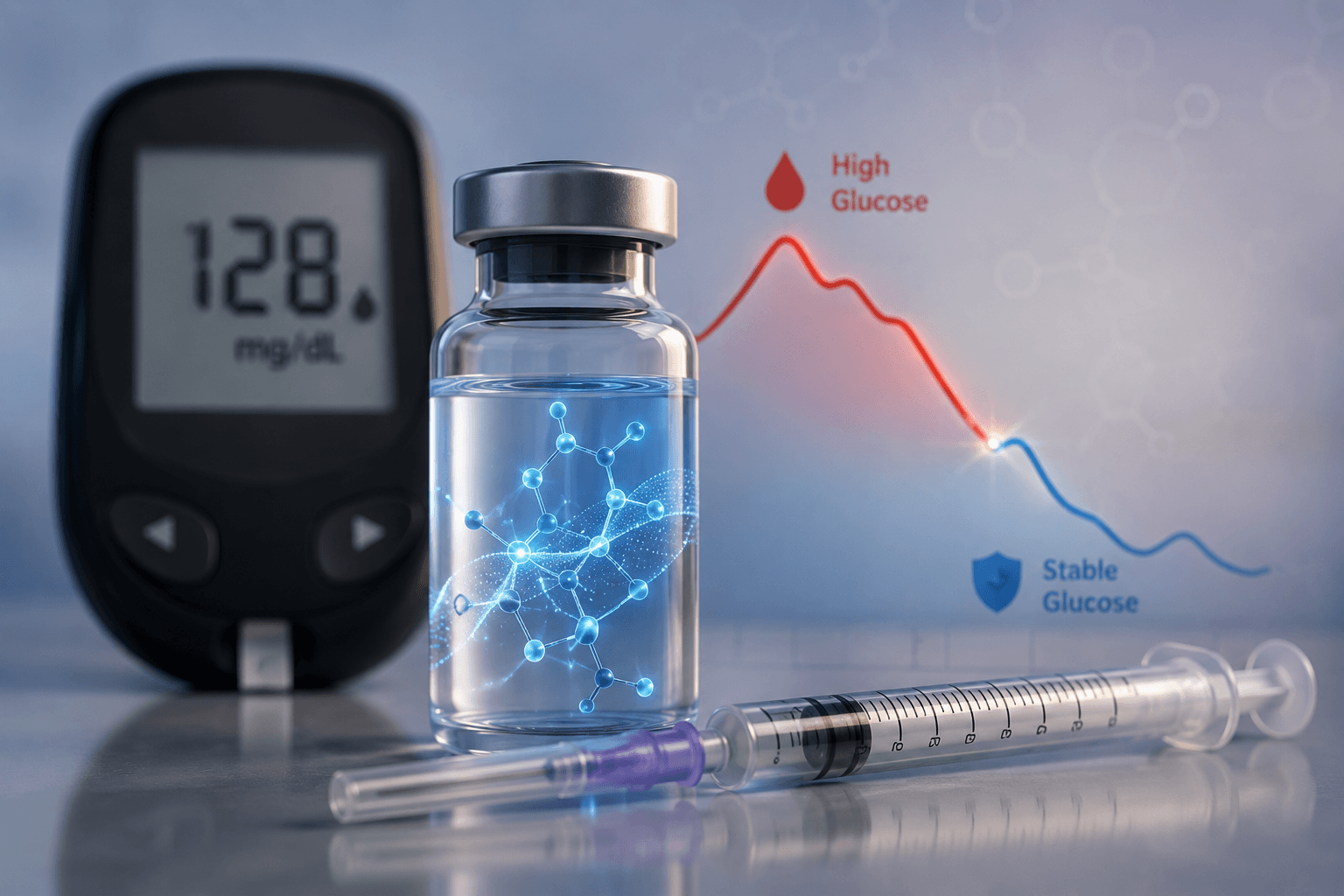
The choice of human vs analogue insulin is especially important for people with Type 1 diabetes who live where healthcare resources are limited. Analogue insulins are often preferred because their action can be more predictable and flexible. However, human insulin is generally less expensive and may be easier for health …
Read More »
4 weeks ago
Articles, Blood Glucose Control, Blood Glucose Control, Devices, Diabetes, Insulin Therapy Center
886 views
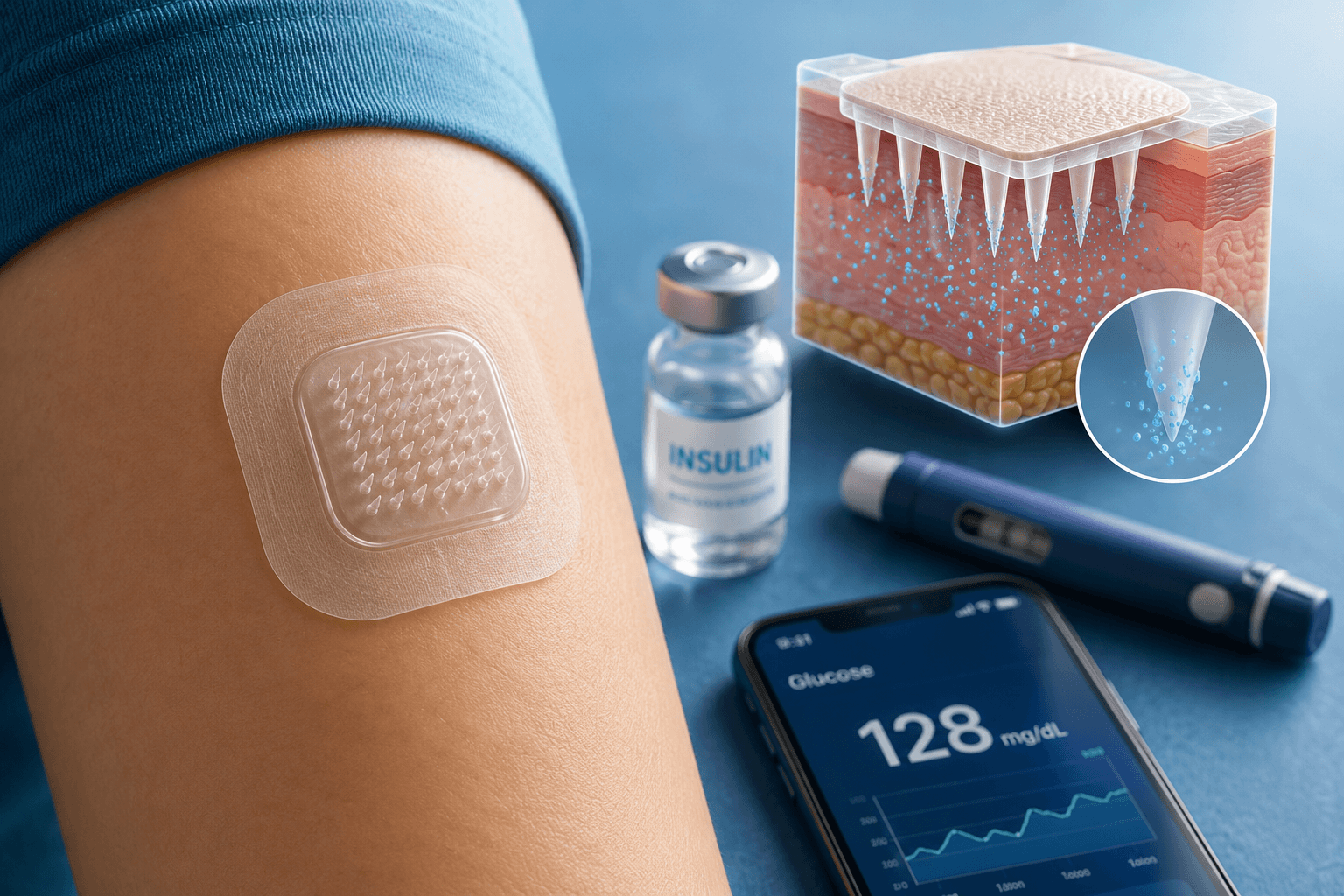
For millions of people who use injectable diabetes medications, treatment can mean living with needles every day. What if a small skin patch could eventually deliver insulin or other therapies with far less discomfort? Researchers studying microneedle patches for diabetes hope to make that possibility practical. These experimental patches use …
Read More »
Aug 13, 2026
Articles, Blood Glucose Control, Blood Glucose Control, Devices, Diabetes, Insulin Therapy Center, Type 1 Diabetes, Type 1 Diabetes
1,038 views
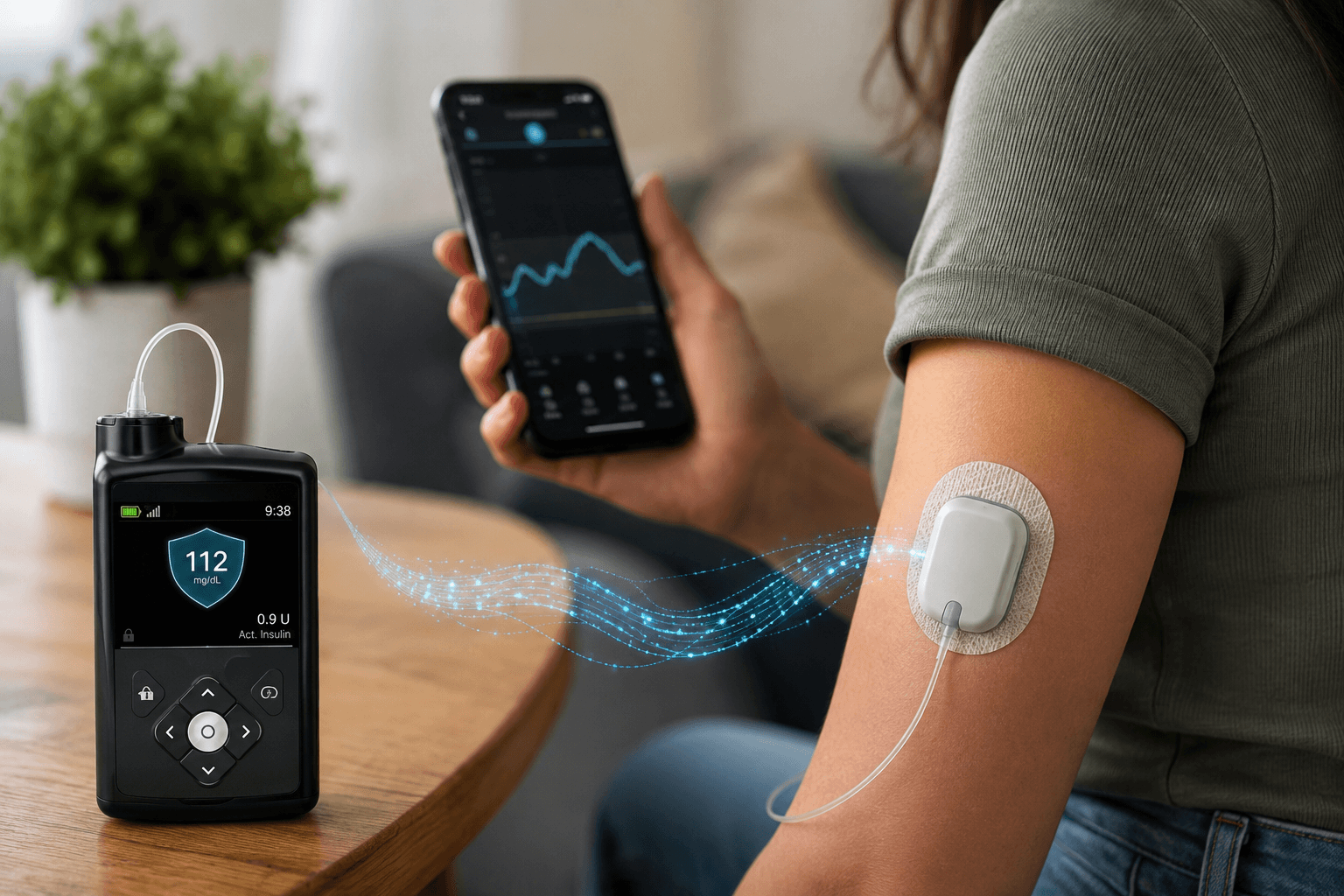
Artificial intelligence is entering diabetes care in a surprisingly quiet way. Rather than appearing as a chatbot or separate decision-support tool, increasingly sophisticated algorithms are being built into automated insulin delivery systems. Adaptive insulin pump hardware can work with continuous glucose monitor (CGM) data, recent insulin delivery, and changing glucose …
Read More »
Jul 2, 2026
Articles, Blood Glucose Control, Blood Glucose Control, Diabetes, Insulin Therapy Center, Therapies, Type 1 Diabetes, Type 1 Diabetes, Type 2 Diabetes, Type 2 Diabetes
2,505 views
For more than a century, insulin has saved millions of lives. Yet despite remarkable advances in diabetes technology, one major challenge remains: preventing hypoglycemia while maintaining excellent glucose control. That is why researchers are developing glucose-responsive insulin, often called “smart” insulin. Instead of delivering a fixed amount of insulin regardless …
Read More »
Jun 17, 2026
Articles, Diabetes, Insulin Therapy Center, Type 1 Diabetes, Type 1 Diabetes
1,736 views
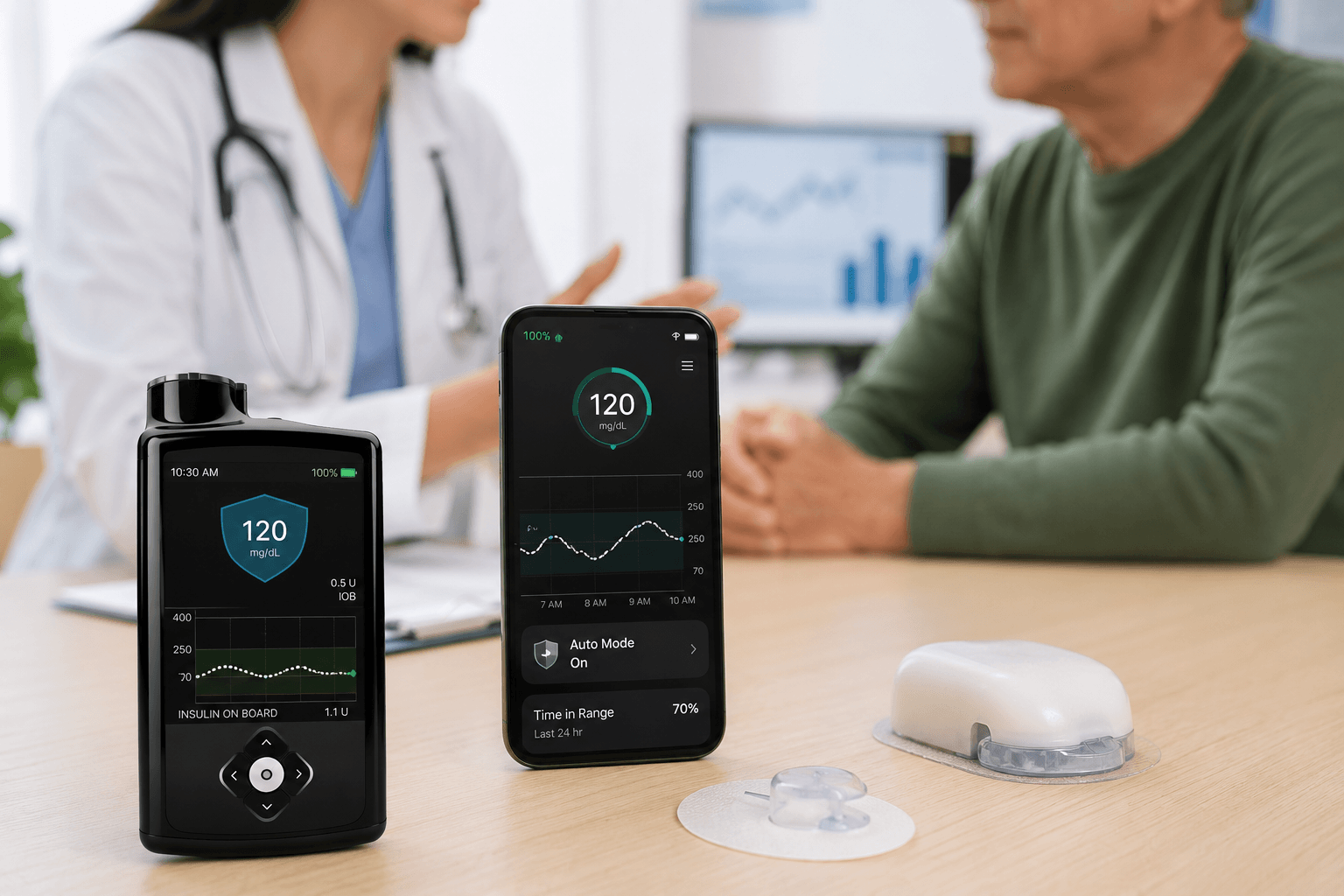
For many people living with diabetes, gaining access to an automated insulin delivery (AID) system can be life-changing. These technologies help improve glycemic outcomes, reduce hypoglycemia risk, and ease the daily burden of diabetes management. Yet despite their proven benefits, many patients continue to face lengthy delays before gaining access. …
Read More »
Jun 12, 2026
Articles, Blood Glucose Control, Blood Glucose Control, Diabetes, Insulin Therapy Center, Type 1 Diabetes, Type 1 Diabetes, Type 2 Diabetes, Type 2 Diabetes
3,155 views
For many people living with diabetes, insulin is more than a medication—it is a lifeline. Yet despite its critical role, some patients stop taking insulin without informing their healthcare provider. The reasons vary widely and may include medication costs, treatment fatigue, fear of side effects, weight gain concerns, or misunderstandings …
Read More »
Jun 11, 2026
Articles, Diabetes, Insulin Therapy Center, Type 1 Diabetes, Type 1 Diabetes, Type 2 Diabetes, Type 2 Diabetes
2,499 views
Many healthcare providers focus heavily on daytime glucose control, yet some of the most dangerous hypoglycemic episodes occur while patients are asleep. Despite major advances in insulin therapy and glucose monitoring, nocturnal hypoglycemia remains a significant clinical concern for people living with diabetes. Because symptoms often go unnoticed during sleep, …
Read More »
Jun 4, 2026
Articles, Blood Glucose Control, Blood Glucose Control, Diabetes, Insulin Therapy Center, Type 2 Diabetes
15,741 views
Patients treated with corticosteroids for asthma, COPD exacerbations, rheumatologic disease, inflammatory bowel disease, or cancer-related complications often develop significant elevations in blood glucose. In many cases, these patients have no prior history of diabetes. Yet within days of therapy initiation, blood glucose levels can rise dramatically, creating a challenging clinical …
Read More »
May 29, 2026
Articles, Blood Glucose Control, Blood Glucose Control, Devices, Diabetes, Insulin Therapy Center, Type 1 Diabetes, Type 1 Diabetes
1,168 views
For years, diabetes care has relied on one key rule: insulin should be given before meals whenever possible. Yet many people living with diabetes still struggle with timing. Busy schedules, unpredictable eating habits, and delayed dosing often lead to postprandial glucose spikes. Now, with the rise of ultra-rapid insulin AID …
Read More »
May 21, 2026
Articles, Blood Glucose Control, Blood Glucose Control, Devices, Diabetes, Insulin Therapy Center, Therapies, Type 2 Diabetes, Type 2 Diabetes
1,761 views
Automated insulin delivery for people with type 2 diabetes is entering a new phase. What once seemed reserved for highly specialized endocrinology clinics is now moving steadily into primary care offices across the country. Following the updated 2026 American Diabetes Association Standards of Care and recent FDA clearances, more adults …
Read More »
 Diabetes In Control. A free weekly diabetes newsletter for Medical Professionals. News and information for Medical Professionals.