 Diabetes In Control. A free weekly diabetes newsletter for Medical Professionals. News and information for Medical Professionals.
When glucose numbers improve, patients are expected to feel better. Yet some people with type 1 diabetes report the opposite. A glucose level that looks reassuring on a continuous glucose monitor may leave them feeling tired, uncomfortable, or simply “off.” New research suggests that glycemic habituation may help explain this …
Read More »SGLT Inhibitors Protect the Heart and Kidneys: Why Is Type 1 Diabetes Still the Exception?

SGLT inhibitors have changed the treatment landscape for cardiovascular and kidney disease, particularly in people with type 2 diabetes, heart failure, and chronic kidney disease. That success raises an obvious question: why are SGLT inhibitors in type 1 diabetes still largely outside routine clinical practice? The answer is not a …
Read More »Dialysis Changes the Rules: What Happens When Patients With Diabetes Use Real-Time CGM?

Managing glucose is rarely simple for people with Type 2 diabetes who receive maintenance hemodialysis. Dialysis can change glucose patterns, insulin needs, and the reliability of familiar measures such as A1C. As a result, clinicians may have an incomplete picture when making treatment decisions. New randomized research on CGM use …
Read More »One Diagnosis, Different Diseases? Researchers Uncover Distinct Types of Gestational Diabetes

Gestational diabetes is usually treated as a single diagnosis, but growing evidence suggests the biology behind it can vary considerably from one patient to another. Researchers studying gestational diabetes phenotypes have identified metabolic patterns involving differences in insulin resistance, insulin secretion, or both. These findings raise an important question: Could …
Read More »A1C Has a Blind Spot: Could Glycated Albumin Help Clinicians Act Faster?

A1C is one of the most useful tools in diabetes care, but it has an important limitation: it takes time to reflect change. Could a faster-moving marker help clinicians know sooner whether treatment is working? New randomized research on glycated albumin in diabetes offers an intriguing answer. Glycated albumin reflects …
Read More »Digital Diabetes Coaching: Why an App Alone Isn’t Enough

A diabetes app can track meals, count steps, log glucose, and deliver reminders. However, can an app actually help someone turn all that information into lasting daily habits? A recent randomized controlled trial suggests that digital diabetes coaching, with technology supported by ongoing human guidance, may help bridge that gap. …
Read More »More Dietary Fat, Worse Blood Fats? A Low-Carb Diabetes Trial Challenges the Assumption

Does eating more fat automatically mean that more harmful fatty acids will circulate in the blood? A new randomized trial suggests the answer may be more complicated. Researchers studying a low-carb diet for type 2 diabetes found that six months of carbohydrate restriction changed circulating fatty acids in potentially favorable …
Read More »Not All Insulin Resistance Is the Same: Why Fat and Muscle May Matter Differently
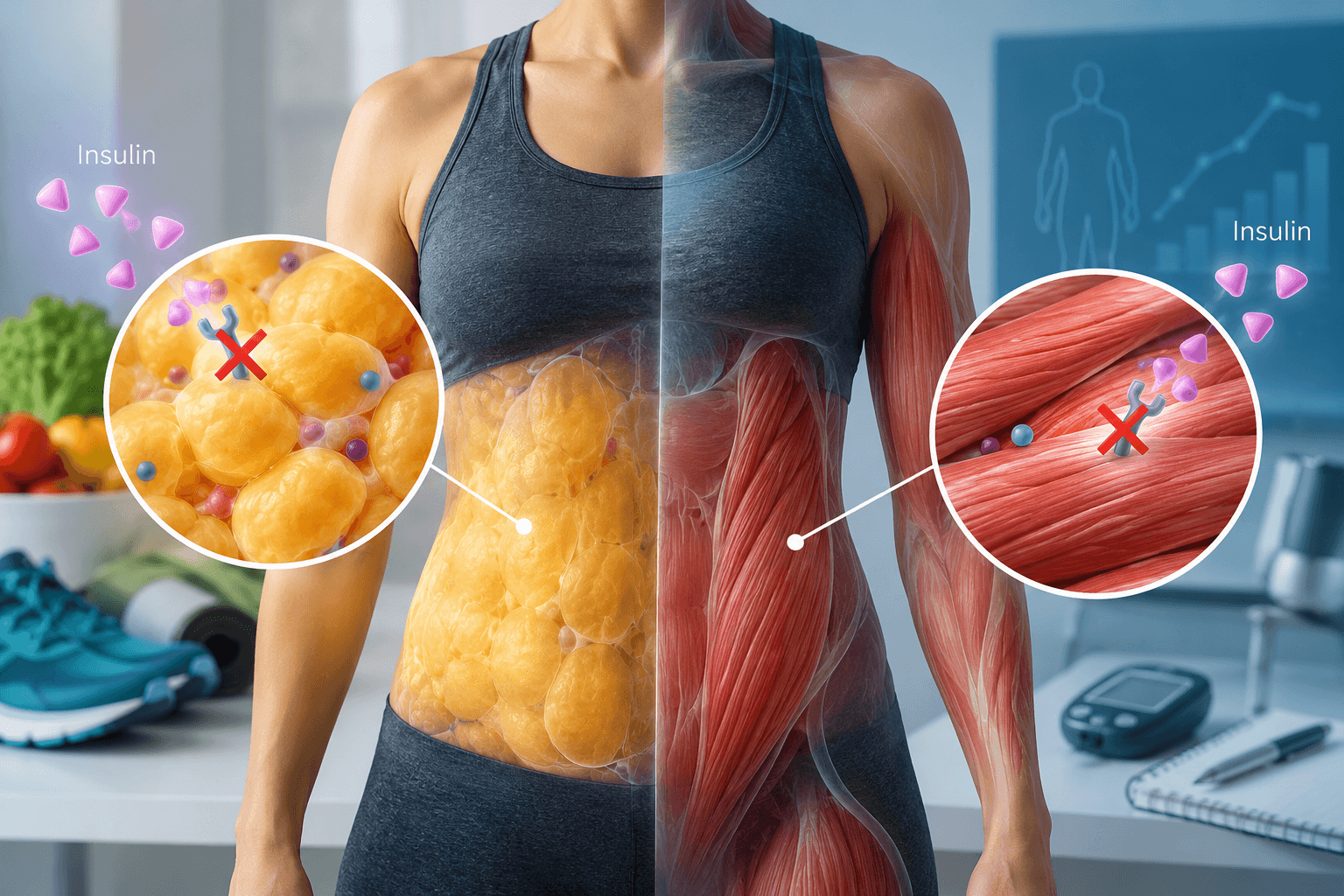
Insulin resistance is often discussed as though it were one metabolic problem affecting the entire body equally. However, emerging research suggests the picture is more complex. Tissue-specific insulin resistance means that fat, muscle, the liver, and other tissues may not respond to insulin in the same way. More importantly, resistance …
Read More »Human vs. Analogue Insulin: Does Newer Really Mean Better for Type 1 Diabetes?

The choice of human vs analogue insulin is especially important for people with Type 1 diabetes who live where healthcare resources are limited. Analogue insulins are often preferred because their action can be more predictable and flexible. However, human insulin is generally less expensive and may be easier for health …
Read More »When “Type 2” Isn’t Type 2: Clues to Type 3c Diabetes
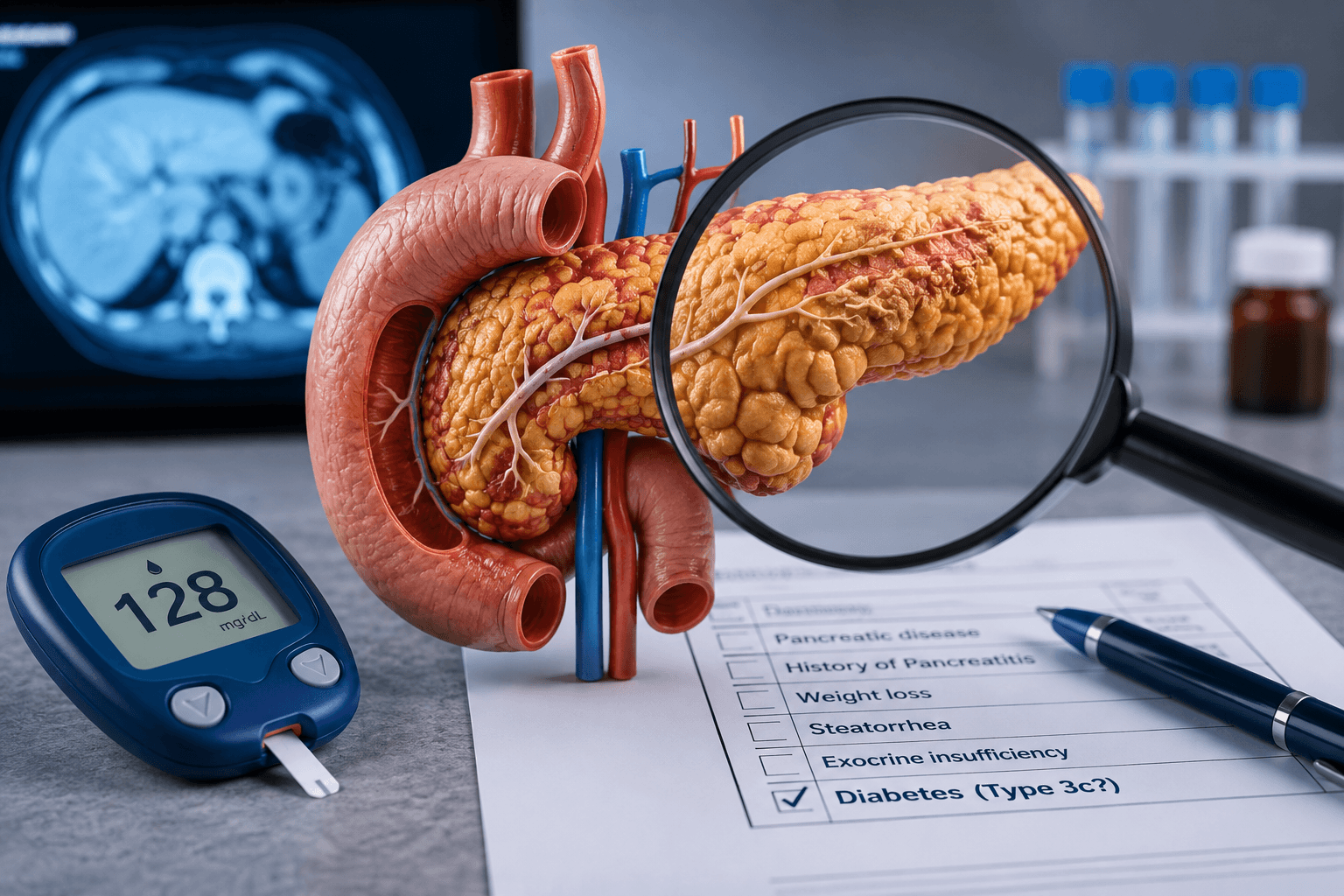
A patient develops diabetes in adulthood, so Type 2 diabetes may seem like the obvious diagnosis. However, what if that patient also has chronic pancreatitis, unexplained weight loss, pancreatic surgery, or symptoms of poor nutrient absorption? Those details can change the clinical picture. Careful evaluation can reveal Type 3c diabetes …
Read More »