Jun 25, 2026
Articles, Blood Glucose Control, Blood Glucose Control, Diabetes, Gastroenterology, Prevention, Type 2 Diabetes, Type 2 Diabetes
2,680 views
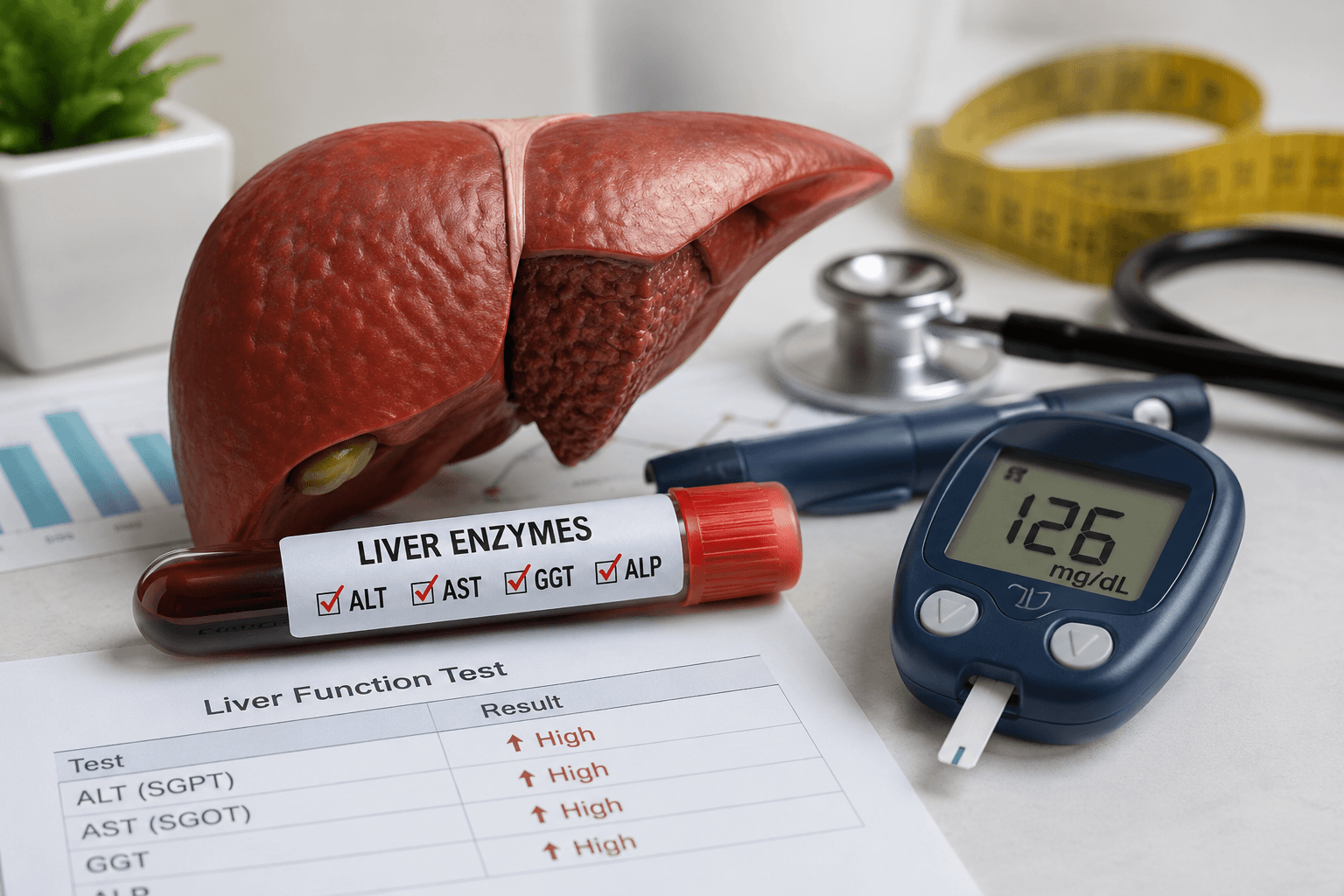
Many people think of liver function tests as a way to detect liver disease. However, researchers are discovering that routine liver enzymes may also reveal important clues about future metabolic health. Understanding liver enzymes diabetes risk is becoming increasingly important because these commonly ordered blood tests may help identify people …
Read More »
Jun 22, 2026
Articles, Diabetes, Mental Health, Type 2 Diabetes, Type 2 Diabetes
2,080 views
When most people think about diabetes risk factors, they picture blood sugar levels, diet, exercise habits, or genetics. However, researchers and clinicians are increasingly focusing on another factor that may have a profound impact on health outcomes: loneliness. The connection between loneliness and diabetes is gaining attention as evidence continues …
Read More »
Jun 15, 2026
Articles, Blood Glucose Control, Blood Glucose Control, Diabetes, Oncology, Therapies
2,072 views
As cancer treatment becomes increasingly sophisticated, clinicians are encountering a growing metabolic challenge. Cancer therapy–induced hyperglycemia has emerged as an important concern with the expanding use of immunotherapies and targeted therapies. In some patients, hyperglycemia develops gradually. In others, particularly those receiving immune checkpoint inhibitors, severe diabetes and diabetic ketoacidosis …
Read More »
Jun 12, 2026
Articles, Blood Glucose Control, Blood Glucose Control, Devices, Diabetes
4,236 views
Continuous glucose monitoring (CGM) has transformed diabetes management by giving patients real-time glucose data, trend arrows, and alerts that support better daily decisions. Yet some patients stop using their CGM within days of starting. Often, the problem is not the device itself. Instead, early frustration begins when patients leave the …
Read More »
Jun 12, 2026
Articles, Blood Glucose Control, Blood Glucose Control, Diabetes, Insulin Therapy Center, Type 1 Diabetes, Type 1 Diabetes, Type 2 Diabetes, Type 2 Diabetes
6,537 views
For many people living with diabetes, insulin is more than a medication—it is a lifeline. Yet despite its critical role, some patients stop taking insulin without informing their healthcare provider. The reasons vary widely and may include medication costs, treatment fatigue, fear of side effects, weight gain concerns, or misunderstandings …
Read More »
Jun 11, 2026
Articles, Diabetes, Insulin Therapy Center, Type 1 Diabetes, Type 1 Diabetes, Type 2 Diabetes, Type 2 Diabetes
3,957 views
Many healthcare providers focus heavily on daytime glucose control, yet some of the most dangerous hypoglycemic episodes occur while patients are asleep. Despite major advances in insulin therapy and glucose monitoring, nocturnal hypoglycemia remains a significant clinical concern for people living with diabetes. Because symptoms often go unnoticed during sleep, …
Read More »
Jun 9, 2026
Articles, Blood Glucose Control, Blood Glucose Control, Diabetes, Gastroenterology, Neuropathy & Pain, Type 2 Diabetes, Type 2 Diabetes
2,768 views
Many people with diabetes expect complications such as retinopathy, kidney disease, or peripheral neuropathy. However, gastrointestinal symptoms often receive far less attention despite their significant impact on quality of life. Chronic constipation, bloating, abdominal discomfort, and irregular bowel habits affect a substantial number of individuals living with diabetes. In many …
Read More »
Jun 8, 2026
Articles, Blood Glucose Control, Blood Glucose Control, Diabetes, Type 2 Diabetes, Type 2 Diabetes
1,661 views
For decades, A1C has served as the cornerstone of diabetes management. It remains an essential marker because it reflects average blood glucose levels over approximately three months. However, many clinicians are recognizing that managing post-meal glucose levels may provide equally important insights into a patient’s metabolic health. A person can …
Read More »
Jun 4, 2026
Articles, Blood Glucose Control, Blood Glucose Control, Diabetes, Insulin Therapy Center, Type 2 Diabetes
17,972 views
Patients treated with corticosteroids for asthma, COPD exacerbations, rheumatologic disease, inflammatory bowel disease, or cancer-related complications often develop significant elevations in blood glucose. In many cases, these patients have no prior history of diabetes. Yet within days of therapy initiation, blood glucose levels can rise dramatically, creating a challenging clinical …
Read More »
Jun 4, 2026
Articles, Blood Glucose Control, Blood Glucose Control, Diabetes, Exercise, Physical Activity, Type 1 Diabetes, Type 1 Diabetes, Type 2 Diabetes, Type 2 Diabetes
8,284 views
A patient finishes a hard workout, checks their glucose monitor, and feels completely confused. Instead of seeing lower blood sugar after exercise, the reading is suddenly much higher. While this reaction may seem alarming, it is actually a common response to intense physical activity in people with diabetes. Certain workouts …
Read More »
 Diabetes In Control. A free weekly diabetes newsletter for Medical Professionals. News and information for Medical Professionals.