Jul 30, 2026
Articles, Blood Glucose Control, Blood Glucose Control, Devices, Therapies, Type 1 Diabetes, Type 1 Diabetes
1,406 views
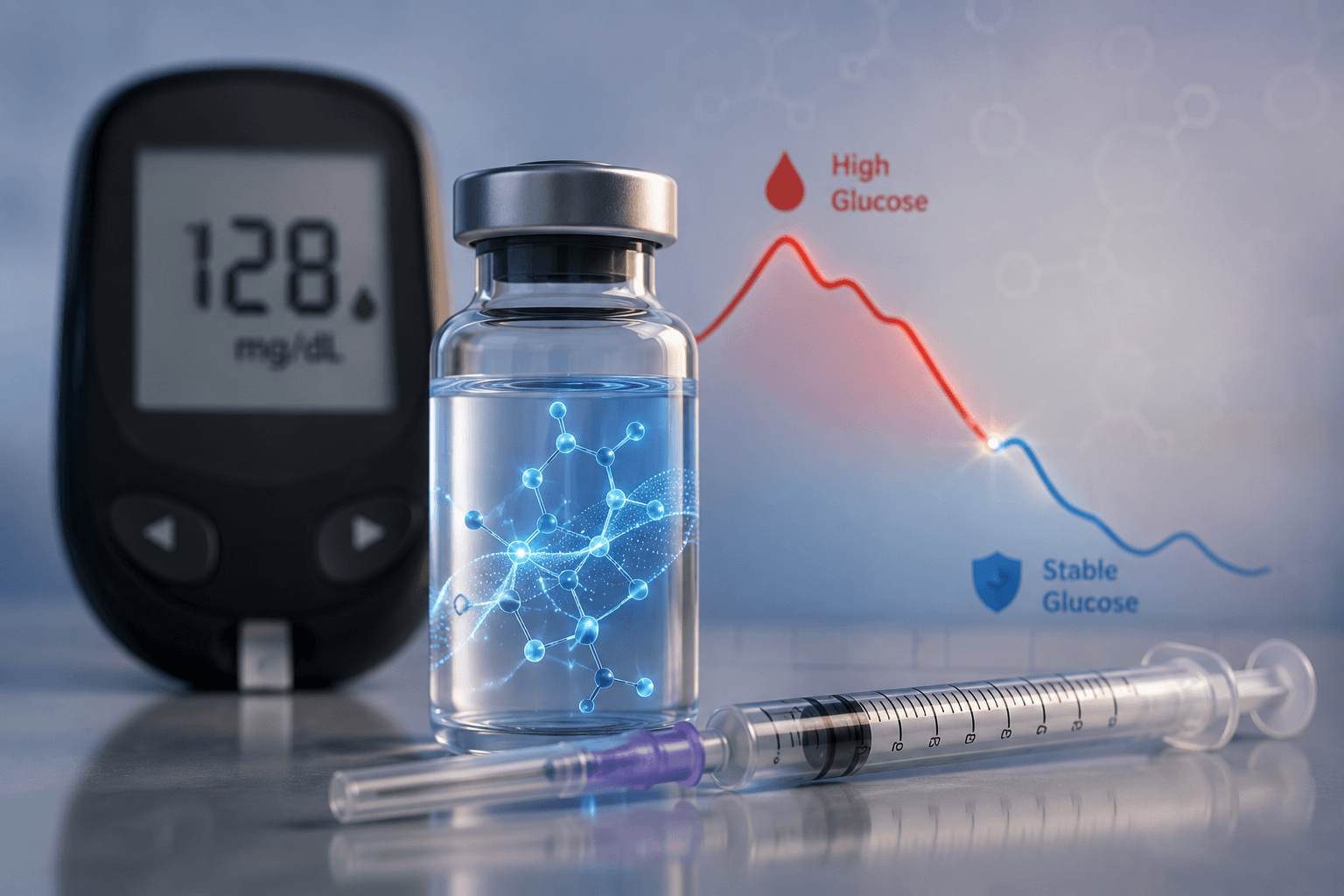
Many people with type 1 diabetes live with the constant fear of blood glucose dropping too low. Even today’s most advanced automated insulin delivery systems cannot actively raise glucose once levels begin to fall. Instead, they can only reduce or suspend insulin delivery. A dual-hormone artificial pancreas system changes that …
Read More »
Jul 30, 2026
Articles, Cardiology, Therapies, Type 2 Diabetes, Type 2 Diabetes
1,341 views
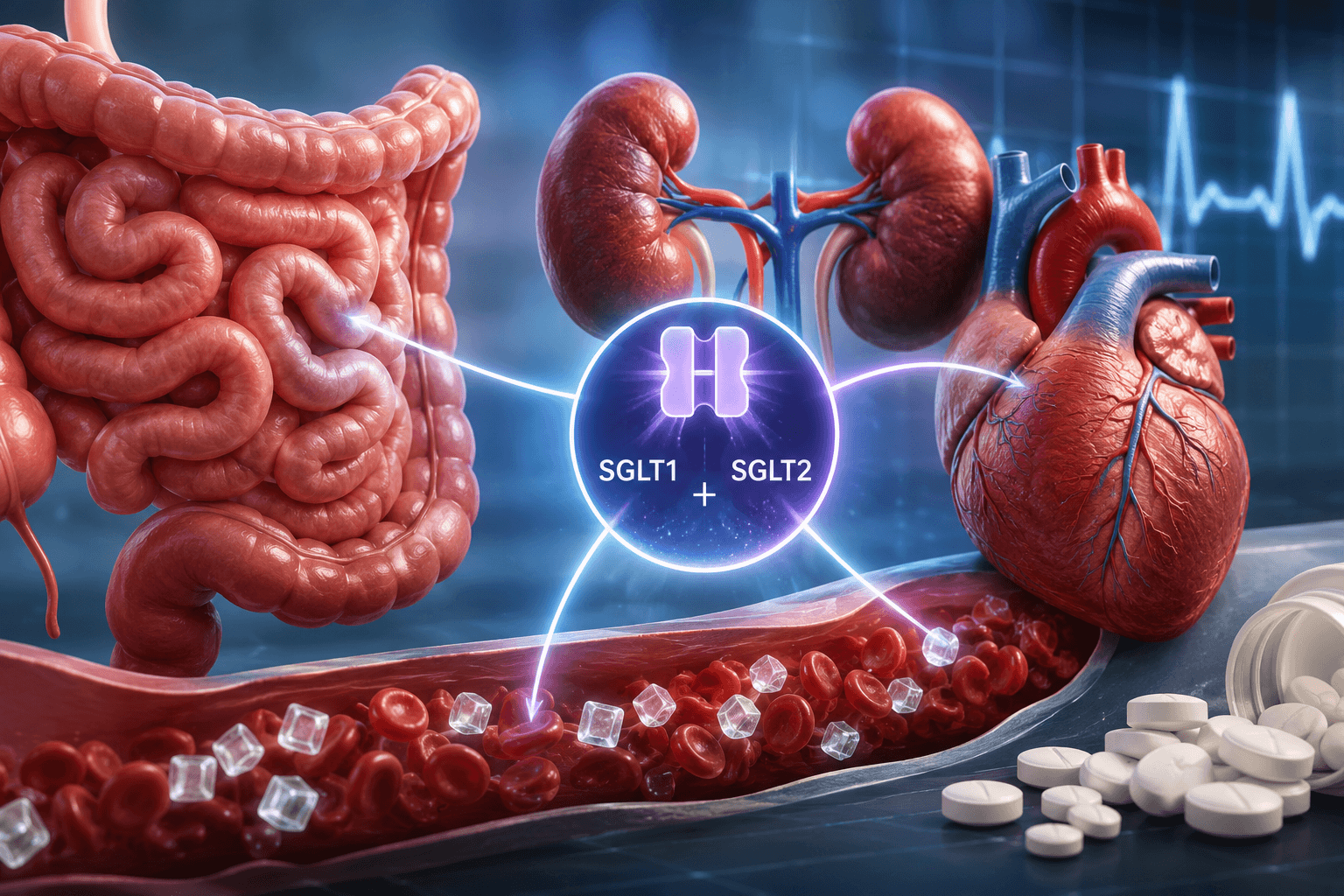
The treatment landscape for type 2 diabetes has changed dramatically over the past decade. While selective SGLT2 inhibitors have become a cornerstone of diabetes management because of their proven cardiovascular and kidney benefits, researchers are now exploring the added potential of dual SGLT1/2 inhibitor therapy for people with diabetes. By …
Read More »
Jul 22, 2026
Articles, Blood Glucose Control, Blood Glucose Control, Diabetes, Gastroenterology, News, Type 2 Diabetes, Type 2 Diabetes
1,535 views
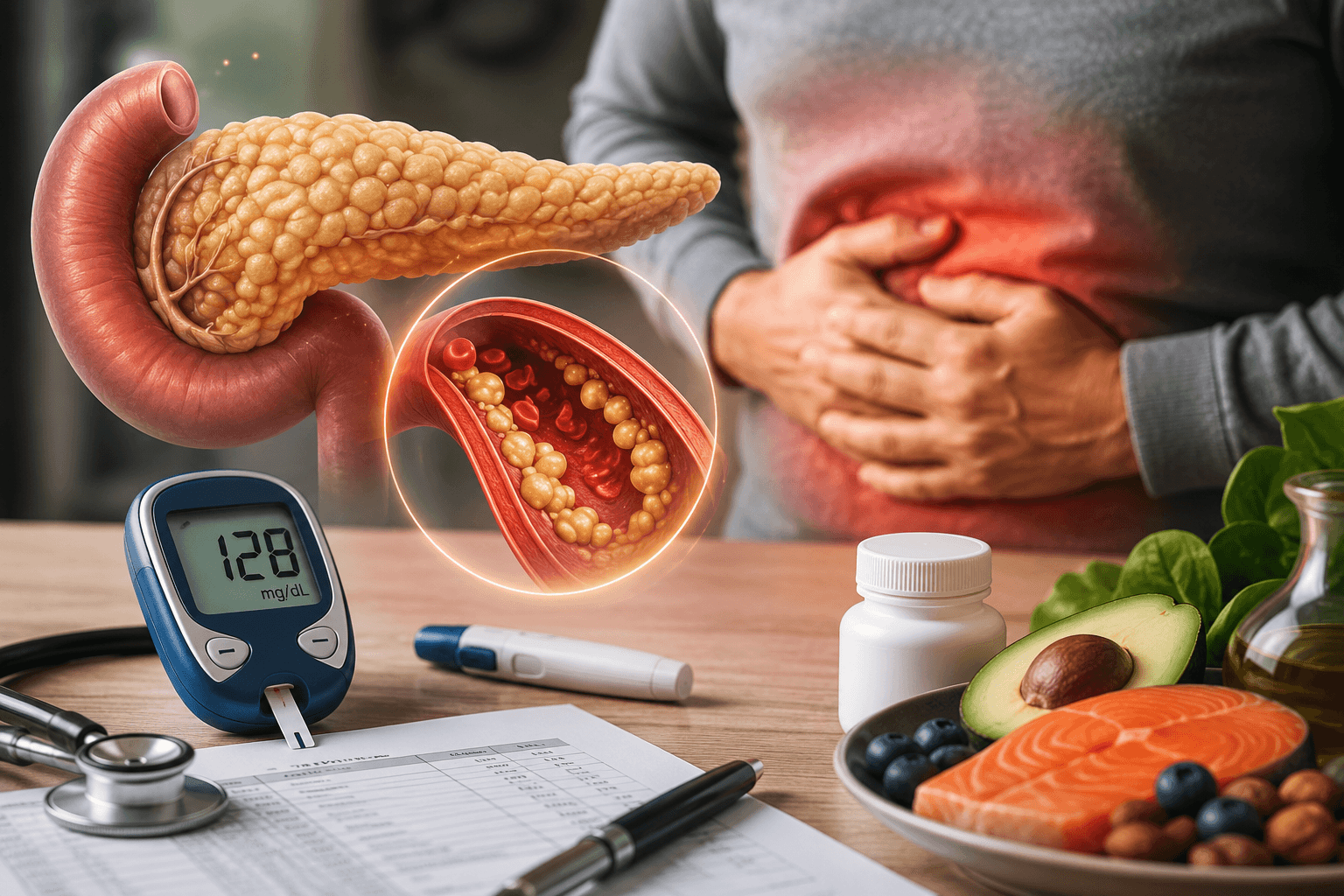
People with diabetes often focus on blood sugar, A1C, and cholesterol. However, very high triglyceride levels deserve just as much attention because they can trigger acute pancreatitis, a painful and potentially life-threatening condition. The connection between diabetes, high triglycerides, and pancreatitis is especially important because severe hypertriglyceridemia can develop silently …
Read More »
Jul 21, 2026
Articles, Blood Glucose Control, Blood Glucose Control, Cardiology, Nephrology, SGLT-2 Therapy Center, Type 2 Diabetes, Type 2 Diabetes
4,088 views
For many people living with type 2 diabetes, the biggest challenge is not finding an effective medication. It is being able to afford it. That reality may begin to change now that the U.S. Food and Drug Administration (FDA) has approved the first generic versions of Farxiga (dapagliflozin), potentially making …
Read More »
Jul 20, 2026
Articles, Blood Glucose Control, Blood Glucose Control, Diabetes, Type 2 Diabetes, Type 2 Diabetes
1,945 views
Night-shift work keeps hospitals, factories, transportation systems, and emergency services running around the clock. However, while society benefits from overnight workers, their metabolic health often pays the price. Recent continuous glucose monitoring (CGM) studies have shown that shift work is strongly associated with greater glycemic variability in people with diabetes, …
Read More »
Jul 15, 2026
Articles, Blood Glucose Control, Diabetes, Exercise, Physical Activity, Type 2 Diabetes, Type 2 Diabetes
2,958 views
For years, diabetes care has emphasized one simple message: exercise regularly. While that advice remains essential, researchers are now asking a more specific question. Could when you exercise be just as important as how much you exercise? Emerging evidence suggests the answer may be yes. The growing field of chronotherapy, …
Read More »
Jul 6, 2026
Articles, Diabetes, Diet & Nutrition, Mental Health, Obesity, Obesity, Type 2 Diabetes, Type 2 Diabetes
2,547 views
For many people living with binge eating disorder and type 2 diabetes, managing blood sugar isn’t just about counting carbohydrates or losing weight. Emotional eating, loss of control around food, and feelings of guilt can quietly interfere with diabetes care, even when someone is taking the right medications. Because of …
Read More »
Jul 2, 2026
Articles, Blood Glucose Control, Blood Glucose Control, Diabetes, Insulin Therapy Center, Therapies, Type 1 Diabetes, Type 1 Diabetes, Type 2 Diabetes, Type 2 Diabetes
3,343 views
For more than a century, insulin has saved millions of lives. Yet despite remarkable advances in diabetes technology, one major challenge remains: preventing hypoglycemia while maintaining excellent glucose control. That is why researchers are developing glucose-responsive insulin, often called “smart” insulin. Instead of delivering a fixed amount of insulin regardless …
Read More »
Jul 1, 2026
Articles, Blood Glucose Control, Blood Glucose Control, Diabetes, Diet and Nutrition, Type 2 Diabetes, Type 2 Diabetes
1,596 views
For decades, diabetes management has focused on what patients eat and how much they consume. However, emerging research suggests another factor deserves attention: when they eat. The growing field of chrono-nutrition research in diabetes explores how meal timing interacts with the body’s internal clock to influence glucose metabolism, insulin sensitivity, …
Read More »
Jun 29, 2026
Articles, Blood Glucose Control, Blood Glucose Control, Cardiology, Diabetes, Diet and Nutrition, Prevention
4,965 views
For years, artificial sweeteners have been promoted as an important strategy for reducing sugar intake in people with diabetes. They help lower carbohydrate intake, reduce post-meal glucose spikes, and support weight management without adding calories. However, recent research has challenged the long-held assumption that all non-nutritive sweeteners are metabolically neutral. …
Read More »
 Diabetes In Control. A free weekly diabetes newsletter for Medical Professionals. News and information for Medical Professionals.