Sep 7, 2026
Articles, Blood Glucose Control, Blood Glucose Control, Insulin Therapy Center, Pediatrics, Type 1 Diabetes, Type 1 Diabetes
2,035 views
The choice of human vs analogue insulin is especially important for people with Type 1 diabetes who live where healthcare resources are limited. Analogue insulins are often preferred because their action can be more predictable and flexible. However, human insulin is generally less expensive and may be easier for health …
Read More »
Sep 4, 2026
Articles, Blood Glucose Control, Blood Glucose Control, Diabetes, Gastroenterology, Physician oriented
4,428 views
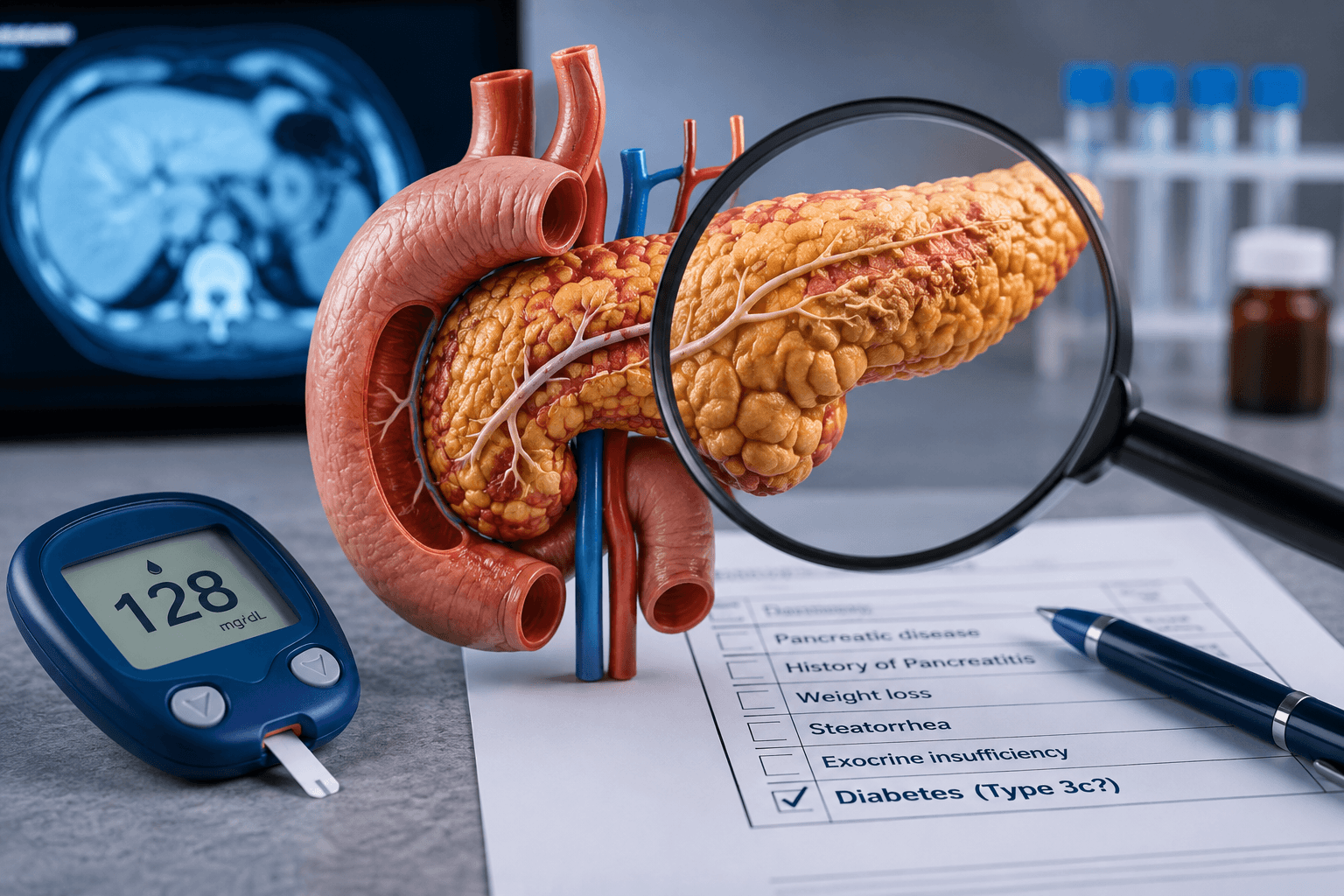
A patient develops diabetes in adulthood, so Type 2 diabetes may seem like the obvious diagnosis. However, what if that patient also has chronic pancreatitis, unexplained weight loss, pancreatic surgery, or symptoms of poor nutrient absorption? Those details can change the clinical picture. Careful evaluation can reveal Type 3c diabetes …
Read More »
Sep 1, 2026
Articles, Gestational Diabetes, Physical Activity, Prevention, Type 2 Diabetes, Type 2 Diabetes, Women's Health
1,011 views
Diabetes prevention remains important long after a pregnancy affected by gestational diabetes. For people who have had gestational diabetes, the years after delivery are an important window for lowering the risk of Type 2 diabetes. Yet healthy choices do not happen in a vacuum. Where someone lives may affect whether …
Read More »
Aug 31, 2026
Articles, Blood Glucose Control, Blood Glucose Control, Devices, Diabetes, Prevention, Safety, Type 1 Diabetes, Type 1 Diabetes
2,844 views
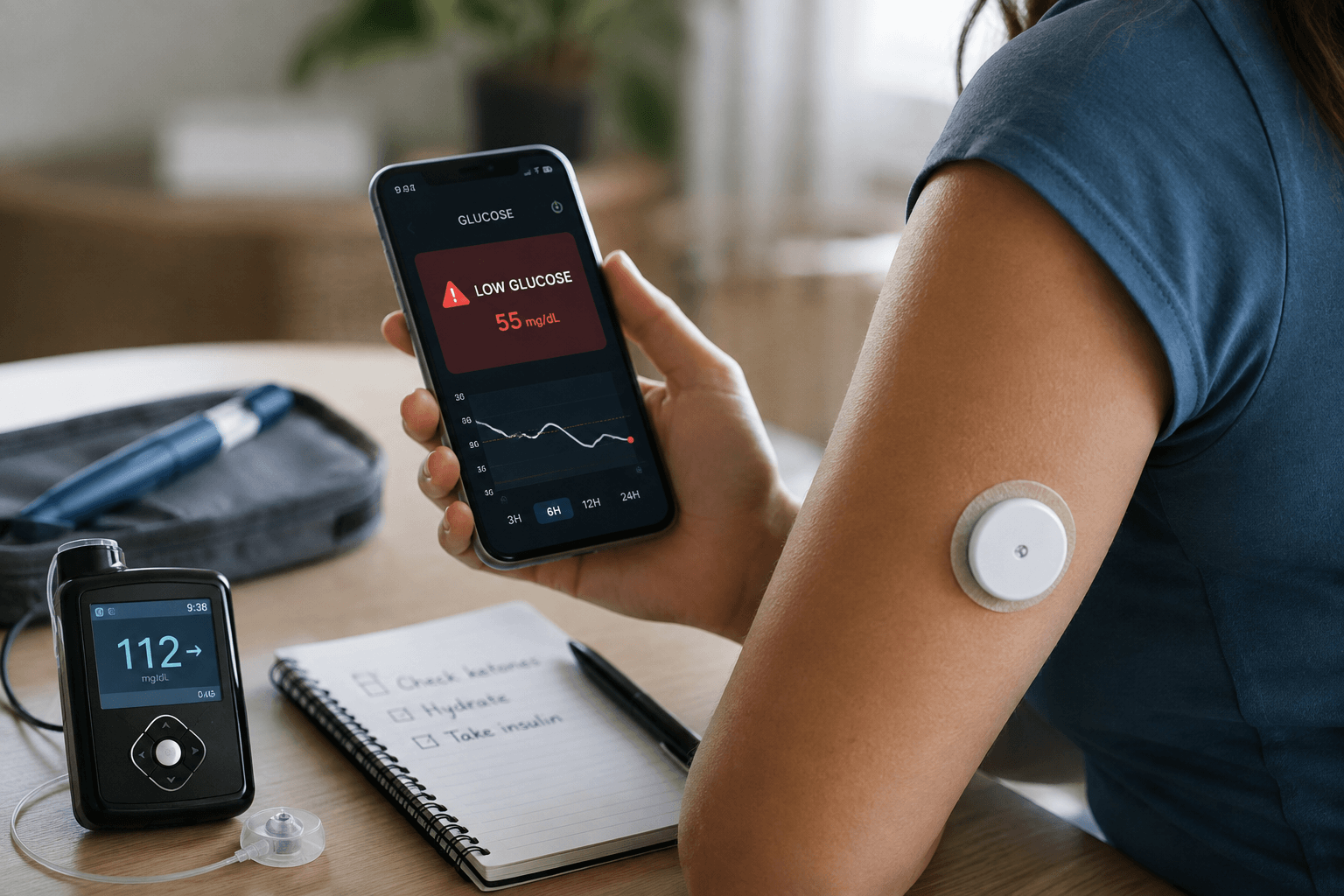
Continuous glucose monitoring has changed how clinicians and people with diabetes think about glucose control. Yet the next question is more important than whether CGM improves A1C or Time in Range. Can it prevent events that send patients to the emergency department or hospital? Growing evidence suggests that CGM may …
Read More »
Aug 26, 2026
Articles, Blood Glucose Control, Blood Glucose Control, Devices, Diabetes, Insulin Therapy Center
1,720 views
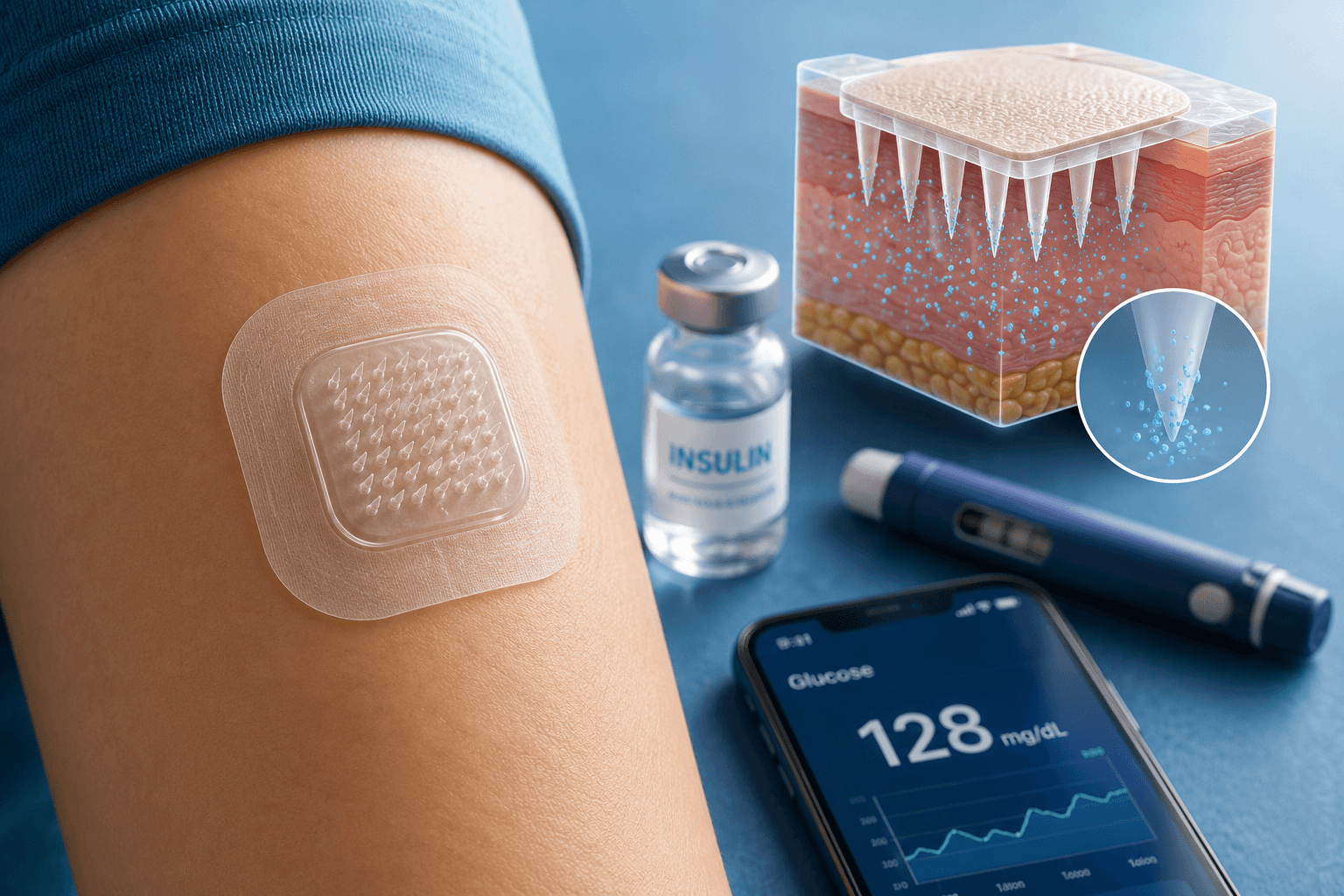
For millions of people who use injectable diabetes medications, treatment can mean living with needles every day. What if a small skin patch could eventually deliver insulin or other therapies with far less discomfort? Researchers studying microneedle patches for diabetes hope to make that possibility practical. These experimental patches use …
Read More »
Aug 24, 2026
Articles, Blood Glucose Control, Blood Glucose Control, Diabetes, Physician oriented, SGLT-2 Therapy Center
1,648 views
For people with diabetes, an unexpected glucose spike may have a less obvious cause than food or missed medication. Dehydration and high blood sugar can create a self-reinforcing cycle. When the body loses too much fluid, glucose becomes more concentrated in the bloodstream. At the same time, rising glucose can …
Read More »
Aug 21, 2026
Articles, Blood Glucose Control, Blood Glucose Control, Diabetes
5,392 views
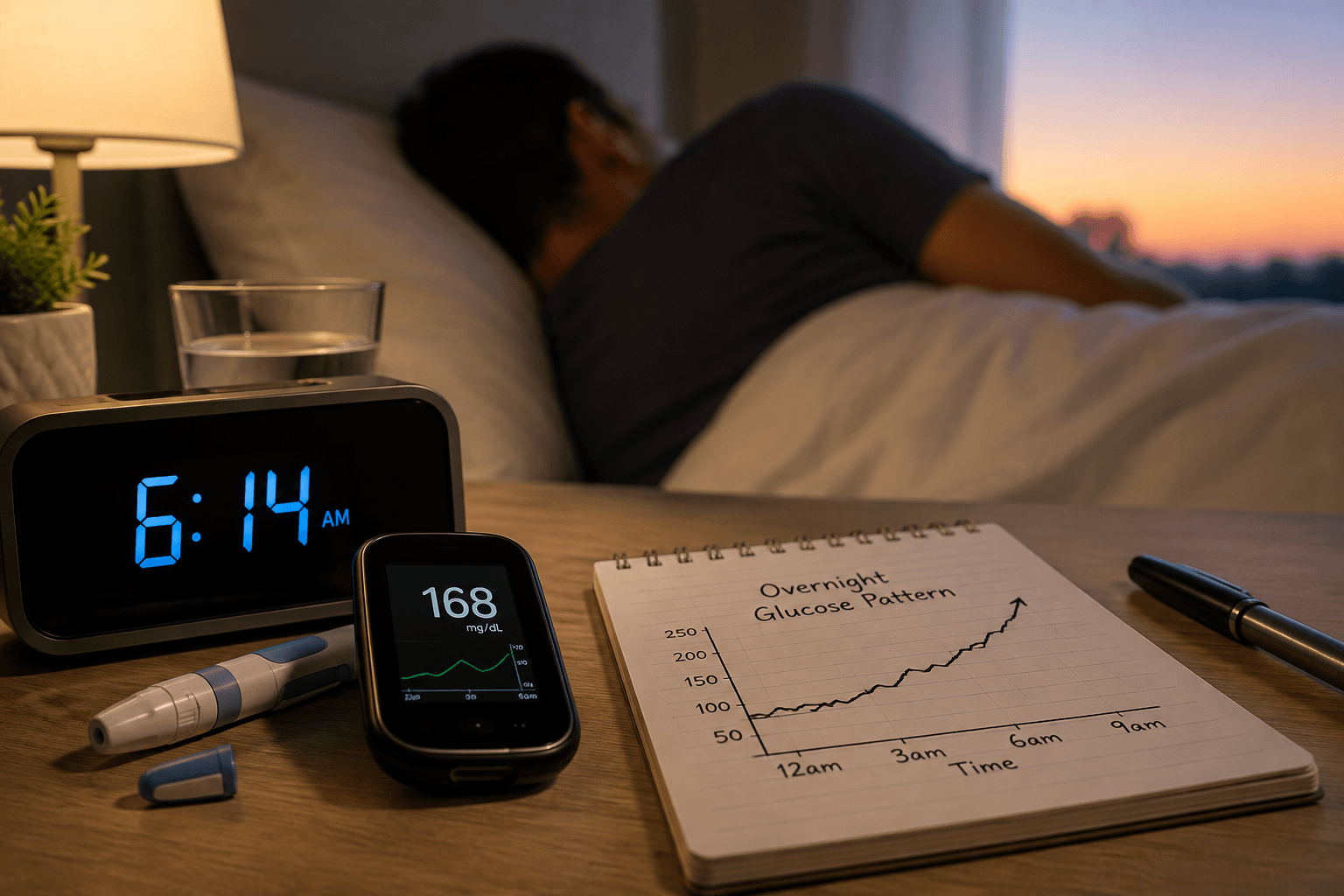
You went to bed with your blood sugar in range, skipped the midnight snack, and still woke up high. What happened? For many people with diabetes, natural early-morning hormone changes may be responsible. Understanding the dawn phenomenon can help you recognize this pattern and discuss safe ways to improve morning …
Read More »
Aug 21, 2026
Articles, Blood Glucose Control, Blood Glucose Control, Diabetes, Exercise, Physical Activity, Type 2 Diabetes, Type 2 Diabetes
1,603 views
Finding time for a full workout can be difficult, but what if two minutes of movement still mattered? Emerging research on exercise snacking for diabetes suggests that brief bursts of activity spread throughout the day may reduce post-meal glucose excursions and limit some metabolic effects of prolonged sitting. Instead of …
Read More »
Aug 14, 2026
Articles, Blood Glucose Control, Diabetes, Therapies
736 views
Diabetes care has traditionally focused on what patients eat, how much they exercise, and which medications they use. However, a growing field adds another question: when do these things happen? Research into circadian medicine in diabetes care suggests that the body’s internal clock may influence insulin sensitivity, glucose tolerance, hormone …
Read More »
Aug 13, 2026
Articles, Blood Glucose Control, Blood Glucose Control, Devices, Diabetes, Insulin Therapy Center, Type 1 Diabetes, Type 1 Diabetes
1,677 views
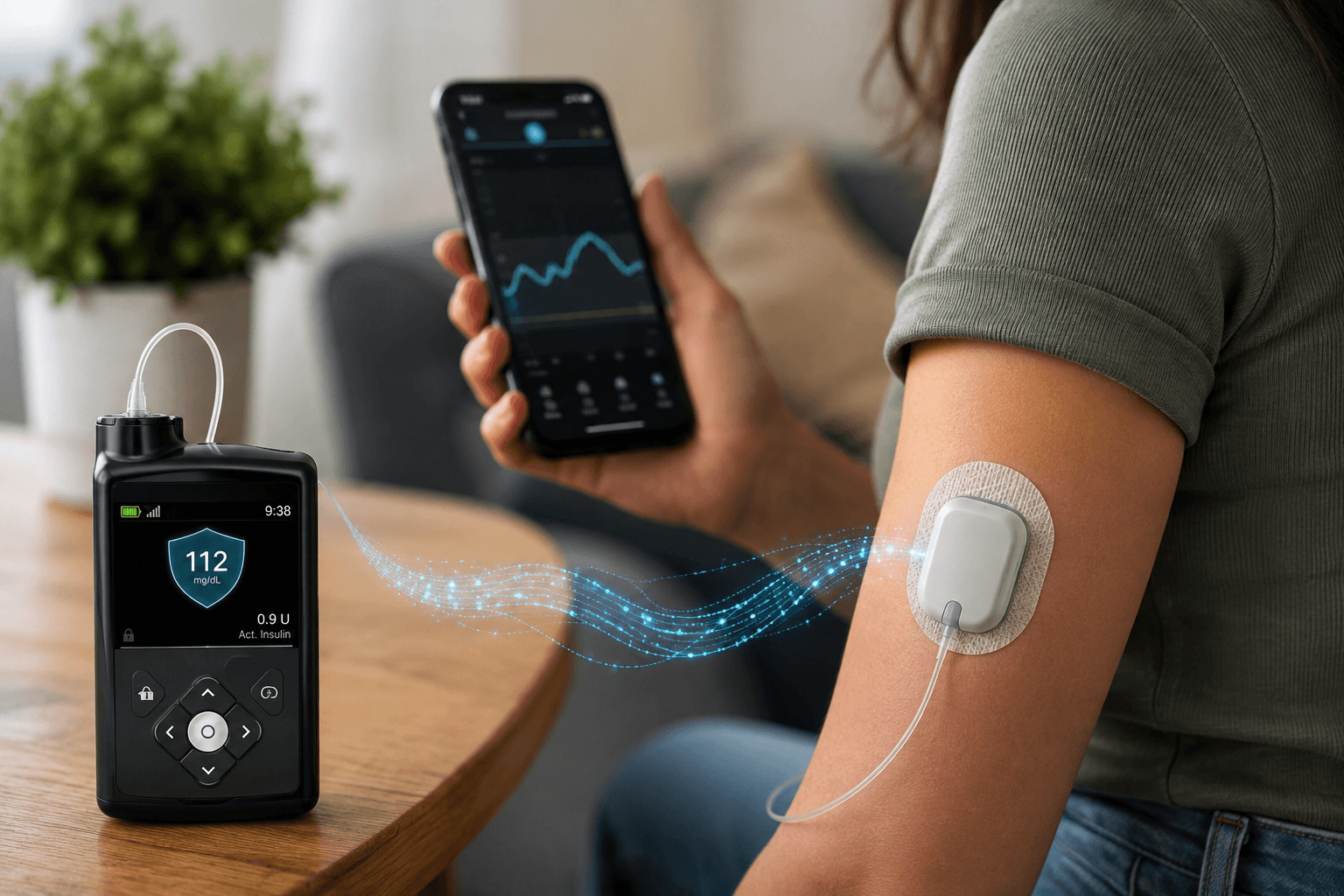
Artificial intelligence is entering diabetes care in a surprisingly quiet way. Rather than appearing as a chatbot or separate decision-support tool, increasingly sophisticated algorithms are being built into automated insulin delivery systems. Adaptive insulin pump hardware can work with continuous glucose monitor (CGM) data, recent insulin delivery, and changing glucose …
Read More »
 Diabetes In Control. A free weekly diabetes newsletter for Medical Professionals. News and information for Medical Professionals.