Dec 20, 2025
Blood Glucose Control, Diabetes, Practice Management, Type 1 Diabetes, Type 2 Diabetes
1,495 views
Telemedicine for diabetes management has transformed the landscape of chronic care. As healthcare systems integrate digital solutions beyond the pandemic, one thing is clear: virtual visits are here to stay. But making telehealth work for diabetes requires more than video calls—it demands structure, thoughtful planning, and patient-centered design. This article …
Read More »
Dec 20, 2025
Articles, Blood Glucose Control, Diabetes, Therapies, Type 2 Diabetes, Type 2 Diabetes
3,581 views
The future of diabetes care hinges on personalized support—and that includes updates to how we educate and empower patients. With the American Diabetes Association’s (ADA) 2025 Standards of Care redefining the framework, education for self-managing diabetes in 2026 is no longer a one-time intervention but a lifelong journey. Clinicians, educators, …
Read More »
Dec 20, 2025
Articles, Blood Glucose Control, Diabetes, Prevention, Type 2 Diabetes, Type 2 Diabetes
2,227 views
Social determinants of health in diabetes, like food insecurity and housing instability, are often the invisible drivers behind high A1C levels and missed appointments. Yet these critical factors are rarely addressed during routine visits. What if a few simple questions could lead to better glycemic control and fewer complications? This …
Read More »
Dec 11, 2025
Articles, Blood Glucose Control, Geriatric Medicine, Therapies, Type 2 Diabetes
8,324 views
As more patients with diabetes achieve and maintain glycemic targets, the conversation is shifting from “how can we intensify therapy?” to “when is it safe and appropriate to de‑intensify diabetes therapy?” De‑intensify diabetes therapy is becoming a high‑value clinical goal for many clinicians caring for adults with type 2 diabetes, …
Read More »
Dec 11, 2025
Articles, Blood Glucose Control, Diabetes, Diet and Nutrition, Type 2 Diabetes, Type 2 Diabetes
2,516 views
Clinicians often hear patients ask, “What should I eat?” Yet, the focus on low sugar alone can leave both patients and providers frustrated. The term “low sugar” lacks nuance, and without context, it doesn’t translate into an actionable plan for people living with diabetes. What clinicians really need are clear, …
Read More »
Dec 11, 2025
Articles, Blood Glucose Control, Diabetes, Obesity, Type 2 Diabetes, Type 2 Diabetes
1,333 views
In clinical practice, the link between sleep apnea diabetes screening and improved patient outcomes is becoming increasingly clear. Obstructive sleep apnea (OSA) is both a contributor to and a consequence of poor glycemic control, yet it remains under‑recognized in diabetes management. If clinicians fail to screen for sleep apnea in …
Read More »
Dec 11, 2025
Articles, Blood Glucose Control, Diabetes, Exercise, Physical Activity, Therapies, Type 2 Diabetes, Type 2 Diabetes
1,544 views
Exercise is a cornerstone of type 2 diabetes care, yet clinicians often struggle with translating broad guidelines into practical, individualized “exercise prescriptions.” The focus keyword in this article, exercise prescription for type 2 diabetes, reflects a high‑intent search term that clinicians, diabetes educators, and patients frequently use when seeking actionable …
Read More »
Dec 4, 2025
Articles, Blood Glucose Control, Blood Glucose Control, Devices, Diabetes, Type 1 Diabetes, Type 1 Diabetes, Type 2 Diabetes, Type 2 Diabetes
1,769 views
For decades, clinicians have relied on A1C as the primary benchmark for diabetes control. Yet many patients and providers now wonder: does a single quarterly number truly reflect daily glucose fluctuations and risks? As continuous glucose monitoring (CGM) becomes more accessible, the metric known as Time in Range (TIR) has …
Read More »
Dec 4, 2025
Articles, Blood Glucose Control, Devices, Diabetes, Physician oriented, Type 2 Diabetes
1,272 views
Could continuous glucose monitoring (CGM) soon become the norm in primary care? Once considered a specialty tool reserved for endocrinologists, CGM is now recommended far earlier in diabetes treatment — even for patients with type 2 diabetes on basal insulin alone. Despite these guideline shifts, primary care adoption has lagged. …
Read More »
Dec 4, 2025
Articles, Blood Glucose Control, Diabetes, Insulin Therapy Center, Therapies, Type 2 Diabetes
1,218 views
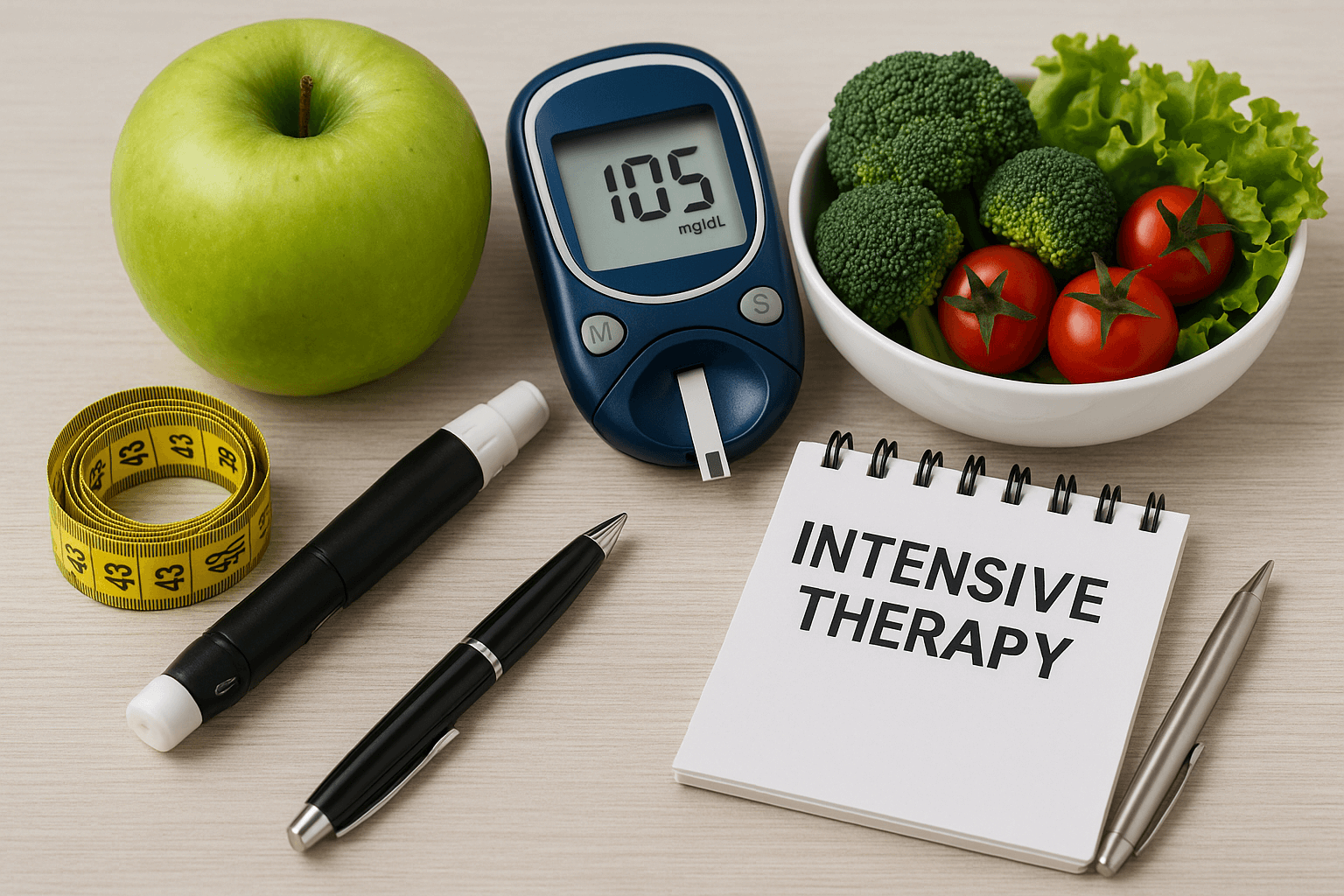
Could the conventional “lifelong treatment” model for type 2 diabetes be rethought? Recent trials suggest that short‑term intensive therapy may offer more than transient glycemic control—it might trigger lasting remission in newly diagnosed patients. Such interventions, combining aggressive pharmacologic therapy or insulin with lifestyle change, show potential to preserve β‑cell …
Read More »
 Diabetes In Control. A free weekly diabetes newsletter for Medical Professionals. News and information for Medical Professionals.