Feb 4, 2026
AI-news, Articles, Blood Glucose Control, Blood Glucose Control, Devices, Diabetes, Type 2 Diabetes, Type 2 Diabetes
1,644 views
What if your next diabetes appointment started before you even walked in—an algorithm already having reviewed your CGM data, flagged risks, and drafted a care plan? That’s not science fiction. It’s the emerging reality of AI-powered workflows for diabetes care, where intelligent systems work behind the scenes to support clinicians …
Read More »
Jan 29, 2026
AI-news, Articles, Blood Glucose Control, Blood Glucose Control, Devices, Diabetes, Featured, Type 1 Diabetes, Type 1 Diabetes, Type 2 Diabetes, Type 2 Diabetes
1,984 views
Artificial intelligence (AI) is transforming many aspects of diabetes care, and smart insulin management powered by AI is quickly becoming one of its most promising innovations. Tools that read continuous glucose monitor (CGM) data and suggest insulin changes are rapidly entering clinical use. But while these tools are powerful, they …
Read More »
Jan 28, 2026
Articles, Blood Glucose Control, Blood Glucose Control, Diabetes, Featured, Obesity, Type 2 Diabetes, Type 2 Diabetes, Women's Health
4,002 views
Menopause marks a major transition in a woman’s life, defined not only by the end of menstrual cycles but also by profound hormonal and metabolic changes. One often under‑recognized shift is the acceleration of cardiometabolic risk. Women in midlife frequently experience increased central adiposity, changes in glucose regulation, rising blood …
Read More »
Jan 20, 2026
Articles, Blood Glucose Control, Blood Glucose Control, Devices, Diabetes, Type 1 Diabetes, Type 1 Diabetes
5,920 views
Diabetic ketoacidosis (DKA) continues to be one of the most dangerous acute complications faced by people with diabetes, particularly those on insulin or SGLT2 inhibitors. While traditional approaches rely on intermittent blood ketone checks, a new frontier is emerging—continuous ketone monitoring for DKA prevention. This article explores how this technology …
Read More »
Jan 16, 2026
AI-news, Articles, Blood Glucose Control, Devices, Diabetes, Top Articles, Type 1 Diabetes, Type 1 Diabetes, Type 2 Diabetes, Type 2 Diabetes
4,284 views
AI decision support in diabetes care is reshaping how clinicians manage continuous glucose monitoring (CGM) and insulin dosing. These tools deliver quick data-driven recommendations, raising key questions: How do we preserve clinical judgment? Where does AI end and provider expertise begin? This article explains how to safely evaluate and use …
Read More »
Jan 16, 2026
Articles, Blood Glucose Control, Blood Glucose Control, Diabetes, Diet and Nutrition, Feature, Physical Activity, Top Articles, Type 2 Diabetes, Type 2 Diabetes
2,781 views
With the release of the ADA 2026 diabetes sleep guidelines, the American Diabetes Association has officially elevated sleep and circadian rhythm health to core pillars of diabetes care—right alongside nutrition, physical activity, and medication. These new standards mark a significant shift toward more holistic and behavioral-focused approaches to managing diabetes. …
Read More »
Jan 9, 2026
Articles, Blood Glucose Control, Blood Glucose Control, Devices, Diabetes, Type 1 Diabetes, Type 2 Diabetes
5,934 views
With diabetes technology evolving rapidly, clinicians face more choices than ever before. From continuous glucose monitors (CGMs) to insulin pumps and patch devices, today’s tools can transform diabetes care—but only when matched to the right patient. This article provides a comprehensive diabetes technology comparison, helping you understand each option’s features, …
Read More »
Jan 9, 2026
Articles, Blood Glucose Control, Blood Glucose Control, Diabetes, Therapies, Type 2 Diabetes, Type 2 Diabetes
2,464 views
Imagine reducing your patients’ insulin injections from 365 a year to just 52. That’s the promise of once‑weekly insulin — a next-generation option designed to simplify treatment, enhance adherence, and improve patient outcomes. While this innovation is gaining traction, many healthcare providers still have questions about when and how to …
Read More »
Jan 9, 2026
Articles, Blood Glucose Control, Blood Glucose Control, Diabetes, Type 1 Diabetes, Type 1 Diabetes
1,776 views
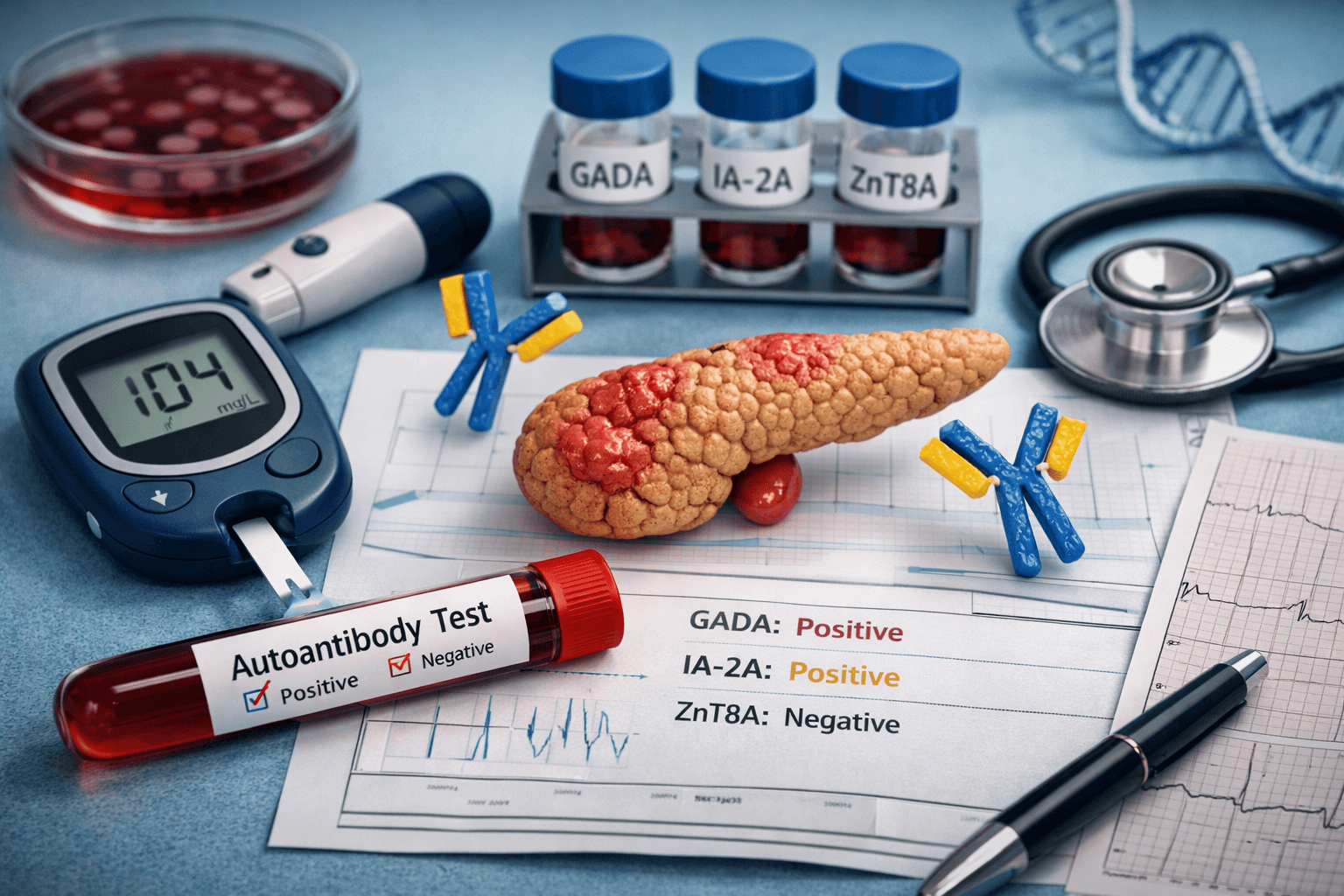
Type 1 diabetes doesn’t have to be a surprise. Thanks to type 1 diabetes autoantibody screening, clinicians can now identify individuals at high risk before symptoms even appear. This early detection opens doors for proactive monitoring, patient education, and potentially delaying or preventing full-blown disease. But who should be screened? …
Read More »
Jan 2, 2026
Articles, Blood Glucose Control, Blood Glucose Control, Diabetes, Prevention, Type 2 Diabetes, Type 2 Diabetes
6,976 views
Hospital discharge marks a critical juncture in the care of people with diabetes. It’s a period often riddled with risk—confusion about medications, fluctuating blood sugar levels, and a lack of follow-up can easily derail recovery. As clinicians, how can we improve post-discharge outcomes and reduce readmissions? This practical checklist offers …
Read More »
 Diabetes In Control. A free weekly diabetes newsletter for Medical Professionals. News and information for Medical Professionals.