Mar 9, 2026
Articles, Blood Glucose Control, Blood Glucose Control, GLP- 1 Agonist Therapy Center, Ophthalmology, Type 2 Diabetes, Type 2 Diabetes
2,131 views
GLP-1 receptor agonists and dual incretin therapies are transforming diabetes care. These medications often produce significant and rapid improvements in glycemic control, sometimes lowering A1C levels faster than traditional treatments. However, clinicians have begun asking an important question: could rapid A1C reduction with GLP-1 therapy increase retinopathy risk in some …
Read More »
Mar 6, 2026
Articles, Blood Glucose Control, Blood Glucose Control, Diabetes, Safety, Sulfonylurea, Type 2 Diabetes, Type 2 Diabetes
3,877 views
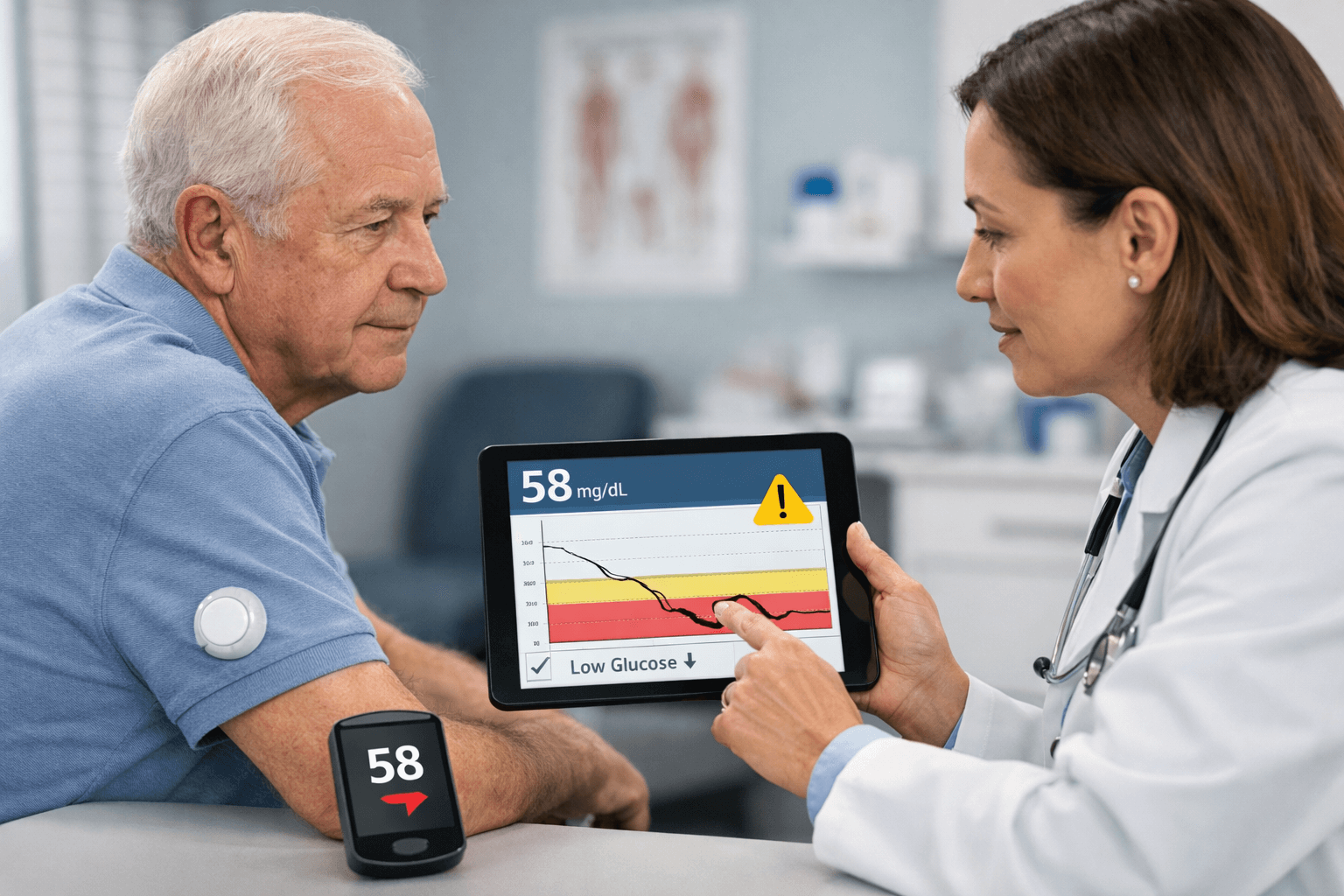
Managing the risk of hypoglycemia remains a central challenge in diabetes care, even as newer therapies lower the rate of severe events. Although GLP-1 receptor agonists and SGLT2 inhibitors have reshaped treatment strategies, insulin and sulfonylureas are still widely used, especially among older adults and patients with chronic kidney disease …
Read More »
Mar 6, 2026
Articles, Blood Glucose Control, Blood Glucose Control, Devices, Diabetes
2,196 views
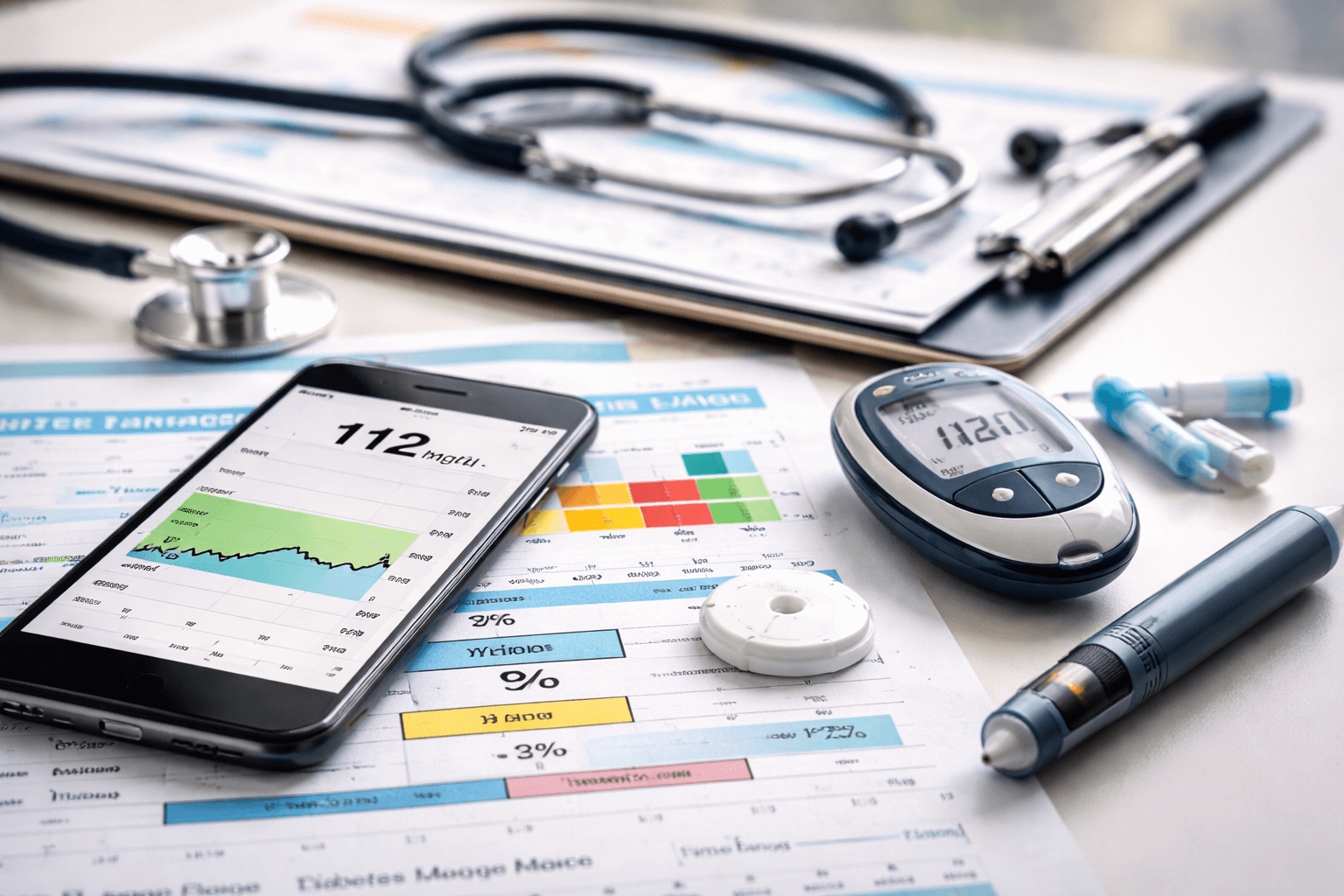
Continuous glucose monitoring has transformed diabetes care, but are we fully using the data it provides? In 2026, time in range is moving beyond a simple CGM metric and becoming a formal therapeutic target in diabetes care. While A1C remains important, time in range (TIR) offers a more dynamic and …
Read More »
Mar 5, 2026
Articles, Blood Glucose Control, Blood Glucose Control, Diabetes, Therapies, Type 2 Diabetes, Type 2 Diabetes
2,167 views
When managing type 2 diabetes, should clinicians still begin with one medication and wait for treatment failure before intensifying therapy? Increasingly, evidence suggests that early combination therapy in type 2 diabetes may provide better durability, faster glycemic control, and improved cardiovascular and kidney outcomes in high-risk patients. While metformin monotherapy …
Read More »
Mar 4, 2026
Articles, Blood Glucose Control, Blood Glucose Control, Diabetes, Exercise, Physical Activity, Type 2 Diabetes, Type 2 Diabetes
1,759 views
As GLP-1 receptor agonists become a mainstay in type 2 diabetes and obesity care, more patients are pairing medication with structured training programs. However, how do GLP-1 medications actually influence metabolism during exercise? Questions about fueling, endurance, fatigue, and muscle adaptation are becoming more common in clinical practice. The relationship …
Read More »
Feb 26, 2026
Articles, Blood Glucose Control, Blood Glucose Control, Diabetes, Insulin Therapy Center, Type 2 Diabetes, Type 2 Diabetes
1,781 views
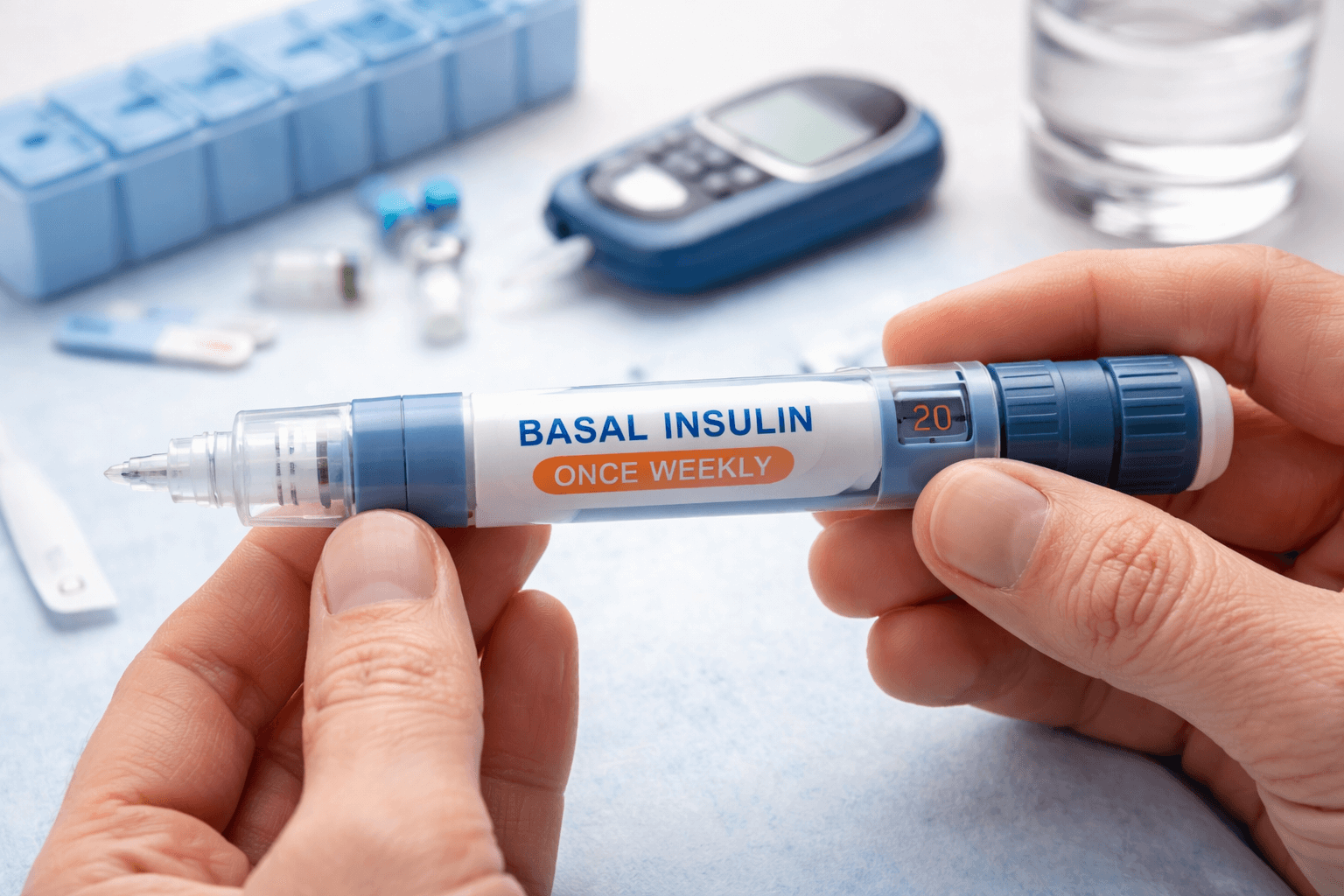
The arrival of a once-weekly basal insulin option marks one of the most meaningful advances in insulin therapy in decades. For years, daily basal injections have been the standard of care for people with type 1 and type 2 diabetes. However, many patients struggle with adherence, missed doses, and therapeutic …
Read More »
Feb 20, 2026
Articles, Blood Glucose Control, Blood Glucose Control, Diabetes, Diet and Nutrition, Prevention
4,715 views
Diabetes management often begins with nutrition advice. However, what happens when patients cannot afford fresh produce or live miles from a grocery store? For many people living with diabetes, food insecurity is a growing yet underrecognized barrier to glycemic control. While clinicians routinely discuss carbohydrate counting and meal planning, they …
Read More »
Feb 20, 2026
Articles, Blood Glucose Control, Blood Glucose Control, Devices, Diabetes, Type 1 Diabetes, Type 1 Diabetes, Type 2 Diabetes, Type 2 Diabetes
1,315 views
Continuous glucose monitoring was once reserved for endocrinology clinics. Today, integrating CGM into primary care is essential as guidelines recommend earlier and broader use in both type 1 and type 2 diabetes. Yet many clinicians still feel unsure about how to interpret reports or fit CGM into a busy visit. …
Read More »
Feb 19, 2026
Articles, Blood Glucose Control, Blood Glucose Control, Diabetes, Prevention
2,134 views
Hospital discharge should mark a fresh start. However, for many patients, the period after a diabetes hospital discharge becomes a danger zone. The days following a hospital discharge for diabetes are often marked by hypoglycemia, medication confusion, and missed follow-up visits. In fact, the first 30 days often determine whether …
Read More »
Feb 18, 2026
Articles, Blood Glucose Control, Blood Glucose Control, Diabetes, Type 2 Diabetes, Type 2 Diabetes
2,070 views
GLP-1 receptor agonists have transformed type 2 diabetes care, improving glycemic control, supporting weight loss, and reducing cardiovascular risk. However, disparities in GLP-1 use and access are becoming harder to ignore. Why do some patients gain access quickly while others face barriers at every step? Data suggest that prescribing patterns …
Read More »
 Diabetes In Control. A free weekly diabetes newsletter for Medical Professionals. News and information for Medical Professionals.