2 days ago
Articles, Blood Glucose Control, Blood Glucose Control, Cardiology, Diabetes, Physician oriented, Prevention
3,168 views
Low potassium is usually viewed through a cardiovascular lens, especially in patients with heart failure. However, emerging evidence suggests clinicians may have another reason to pay attention. New research examining the relationship between hypokalemia and diabetes risk found that lower serum potassium levels were associated with a greater risk of …
Read More »
3 days ago
Articles, Blood Glucose Control, Blood Glucose Control, Cardiology, Nephrology, Safety, SGLT-2 Therapy Center, Type 1 Diabetes, Type 1 Diabetes
1,375 views
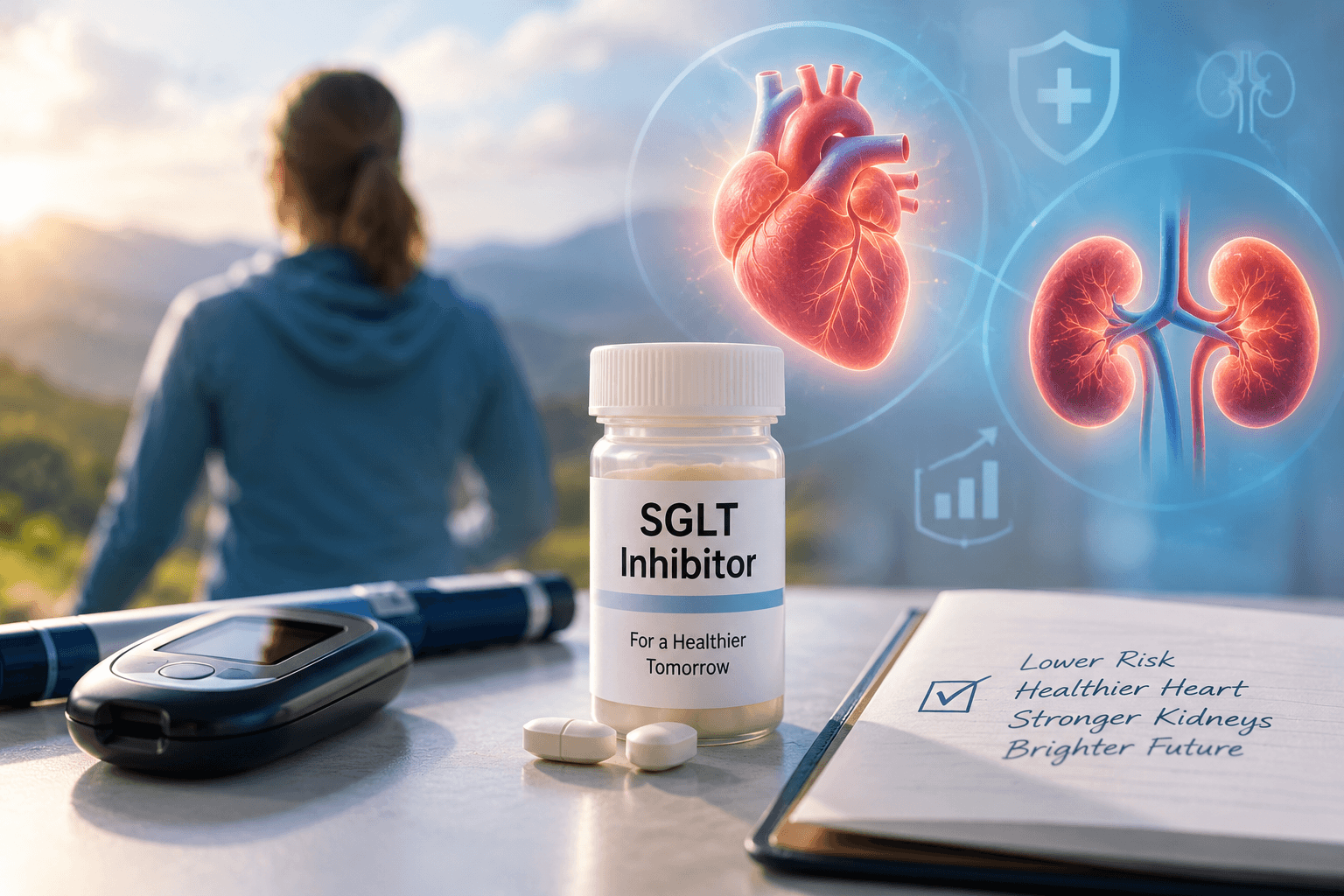
SGLT inhibitors have changed the treatment landscape for cardiovascular and kidney disease, particularly in people with type 2 diabetes, heart failure, and chronic kidney disease. That success raises an obvious question: why are SGLT inhibitors in type 1 diabetes still largely outside routine clinical practice? The answer is not a …
Read More »
4 days ago
Articles, Gastroenterology, GLP- 1 Agonist Therapy Center, GLP-1 Agonist Therapy Center, Neuropathy & Pain, Physician oriented, Safety, Type 2 Diabetes, Type 2 Diabetes
974 views
GLP-1 receptor agonists have transformed the treatment of type 2 diabetes, but their effects on gastrointestinal motility remain an important clinical consideration. Opioids can also slow gastrointestinal function, raising an obvious question: what happens when patients need both? New research examining GLP-1 and opioid interactions suggests that opioid choice may …
Read More »
3 weeks ago
Articles, Gestational Diabetes, Physical Activity, Prevention, Type 2 Diabetes, Type 2 Diabetes, Women's Health
686 views
Diabetes prevention remains important long after a pregnancy affected by gestational diabetes. For people who have had gestational diabetes, the years after delivery are an important window for lowering the risk of Type 2 diabetes. Yet healthy choices do not happen in a vacuum. Where someone lives may affect whether …
Read More »
3 weeks ago
Articles, Blood Glucose Control, Blood Glucose Control, Devices, Diabetes, Prevention, Safety, Type 1 Diabetes, Type 1 Diabetes
2,019 views
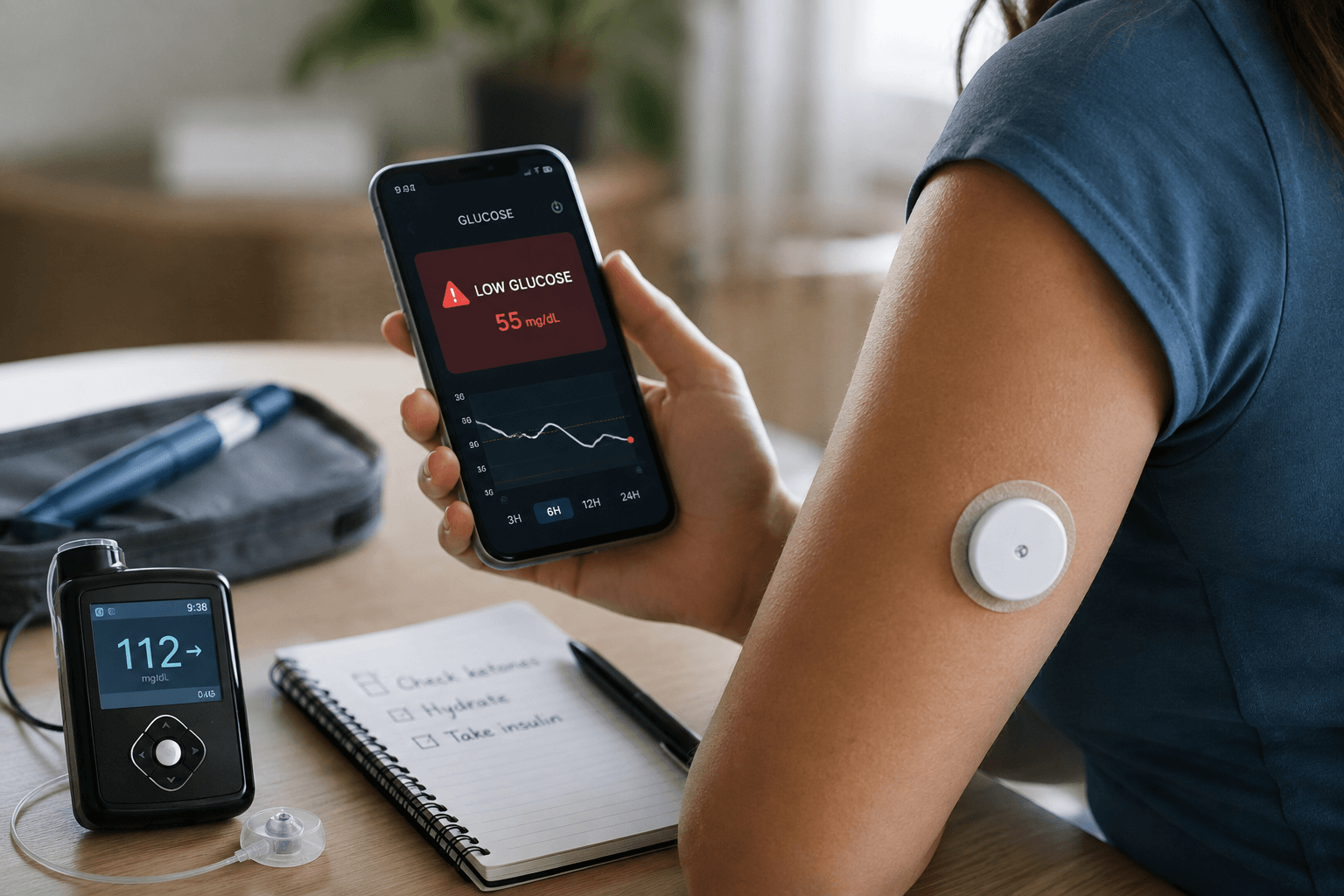
Continuous glucose monitoring has changed how clinicians and people with diabetes think about glucose control. Yet the next question is more important than whether CGM improves A1C or Time in Range. Can it prevent events that send patients to the emergency department or hospital? Growing evidence suggests that CGM may …
Read More »
3 weeks ago
Articles, Blood Glucose Control, Blood Glucose Control, Diet & Nutrition, Obesity, Prevention, Type 1 Diabetes, Type 1 Diabetes
946 views
Efforts to prevent or delay type 1 diabetes have traditionally focused on the autoimmune attack that destroys insulin-producing beta cells. However, emerging research suggests metabolic stress may also influence how quickly vulnerable people progress to clinical disease. A 2026 TrialNet analysis found that autoantibody-positive people with overweight or obesity who …
Read More »
3 weeks ago
Articles, News, Prevention, Type 1 Diabetes, Type 1 Diabetes
5,464 views
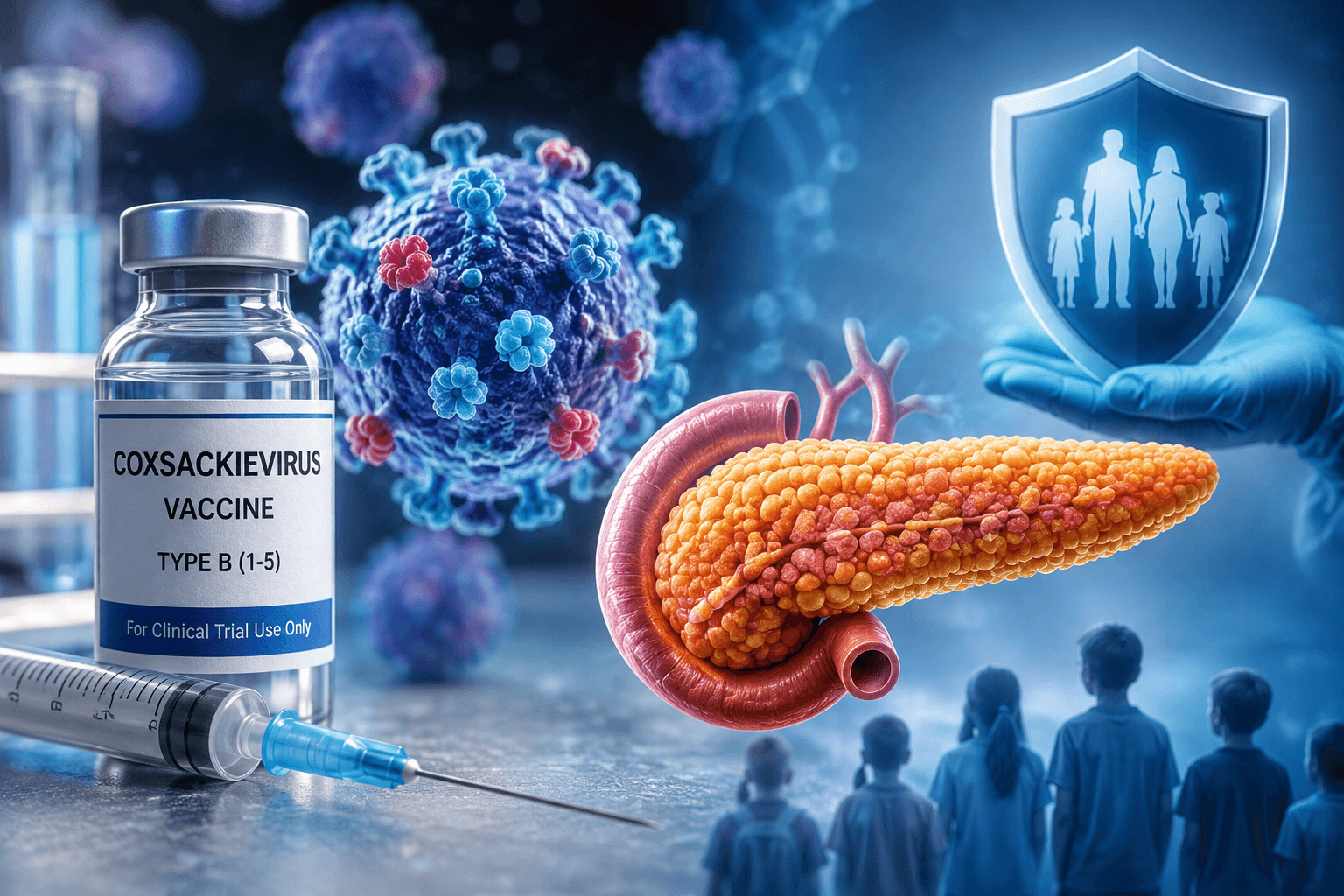
Could preventing a common viral infection also prevent some cases of type 1 diabetes? Researchers have pursued that question for decades, and the first human vaccine studies are providing important clues. The idea of using a Coxsackievirus vaccine to help prevent type 1 diabetes focuses on certain Coxsackie B viruses, …
Read More »
4 weeks ago
Articles, Diabetes, GLP- 1 Agonist Therapy Center, GLP-1 Agonist Therapy Center, News, Ophthalmology, Physician oriented, Safety
2,121 views
GLP-1 receptor agonists have transformed type 2 diabetes and obesity treatment, but a rare vision safety signal deserves clinicians’ attention. Emerging evidence has raised concerns about a potential NAION risk with GLP-1 therapy, particularly with semaglutide (Ozempic, Rybelsus, and Wegovy). Non-arteritic anterior ischemic optic neuropathy (NAION) can cause sudden, usually …
Read More »
Aug 18, 2026
Articles, Blood Glucose Control, Blood Glucose Control, Diabetes, Safety, SGLT-2 Therapy Center
4,284 views
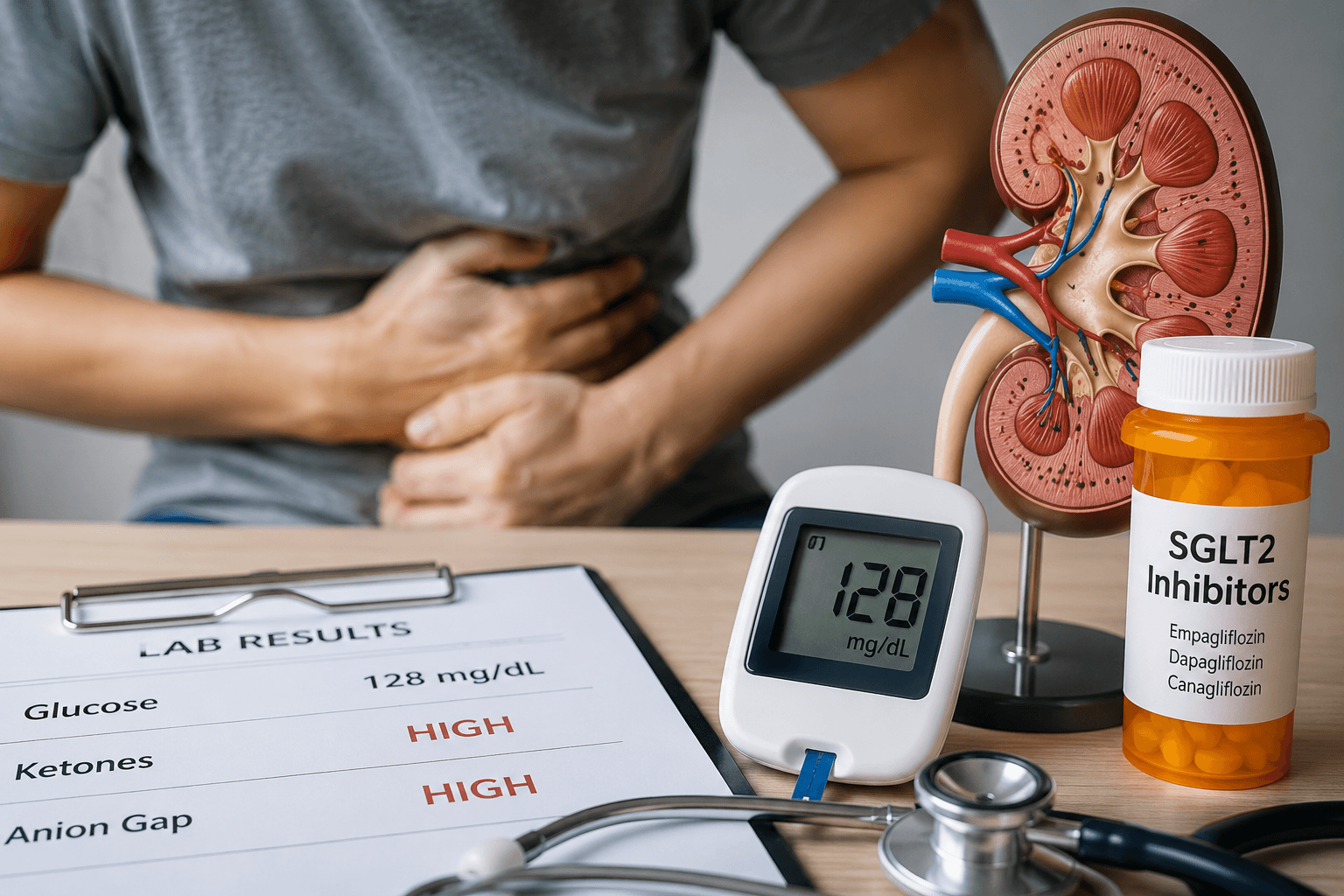
Euglycemic diabetic ketoacidosis can challenge one of the most familiar clinical shortcuts in diabetes care: DKA should come with markedly elevated glucose. In patients taking sodium-glucose cotransporter 2 (SGLT2) inhibitors, however, dangerous ketoacidosis may develop while glucose remains normal or only modestly elevated. As a result, euglycemic DKA in patients …
Read More »
Aug 18, 2026
Articles, Blood Glucose Control, Blood Glucose Control, Dermatology, Devices, Diabetes, Prevention, Safety
885 views
Continuous glucose monitors (CGMs) and insulin pumps can transform diabetes management, but the technology only works when patients can comfortably keep wearing it. CGM skin irritation can turn a valuable device into a daily source of itching, redness, pain, or damaged skin. In some cases, the reaction becomes severe enough …
Read More »
 Diabetes In Control. A free weekly diabetes newsletter for Medical Professionals. News and information for Medical Professionals.