5 days ago
Articles, Blood Glucose Control, Blood Glucose Control, Devices, Diabetes, Nephrology, Type 2 Diabetes, Type 2 Diabetes
1,475 views
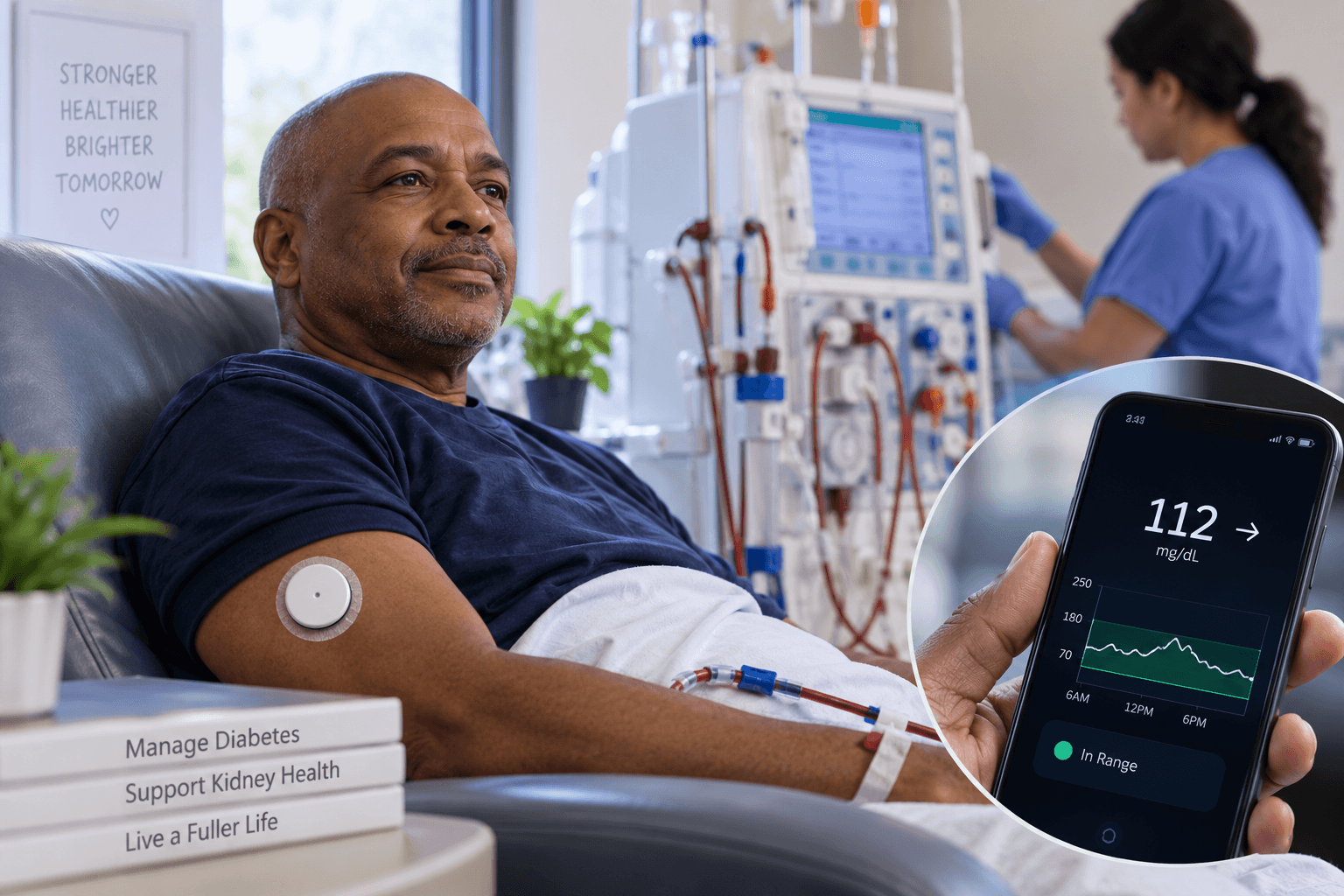
Managing glucose is rarely simple for people with Type 2 diabetes who receive maintenance hemodialysis. Dialysis can change glucose patterns, insulin needs, and the reliability of familiar measures such as A1C. As a result, clinicians may have an incomplete picture when making treatment decisions. New randomized research on CGM use …
Read More »
5 days ago
Articles, Blood Glucose Control, Blood Glucose Control, Type 1 Diabetes, Type 1 Diabetes
746 views
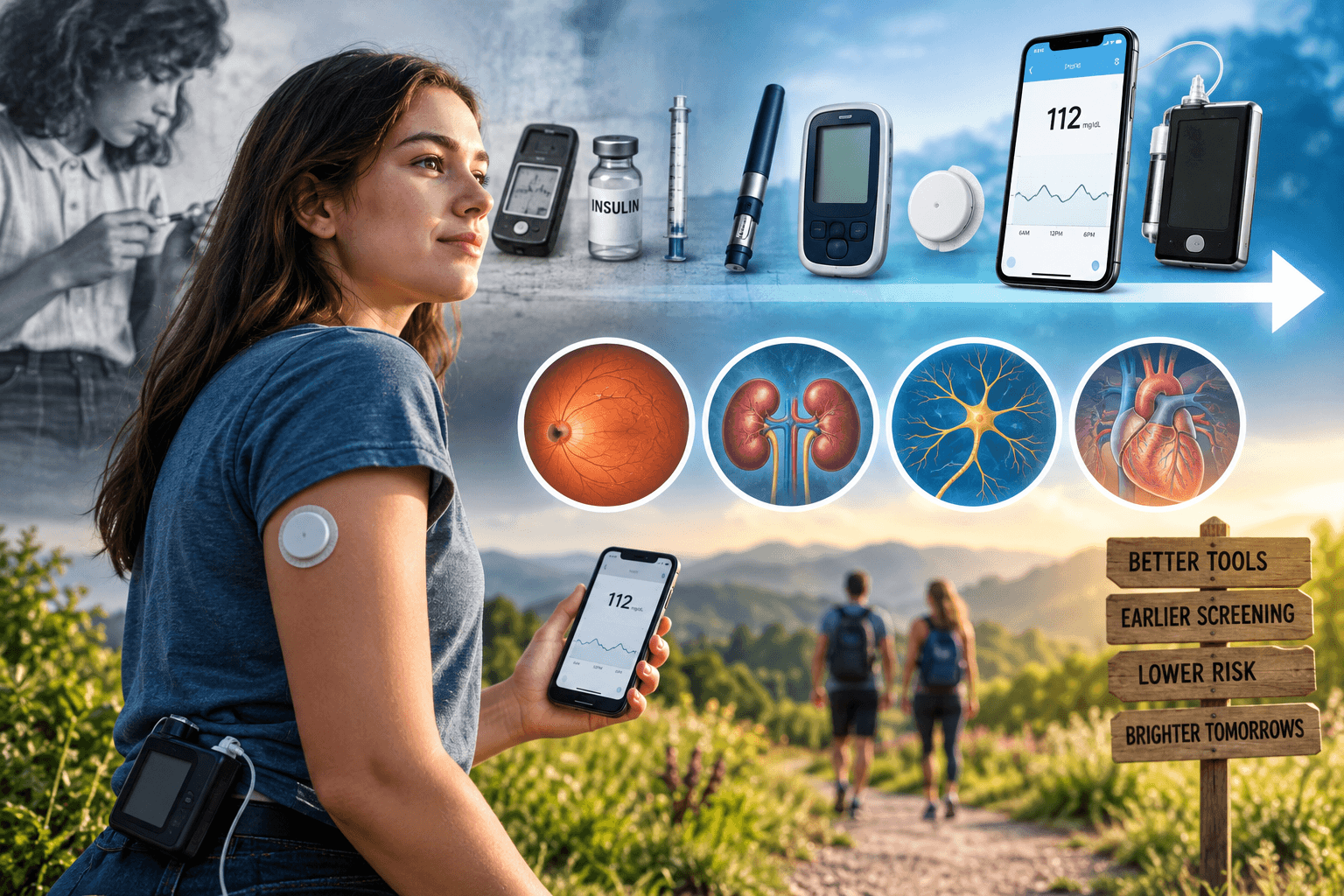
Three decades of advances in diabetes care have transformed how people with type 1 diabetes manage glucose. Insulin pumps, continuous glucose monitoring (CGM), improved insulin analogs, automated insulin delivery, and earlier screening have all changed daily treatment. However, have these advances actually reduced the long-term complications of type 1 diabetes? …
Read More »
1 week ago
Articles, Blood Glucose Control, Devices, Diet & Nutrition, Exercise, Type 2 Diabetes, Type 2 Diabetes
572 views
A diabetes app can track meals, count steps, log glucose, and deliver reminders. However, can an app actually help someone turn all that information into lasting daily habits? A recent randomized controlled trial suggests that digital diabetes coaching, with technology supported by ongoing human guidance, may help bridge that gap. …
Read More »
3 weeks ago
Articles, Blood Glucose Control, Blood Glucose Control, Devices, Diabetes, Prevention, Safety, Type 1 Diabetes, Type 1 Diabetes
2,017 views
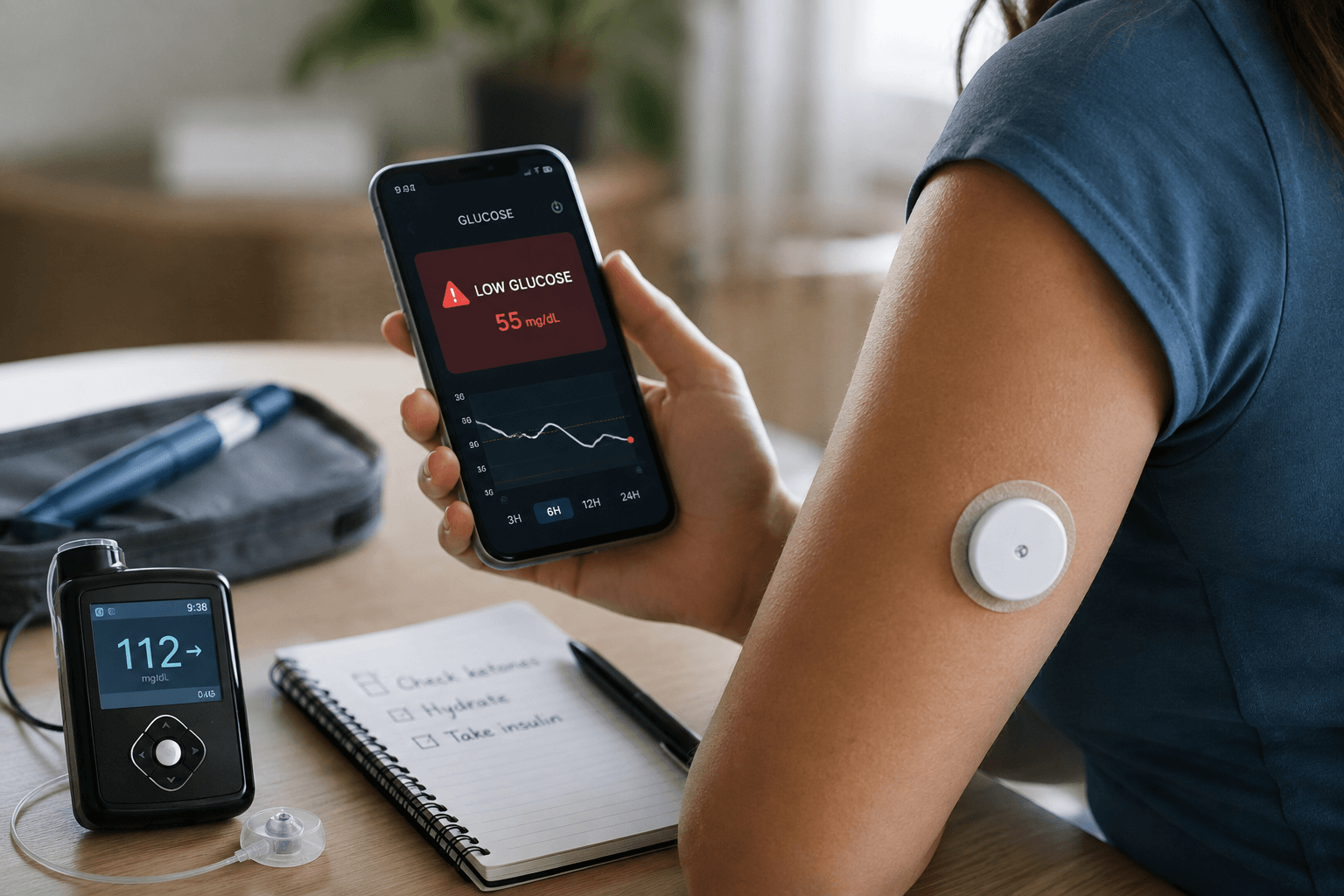
Continuous glucose monitoring has changed how clinicians and people with diabetes think about glucose control. Yet the next question is more important than whether CGM improves A1C or Time in Range. Can it prevent events that send patients to the emergency department or hospital? Growing evidence suggests that CGM may …
Read More »
4 weeks ago
Articles, Blood Glucose Control, Blood Glucose Control, Devices, Diabetes, Insulin Therapy Center
887 views
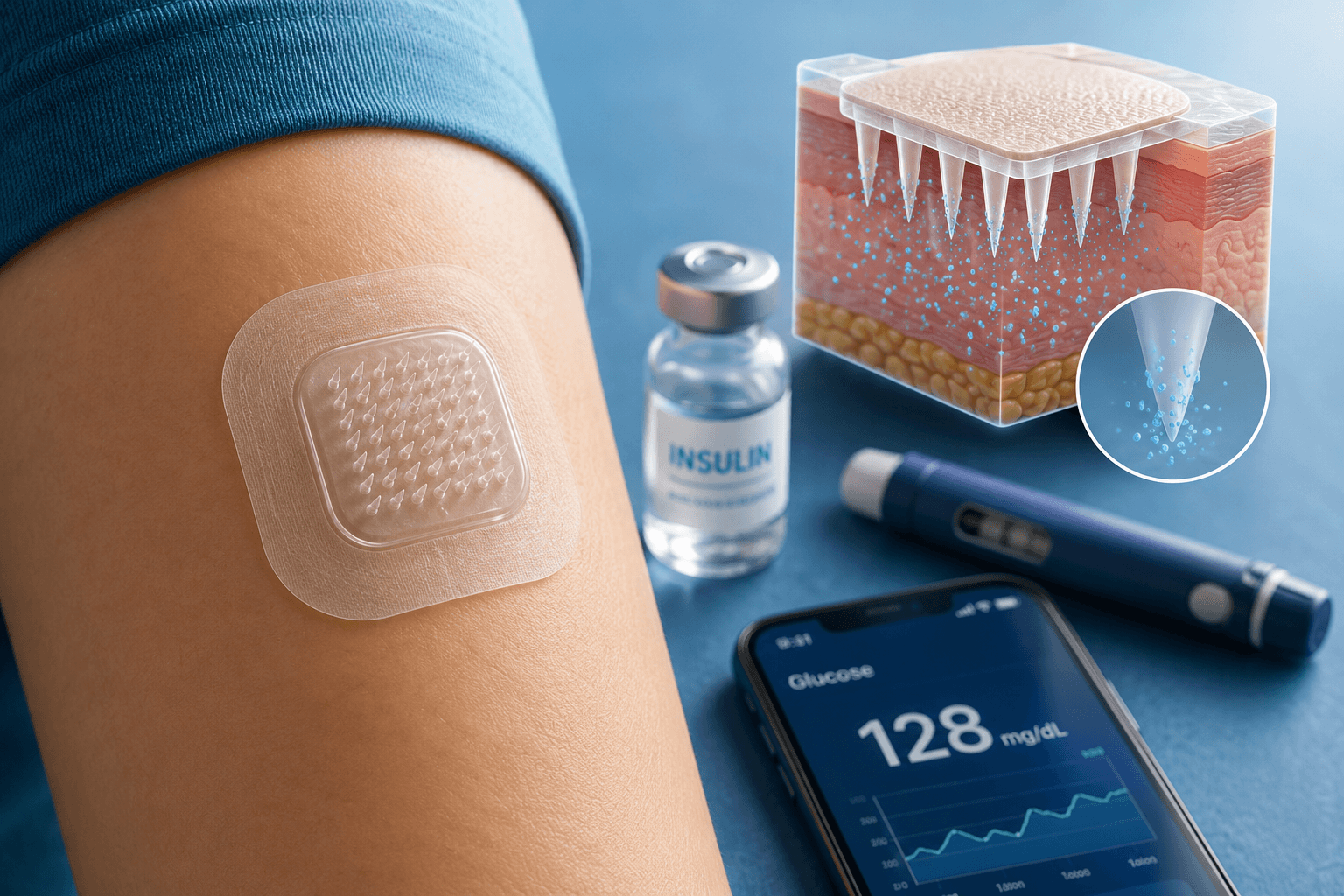
For millions of people who use injectable diabetes medications, treatment can mean living with needles every day. What if a small skin patch could eventually deliver insulin or other therapies with far less discomfort? Researchers studying microneedle patches for diabetes hope to make that possibility practical. These experimental patches use …
Read More »
Aug 18, 2026
Articles, Blood Glucose Control, Blood Glucose Control, Dermatology, Devices, Diabetes, Prevention, Safety
884 views
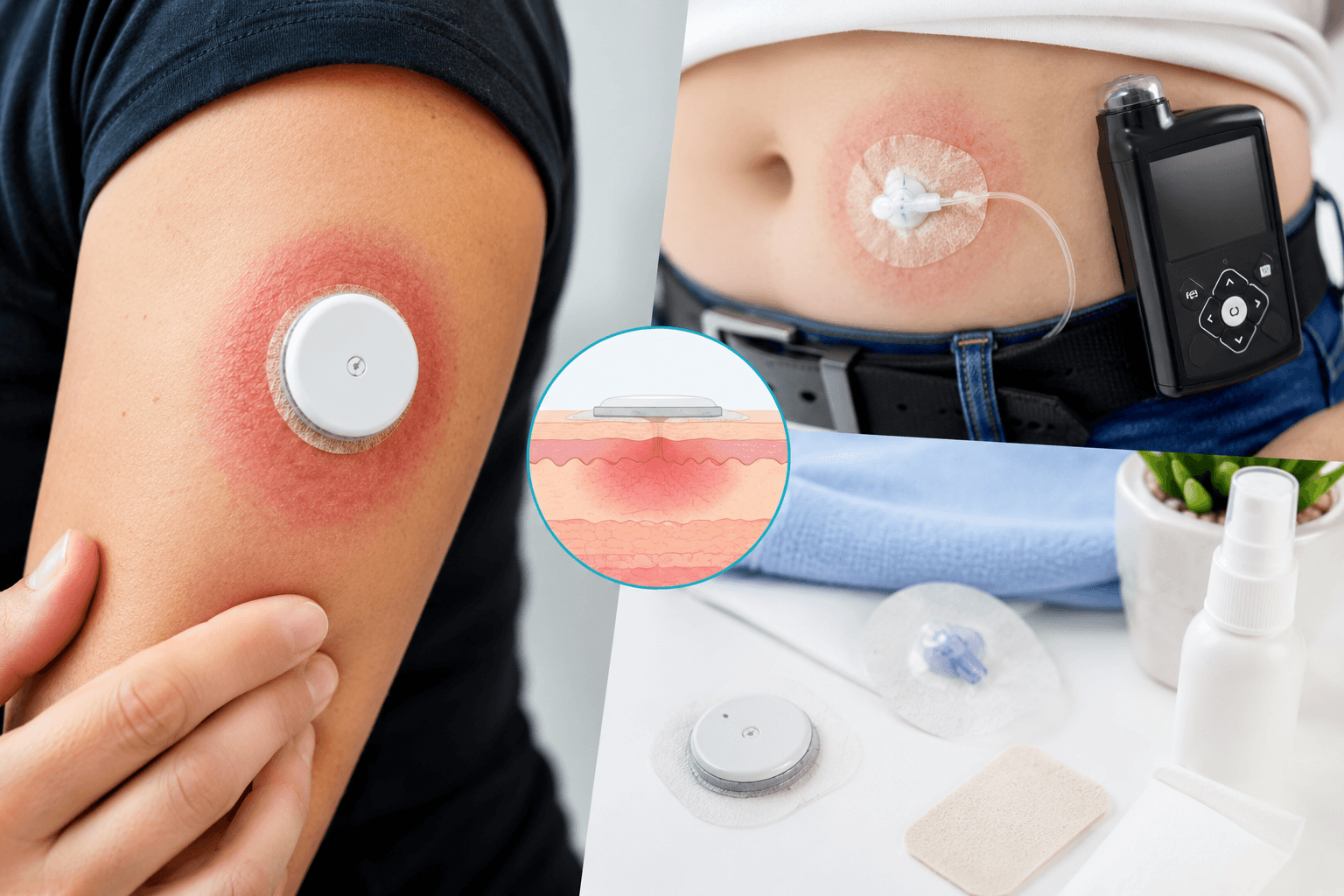
Continuous glucose monitors (CGMs) and insulin pumps can transform diabetes management, but the technology only works when patients can comfortably keep wearing it. CGM skin irritation can turn a valuable device into a daily source of itching, redness, pain, or damaged skin. In some cases, the reaction becomes severe enough …
Read More »
Aug 13, 2026
Articles, Blood Glucose Control, Blood Glucose Control, Devices, Diabetes, Insulin Therapy Center, Type 1 Diabetes, Type 1 Diabetes
1,039 views
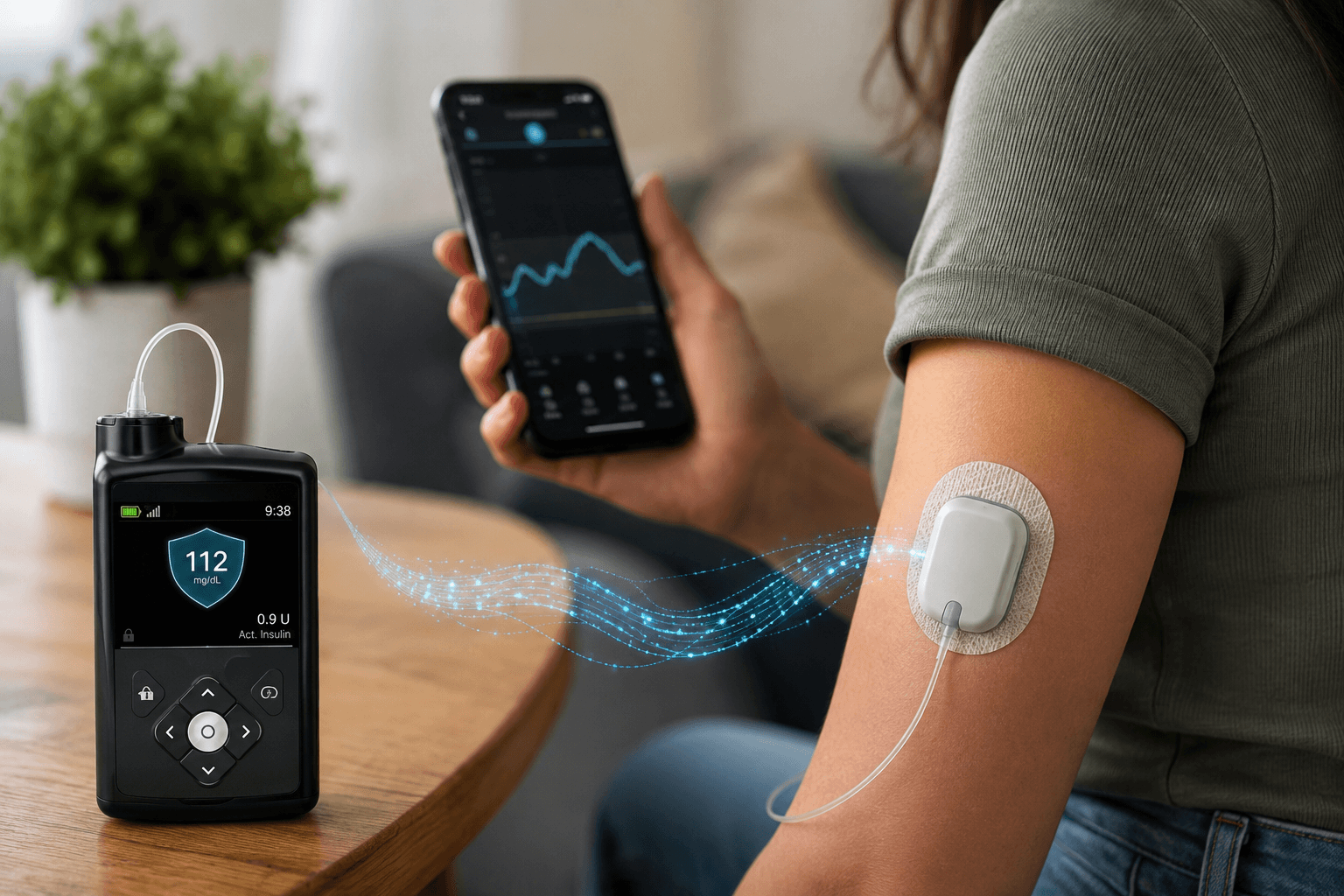
Artificial intelligence is entering diabetes care in a surprisingly quiet way. Rather than appearing as a chatbot or separate decision-support tool, increasingly sophisticated algorithms are being built into automated insulin delivery systems. Adaptive insulin pump hardware can work with continuous glucose monitor (CGM) data, recent insulin delivery, and changing glucose …
Read More »
Aug 12, 2026
Articles, Devices, Diabetes
930 views
Modern diabetes clinical trials look very different from the tightly controlled, site-centered studies clinicians relied on a decade ago. Remote visits, continuous glucose monitoring, wearable sensors, digital data collection, and broader enrollment are changing how evidence is generated. Meanwhile, newer trial designs can make studies more flexible and potentially more …
Read More »
Jul 30, 2026
Articles, Blood Glucose Control, Blood Glucose Control, Devices, Therapies, Type 1 Diabetes, Type 1 Diabetes
940 views
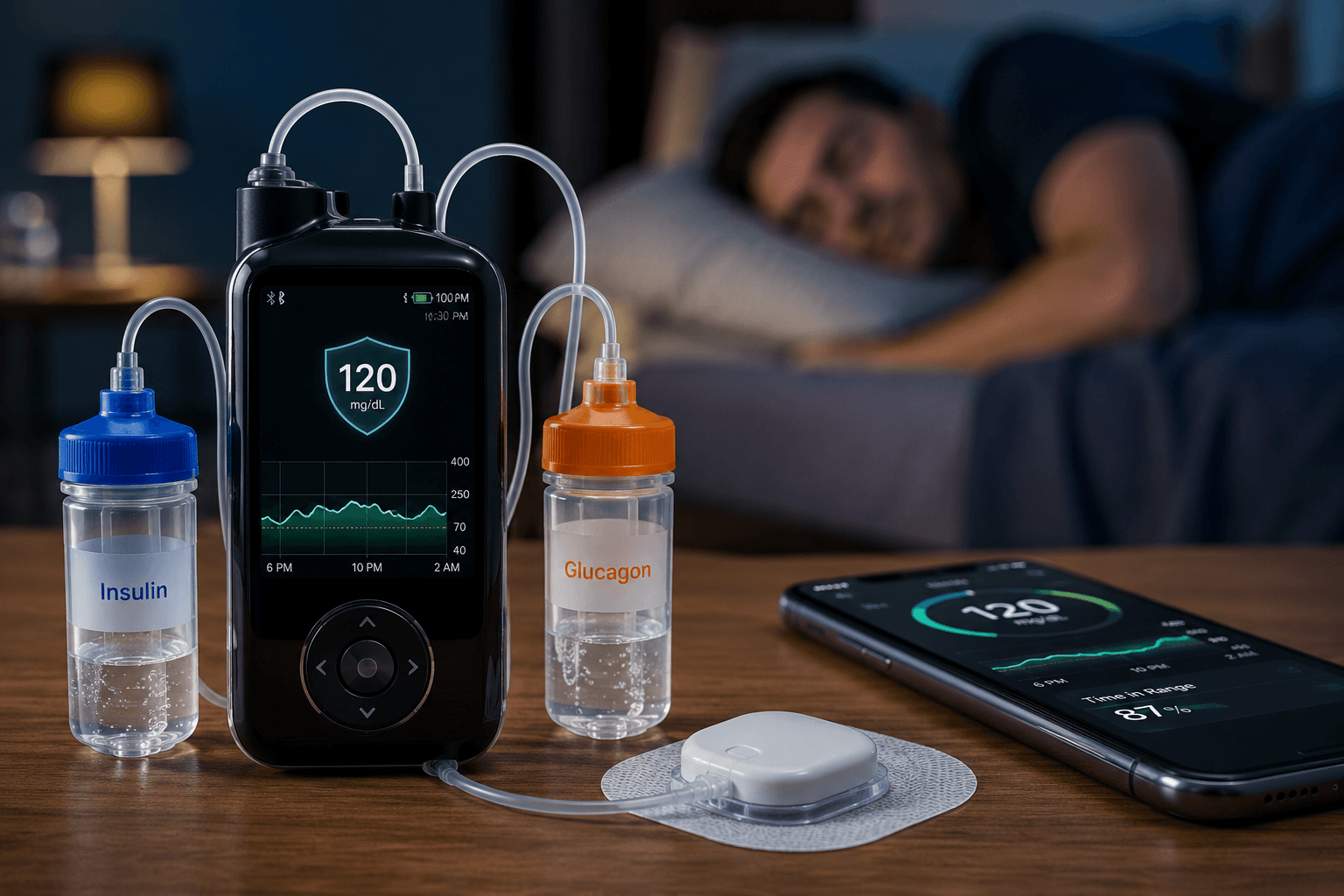
Many people with type 1 diabetes live with the constant fear of blood glucose dropping too low. Even today’s most advanced automated insulin delivery systems cannot actively raise glucose once levels begin to fall. Instead, they can only reduce or suspend insulin delivery. A dual-hormone artificial pancreas system changes that …
Read More »
Jul 20, 2026
Articles, Blood Glucose Control, Blood Glucose Control, Diabetes, Type 2 Diabetes, Type 2 Diabetes
1,425 views
Night-shift work keeps hospitals, factories, transportation systems, and emergency services running around the clock. However, while society benefits from overnight workers, their metabolic health often pays the price. Recent continuous glucose monitoring (CGM) studies have shown that shift work is strongly associated with greater glycemic variability in people with diabetes, …
Read More »
 Diabetes In Control. A free weekly diabetes newsletter for Medical Professionals. News and information for Medical Professionals.