May 18, 2026
Articles, Blood Glucose Control, Blood Glucose Control, Devices, Diabetes, Type 1 Diabetes, Type 1 Diabetes, Type 2 Diabetes, Type 2 Diabetes
1,567 views
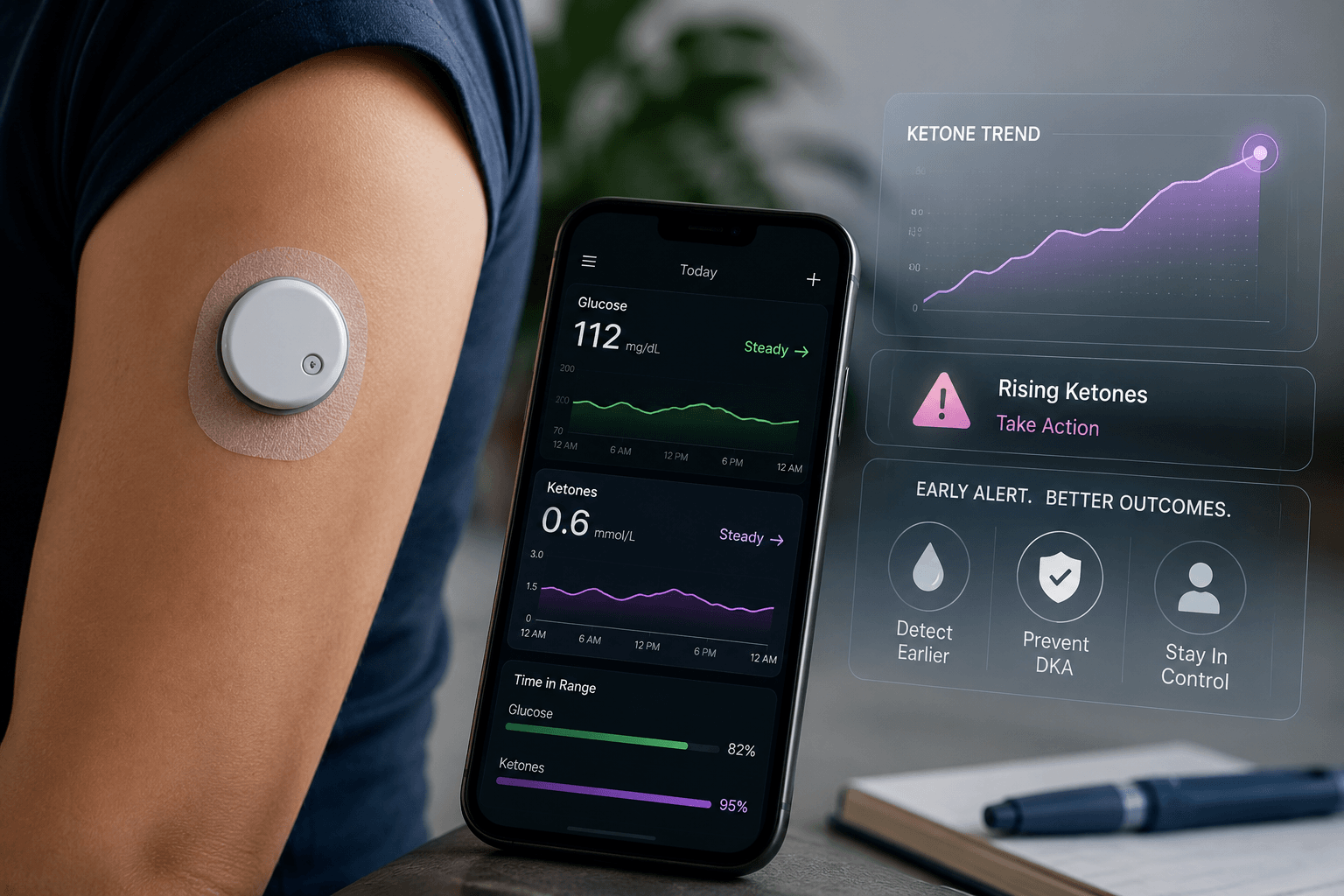
New advances in diabetes technology are moving beyond glucose alone. While continuous glucose monitoring transformed diabetes management over the last decade, wearable ketone monitoring systems are now emerging as the next major innovation. Researchers, device manufacturers, and international diabetes organizations are increasingly focused on whether real-time ketone data can help …
Read More »
Apr 7, 2026
Articles, Blood Glucose Control, Devices, Diabetes
1,747 views
Continuous ketone monitoring is gaining attention as a promising tool for detecting metabolic risk earlier than traditional methods. While glucose monitoring has long been the standard, ketones offer another layer of insight into how the body processes energy. Could this emerging technology reshape how clinicians assess risk and guide treatment …
Read More »
Feb 27, 2026
AI-news, Articles, Devices, Diabetes, Ophthalmology
3,867 views
In 2026, diabetic retinopathy screening is entering a new era driven by artificial intelligence, tele-retinal imaging, and smarter integration into primary care workflows. Despite improved glucose monitoring and widespread use of CGM systems, diabetic retinopathy remains a leading cause of preventable blindness in adults with diabetes. So how can clinicians …
Read More »
Feb 20, 2026
Articles, Blood Glucose Control, Blood Glucose Control, Devices, Diabetes, Type 1 Diabetes, Type 1 Diabetes, Type 2 Diabetes, Type 2 Diabetes
1,609 views
Continuous glucose monitoring was once reserved for endocrinology clinics. Today, integrating CGM into primary care is essential as guidelines recommend earlier and broader use in both type 1 and type 2 diabetes. Yet many clinicians still feel unsure about how to interpret reports or fit CGM into a busy visit. …
Read More »
Feb 4, 2026
AI-news, Articles, Blood Glucose Control, Blood Glucose Control, Devices, Diabetes, Type 2 Diabetes, Type 2 Diabetes
1,895 views
What if your next diabetes appointment started before you even walked in—an algorithm already having reviewed your CGM data, flagged risks, and drafted a care plan? That’s not science fiction. It’s the emerging reality of AI-powered workflows for diabetes care, where intelligent systems work behind the scenes to support clinicians …
Read More »
Jan 29, 2026
Diabetes, Featured, Obesity, Obesity, Therapies, Type 1 Diabetes, Type 1 Diabetes
5,483 views
Imagine managing type 1 diabetes and still gaining weight despite careful insulin use, exercise, and carb counting. That’s the frustrating reality for many people living with T1D and obesity. While insulin is life-saving, it can also promote weight gain, making the balance between glucose control and healthy weight even harder. …
Read More »
Jan 29, 2026
AI-news, Articles, Blood Glucose Control, Blood Glucose Control, Devices, Diabetes, Featured, Type 1 Diabetes, Type 1 Diabetes, Type 2 Diabetes, Type 2 Diabetes
2,312 views
Artificial intelligence (AI) is transforming many aspects of diabetes care, and smart insulin management powered by AI is quickly becoming one of its most promising innovations. Tools that read continuous glucose monitor (CGM) data and suggest insulin changes are rapidly entering clinical use. But while these tools are powerful, they …
Read More »
Dec 11, 2025
Articles, Devices, Diabetes, Patient Resources, Practice Management, Type 1 Diabetes, Type 1 Diabetes, Type 2 Diabetes, Type 2 Diabetes
1,705 views
In the era of smartphones, continuous glucose monitoring (CGM), remote portals, and health apps, digital tools offer powerful ways to support people living with diabetes. However, too much technology can overwhelm patients, leading to digital health fatigue in diabetes—a state where users disengage from tools that were meant to help …
Read More »
Dec 4, 2025
Articles, Blood Glucose Control, Devices, Diabetes, Physician oriented, Type 2 Diabetes
1,419 views
Could continuous glucose monitoring (CGM) soon become the norm in primary care? Once considered a specialty tool reserved for endocrinologists, CGM is now recommended far earlier in diabetes treatment — even for patients with type 2 diabetes on basal insulin alone. Despite these guideline shifts, primary care adoption has lagged. …
Read More »
 Diabetes In Control. A free weekly diabetes newsletter for Medical Professionals. News and information for Medical Professionals.