Jul 9, 2026
Articles, Blood Glucose Control, Blood Glucose Control, Diabetes, Type 1 Diabetes, Type 1 Diabetes, Type 2 Diabetes, Type 2 Diabetes
2,593 views
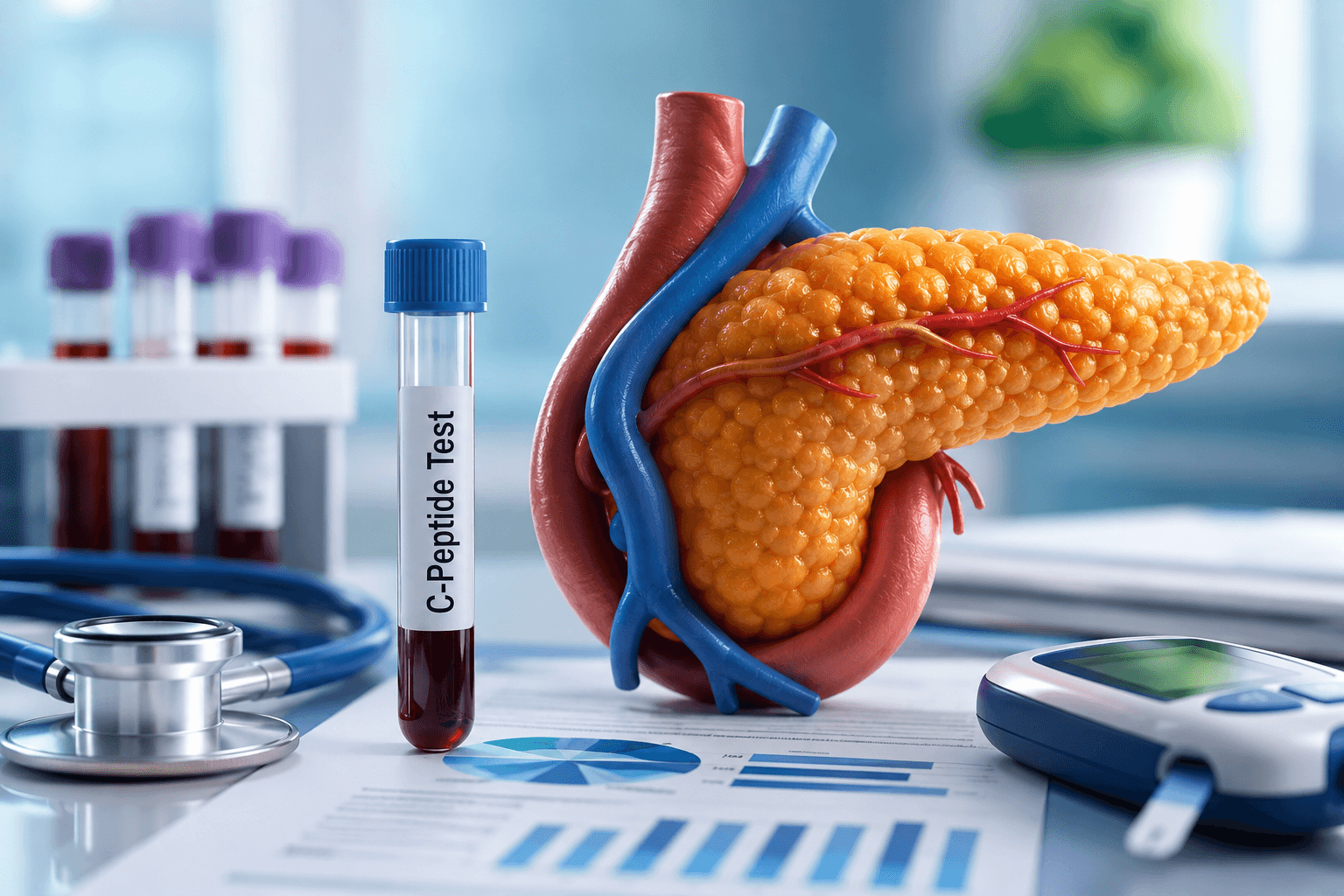
For many years, C-peptide testing was viewed as a simple tool to distinguish type 1 diabetes from type 2 diabetes. However, the story has changed. As researchers gain a better understanding of pancreatic beta-cell function, C-peptide testing in diabetes has become much more valuable than a diagnostic aid alone. Today, …
Read More »
Jul 6, 2026
Articles, Blood Glucose Control, Blood Glucose Control, Devices, Diabetes, Women's Health
1,654 views
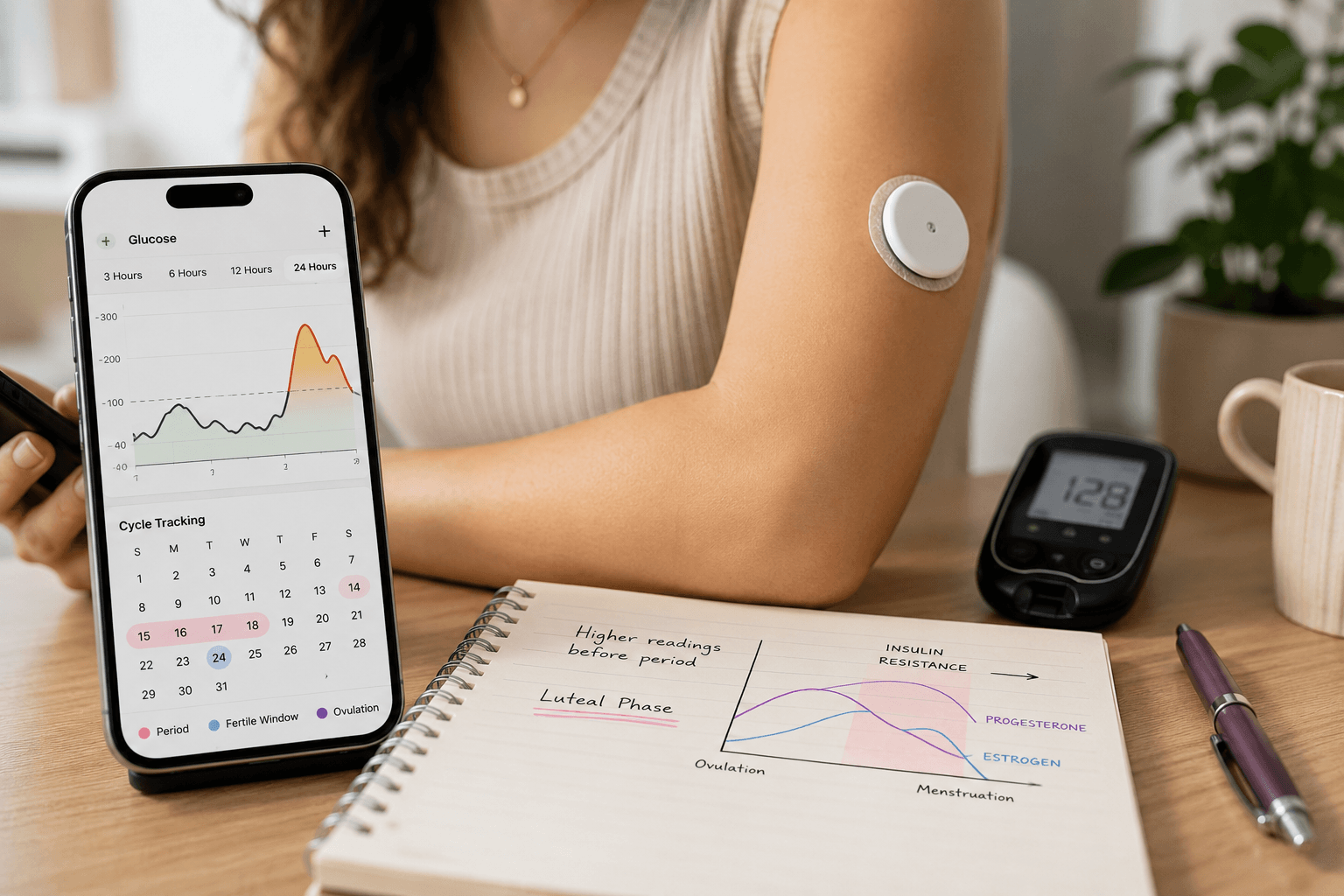
Many women with diabetes notice that blood sugar levels become harder to control during certain weeks of the month. Despite eating the same meals, taking the same insulin doses, and maintaining consistent activity levels, glucose readings may suddenly climb. This recurring pattern is often linked to luteal phase insulin resistance, …
Read More »
Jul 3, 2026
Articles, Blood Glucose Control, Diabetes
2,351 views
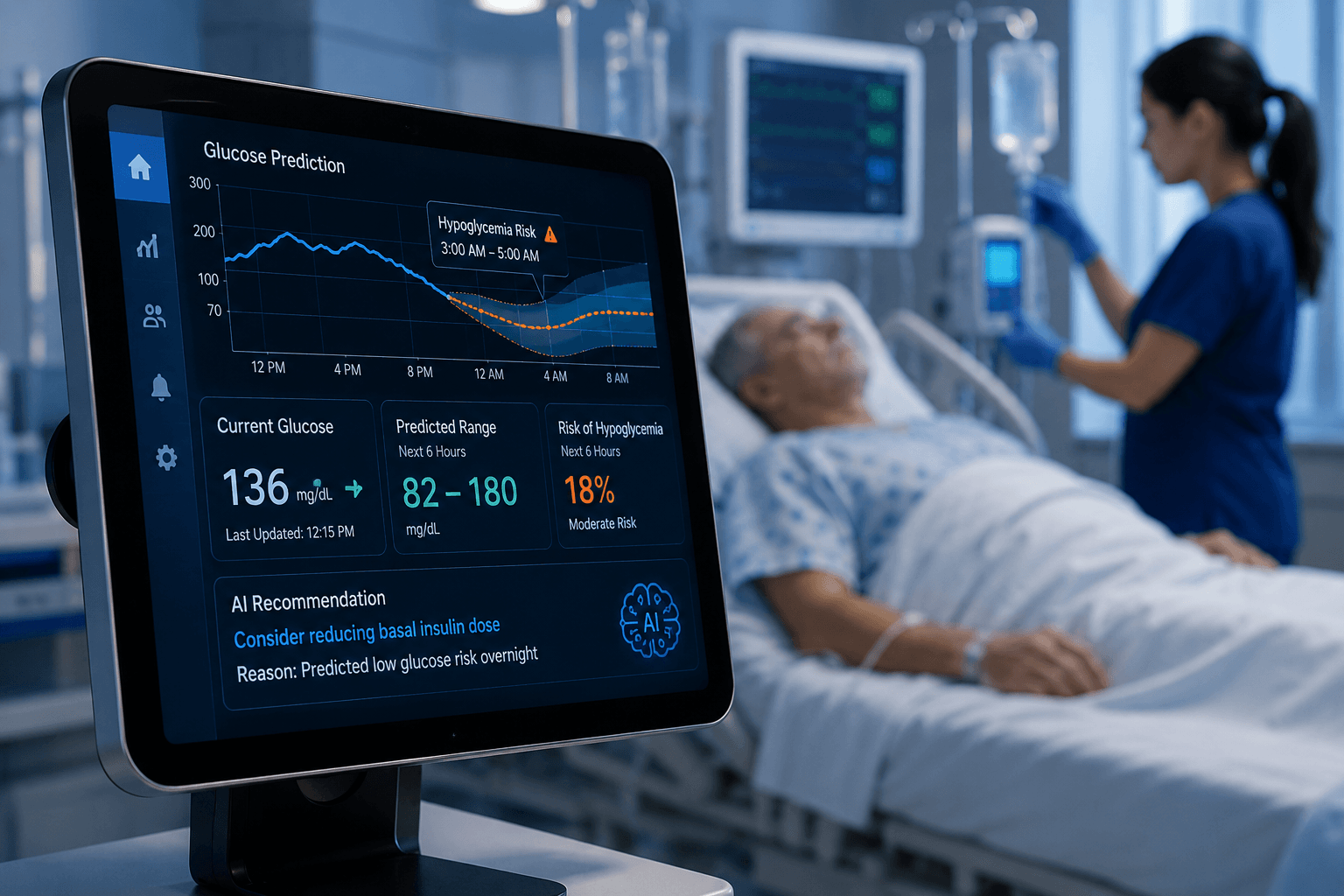
Hospital glucose management has long relied on reactive treatment strategies, especially sliding-scale insulin protocols that respond to blood glucose after it has already risen. While this approach remains common, healthcare systems are increasingly exploring AI solutions for inpatient diabetes care that predict glucose changes before they become dangerous. Instead of …
Read More »
Jul 2, 2026
Articles, Devices, Diabetes, Prediabetes, Prevention, Type 2 Diabetes, Type 2 Diabetes
1,508 views
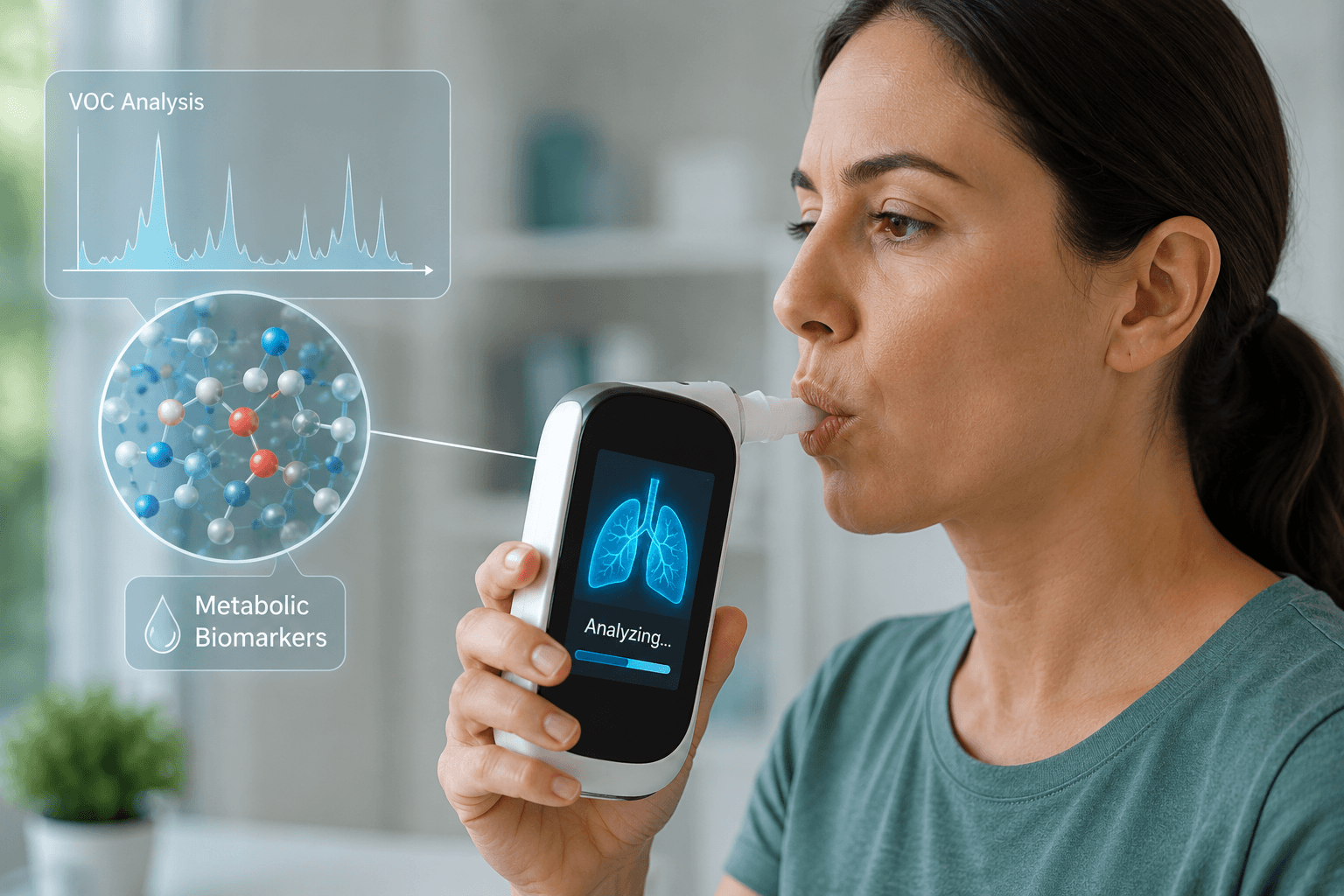
Imagine screening for diabetes as easily as breathing into a handheld device. That idea is rapidly moving from research laboratories toward clinical reality. Scientists are developing breath tests for diabetes that analyze tiny molecules in exhaled air to identify early metabolic changes long before traditional symptoms develop. Although blood glucose …
Read More »
Jul 1, 2026
Articles, Blood Glucose Control, Blood Glucose Control, Devices, Diabetes, Exercise, Physical Activity
3,402 views
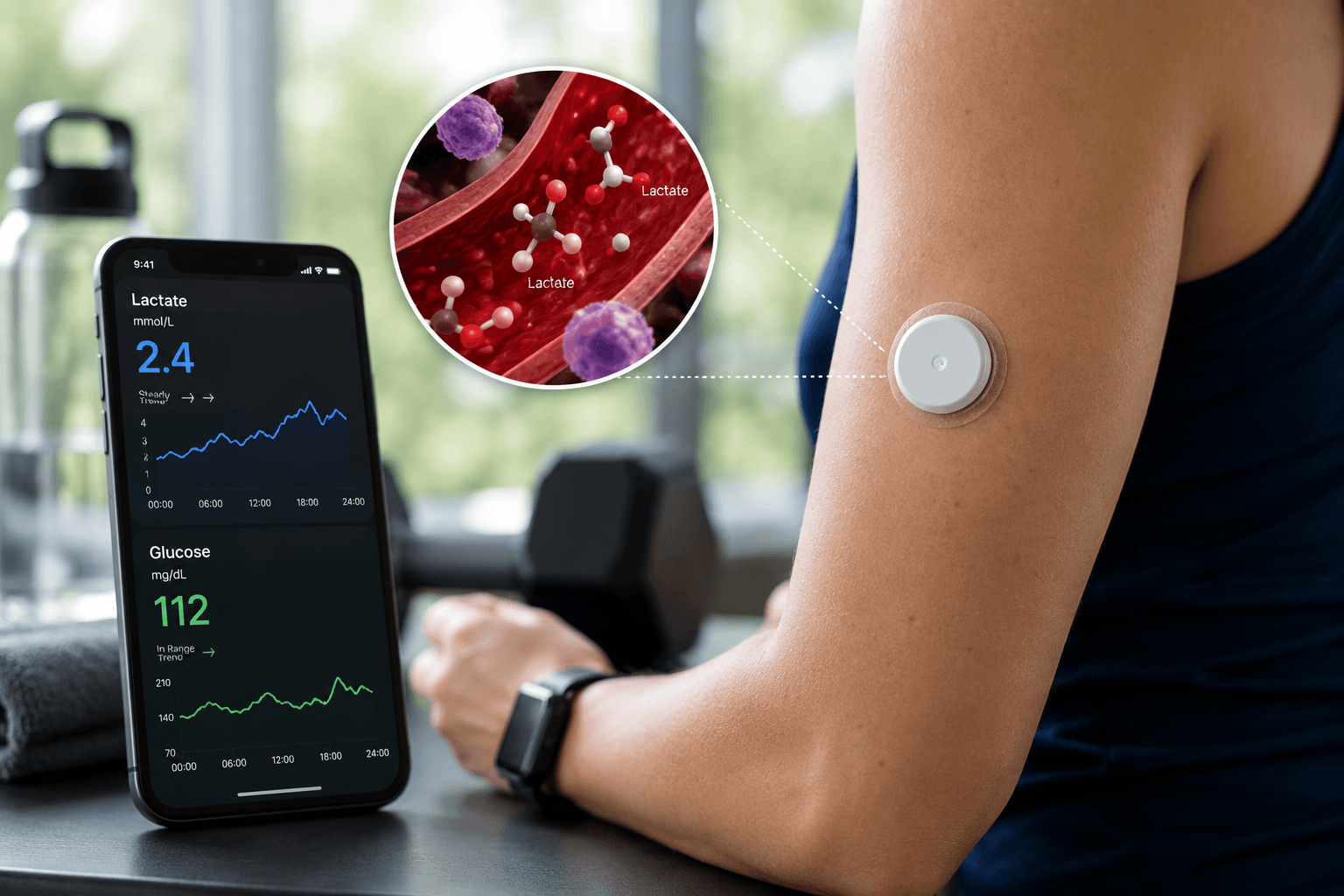
Continuous glucose monitoring (CGM) has fundamentally changed diabetes management by giving patients and clinicians access to real-time glucose data. As a result, treatment decisions have become more precise, and many people with diabetes now spend more time within their target glucose range. However, glucose represents only one part of the …
Read More »
Jun 24, 2026
Articles, Blood Glucose Control, Blood Glucose Control, Devices, Diabetes, Prevention
7,504 views
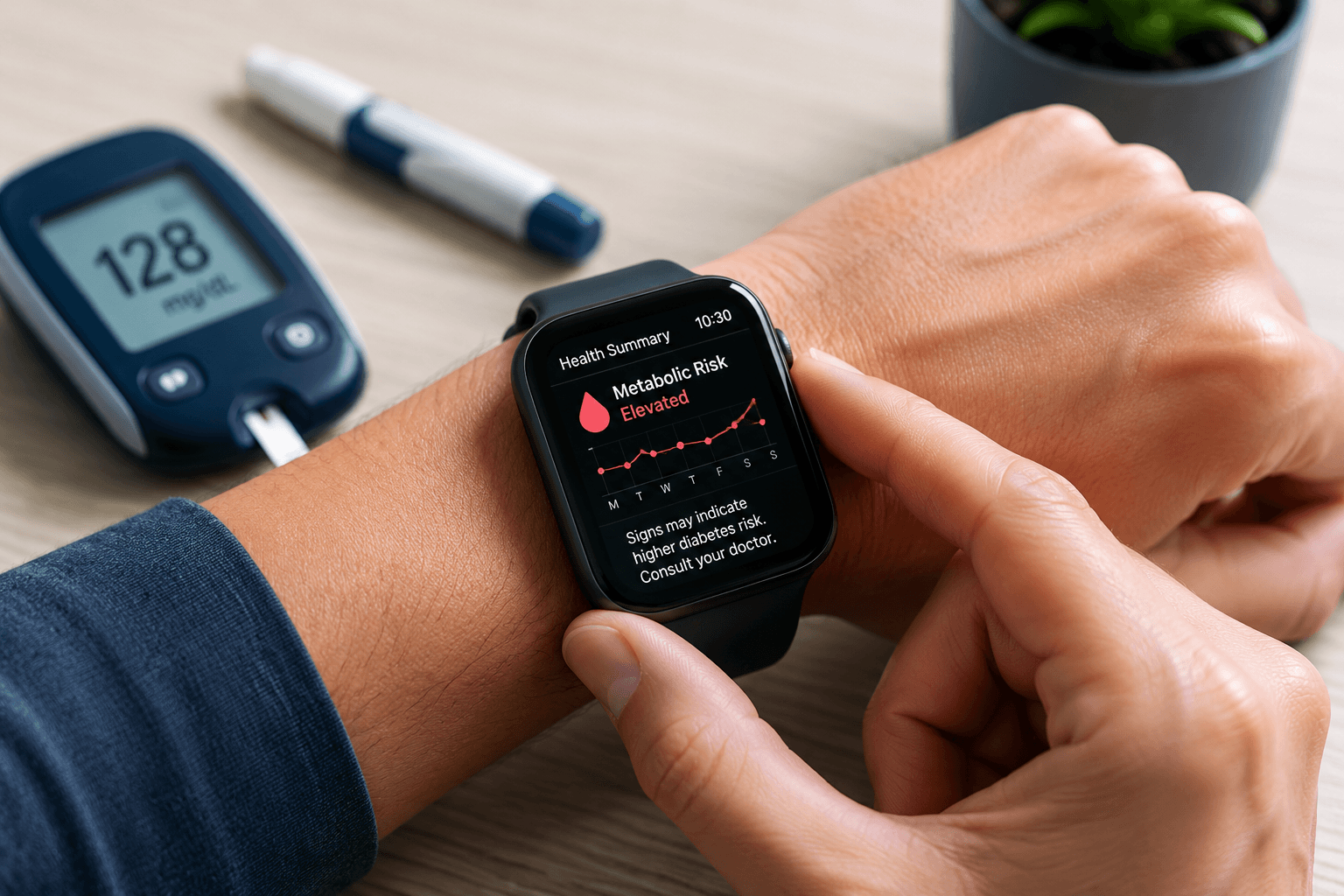
For decades, diagnosing diabetes has depended on blood tests performed during routine medical visits. However, what if your smartwatch could recognize early warning signs before glucose levels become high enough for a formal diagnosis? Researchers are now exploring wearable technologies for diabetes screening that continuously analyze physiologic data collected throughout …
Read More »
Jun 19, 2026
Articles, Blood Glucose Control, Blood Glucose Control, Devices, Diabetes, Type 1 Diabetes, Type 1 Diabetes, Type 2 Diabetes, Type 2 Diabetes
1,297 views
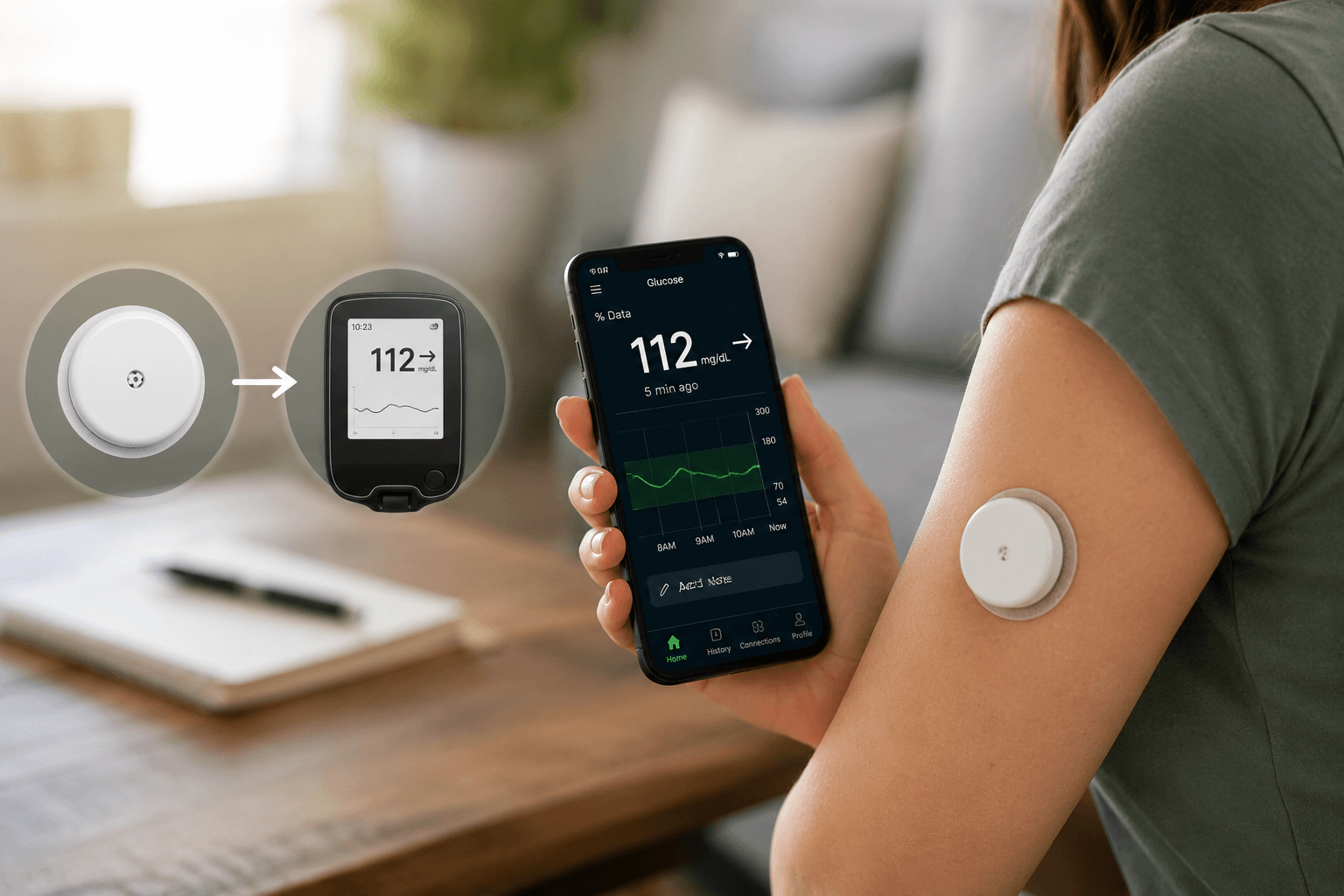
As diabetes technology continues to evolve, clinicians are increasingly faced with an important question: should patients still be using flash continuous glucose monitoring (CGM), or is it time to switch to real-time CGM? While flash CGM systems have significantly improved glucose monitoring and patient engagement over traditional fingerstick testing, real-time …
Read More »
Jun 17, 2026
Articles, Diabetes, Insulin Therapy Center, Type 1 Diabetes, Type 1 Diabetes
2,278 views
For many people living with diabetes, gaining access to an automated insulin delivery (AID) system can be life-changing. These technologies help improve glycemic outcomes, reduce hypoglycemia risk, and ease the daily burden of diabetes management. Yet despite their proven benefits, many patients continue to face lengthy delays before gaining access. …
Read More »
Jun 16, 2026
Articles, Blood Glucose Control, Blood Glucose Control, Diabetes, Type 1 Diabetes, Type 1 Diabetes, Type 2 Diabetes, Type 2 Diabetes
2,873 views
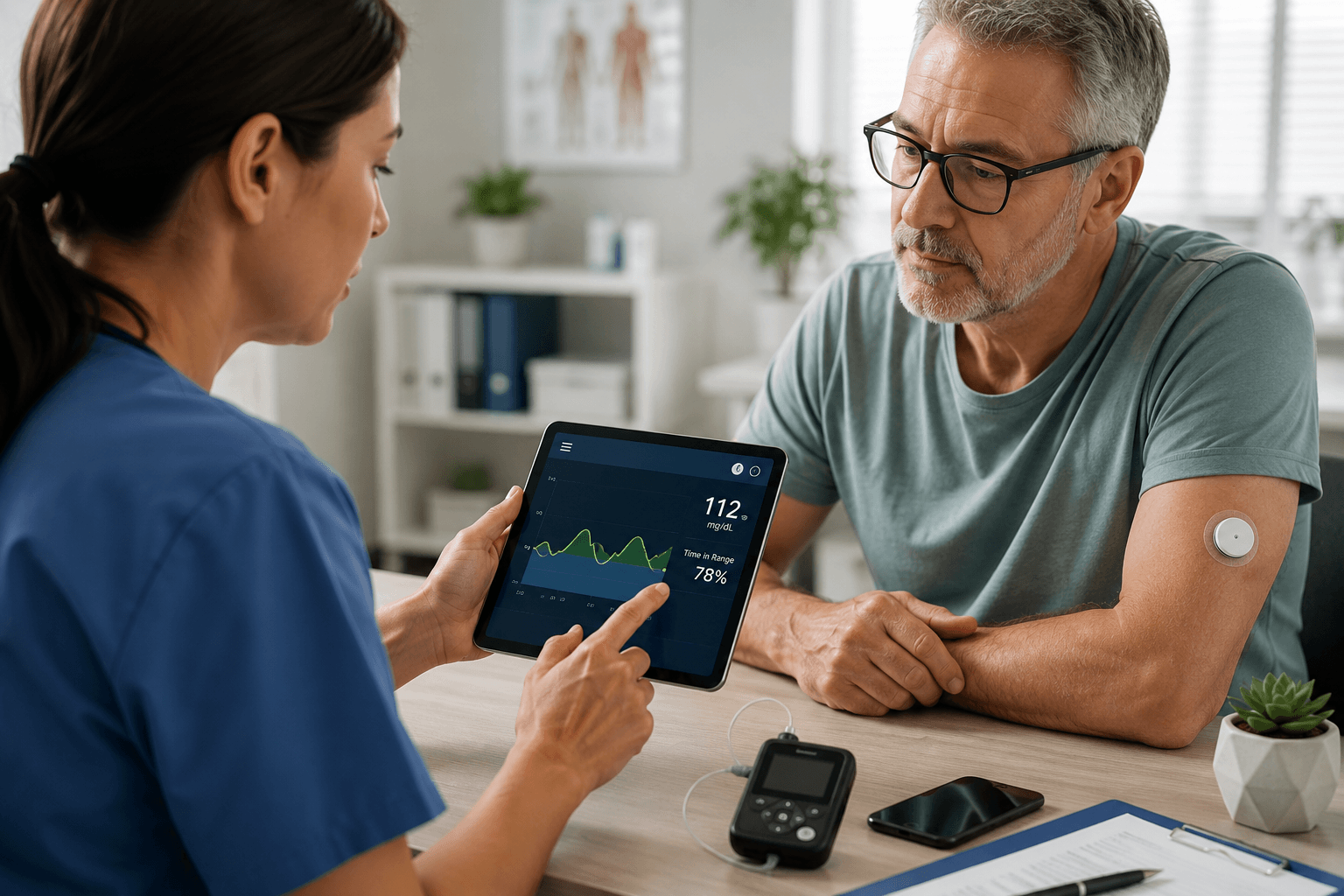
For years, hospital admission often meant disconnecting patients from their personal diabetes devices. Continuous glucose monitors (CGMs) and insulin pumps were frequently removed, even when patients had used them successfully at home. However, the 2026 American Diabetes Association (ADA) Standards of Care introduce a significant shift in how hospitals approach …
Read More »
Jun 12, 2026
Articles, Blood Glucose Control, Blood Glucose Control, Devices, Diabetes
4,236 views
Continuous glucose monitoring (CGM) has transformed diabetes management by giving patients real-time glucose data, trend arrows, and alerts that support better daily decisions. Yet some patients stop using their CGM within days of starting. Often, the problem is not the device itself. Instead, early frustration begins when patients leave the …
Read More »
 Diabetes In Control. A free weekly diabetes newsletter for Medical Professionals. News and information for Medical Professionals.