May 15, 2026
Articles, Diabetes, Therapies, Type 2 Diabetes, Type 2 Diabetes
1,579 views
Managing Type 2 diabetes used to follow a relatively predictable path. Clinicians often started with metformin and added medications gradually as glucose control worsened. Today, however, diabetes care looks very different. The number of available therapies has expanded rapidly, and while that growth has improved patient outcomes, it has also …
Read More »
May 13, 2026
Articles, Blood Glucose Control, Blood Glucose Control, Diabetes, GLP- 1 Agonist Therapy Center, GLP-1 Agonist Therapy Center, Obesity, Obesity, Type 2 Diabetes, Type 2 Diabetes
3,114 views
Everything seems to be working perfectly until it suddenly isn’t. A patient is losing weight steadily, HbA1c levels are improving, and confidence is high during every follow-up visit. Then progress slows. The scale barely changes. Blood sugar readings stop improving. Patients start asking whether the medication has stopped working, while …
Read More »
May 13, 2026
Articles, Diabetes, Diet & Nutrition, Exercise, GLP- 1 Agonist Therapy Center, GLP-1 Agonist Therapy Center, Obesity, Obesity, Therapies, Type 2 Diabetes, Type 2 Diabetes
1,558 views
Losing 30 pounds may sound like an undeniable success story. However, what if part of that weight loss comes from muscle instead of fat? As more patients use GLP-1 medications such as semaglutide and tirzepatide, clinicians are starting to ask an important question: are these drugs quietly contributing to the …
Read More »
May 12, 2026
Articles, Diabetes, GLP- 1 Agonist Therapy Center, GLP-1 Agonist Therapy Center, Obesity, Obesity, Practice Management, Type 2 Diabetes, Type 2 Diabetes
1,699 views
A patient starts semaglutide through a telehealth platform, receives nutrition advice from a wellness clinic, and later visits a primary care physician for worsening gastrointestinal symptoms. None of the providers can see the full treatment picture. Situations like this are becoming increasingly common as GLP-1 medications move across multiple corners …
Read More »
May 7, 2026
Articles, Blood Glucose Control, Blood Glucose Control, Diabetes
2,657 views
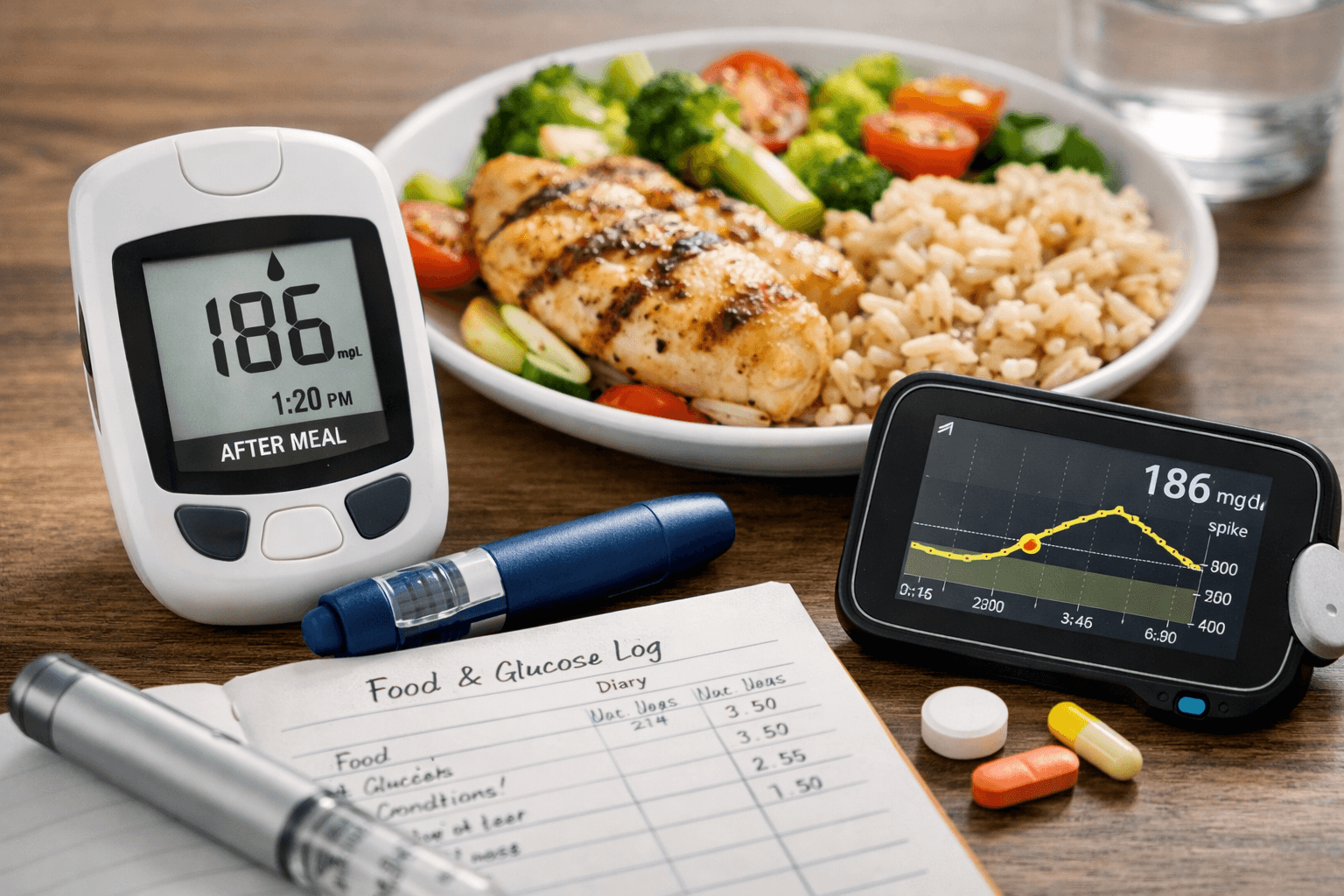
Managing post-meal glucose levels plays a critical role in diabetes care, yet it is often overlooked in favor of A1C and time in range. However, what happens after meals can significantly affect long-term outcomes. Think of it like traffic flow: even if the highway looks clear overall, sudden congestion at …
Read More »
May 7, 2026
Articles, Blood Glucose Control, Blood Glucose Control, Diabetes, GLP- 1 Agonist Therapy Center, GLP-1 Agonist Therapy Center, Type 2 Diabetes, Type 2 Diabetes
1,944 views
What if the biggest missed opportunity in diabetes care is not a new drug, but when we start using it? Early GLP-1 therapy is gaining attention as clinicians rethink traditional treatment timelines. Instead of reserving GLP-1 receptor agonists for later stages, emerging evidence suggests starting sooner may improve outcomes and …
Read More »
May 5, 2026
Articles, Diabetes, GLP- 1 Agonist Therapy Center, GLP-1 Agonist Therapy Center, Type 2 Diabetes, Type 2 Diabetes
1,829 views
As virtual care becomes more common, many clinicians now initiate GLP-1 receptor agonist therapy remotely. But how do you ensure patient safety without in-person visits? Effective remote monitoring of GLP-1 therapy plays a critical role in closing care gaps while maintaining treatment effectiveness. Much like managing insulin therapy from a …
Read More »
May 4, 2026
Articles, Blood Glucose Control, Blood Glucose Control, Diabetes, Therapies, Type 2 Diabetes, Type 2 Diabetes
2,209 views
Why do so many patients begin treatment with good intentions, only to fall off track later? Staying consistent with diabetes treatment continues to challenge both patients and clinicians despite medical advances. While new therapies offer better control, long-term success still depends on consistency. However, many patients struggle to maintain routines, …
Read More »
May 1, 2026
Articles, Diabetes, GLP- 1 Agonist Therapy Center, GLP-1 Agonist Therapy Center, Therapies, Type 2 Diabetes, Type 2 Diabetes
4,594 views
Why do some patients see impressive results with GLP-1 therapies while others barely respond? This question is becoming more relevant as clinicians encounter variability in outcomes. GLP-1 resistance is emerging as a possible explanation for suboptimal responses in certain individuals with diabetes. As a result, understanding how to identify and …
Read More »
Apr 28, 2026
Articles, Blood Glucose Control, Diabetes, Diet & Nutrition, Diet and Nutrition, Type 2 Diabetes, Type 2 Diabetes
3,010 views
When managing diabetes, most people focus on A1C or time in range. However, what if the real opportunity lies in something more immediate and actionable? Managing post-meal blood sugar, often called postprandial glucose control, may hold the key to better outcomes. While long-term markers still matter, post-meal spikes often go …
Read More »
 Diabetes In Control. A free weekly diabetes newsletter for Medical Professionals. News and information for Medical Professionals.