 Diabetes In Control. A free weekly diabetes newsletter for Medical Professionals. News and information for Medical Professionals.
When glucose numbers improve, patients are expected to feel better. Yet some people with type 1 diabetes report the opposite. A glucose level that looks reassuring on a continuous glucose monitor may leave them feeling tired, uncomfortable, or simply “off.” New research suggests that glycemic habituation may help explain this …
Read More »Digital Diabetes Coaching: Why an App Alone Isn’t Enough

A diabetes app can track meals, count steps, log glucose, and deliver reminders. However, can an app actually help someone turn all that information into lasting daily habits? A recent randomized controlled trial suggests that digital diabetes coaching, with technology supported by ongoing human guidance, may help bridge that gap. …
Read More »More Dietary Fat, Worse Blood Fats? A Low-Carb Diabetes Trial Challenges the Assumption
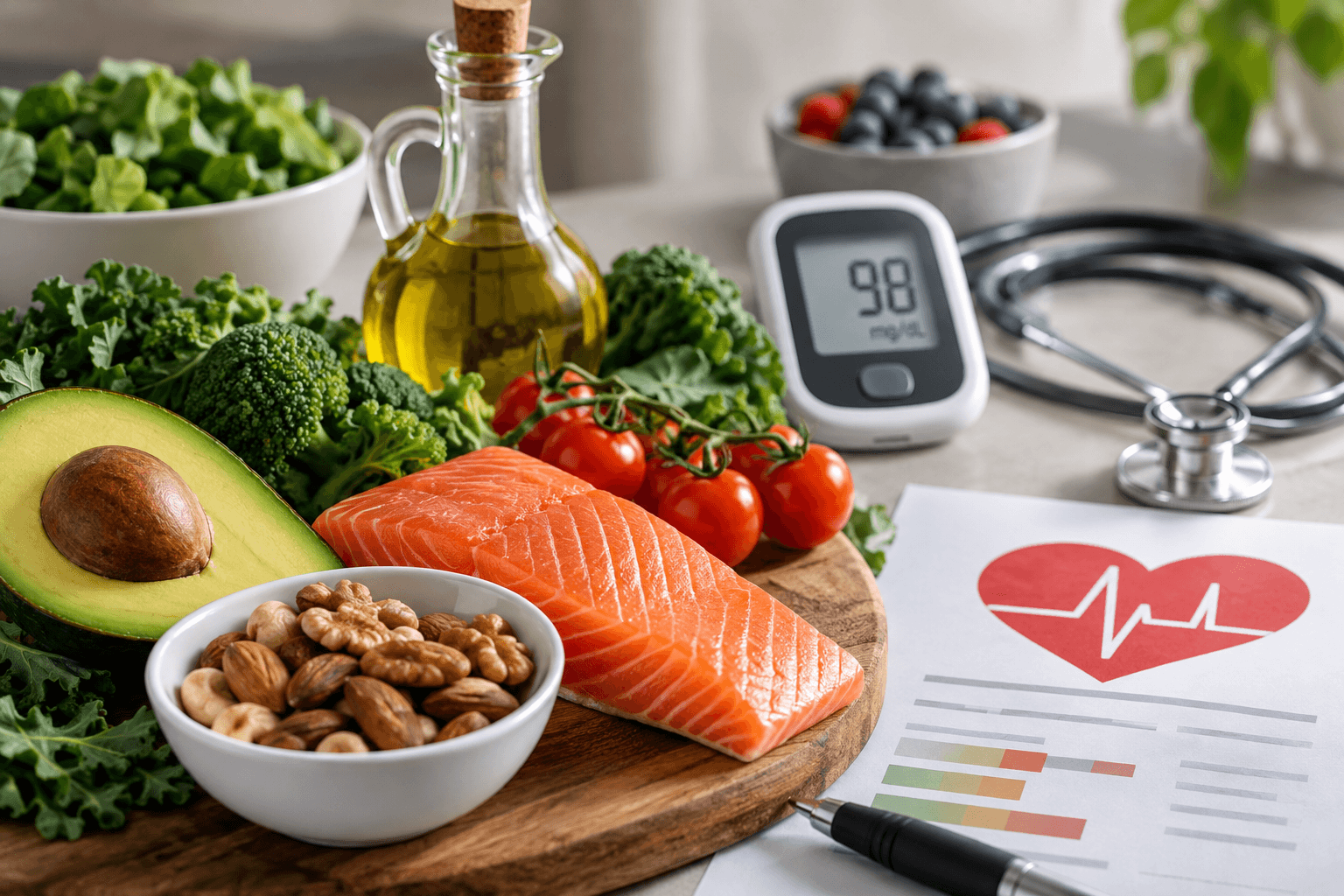
Does eating more fat automatically mean that more harmful fatty acids will circulate in the blood? A new randomized trial suggests the answer may be more complicated. Researchers studying a low-carb diet for type 2 diabetes found that six months of carbohydrate restriction changed circulating fatty acids in potentially favorable …
Read More »Waking Up With High Blood Sugar? How to Manage the Dawn Phenomenon
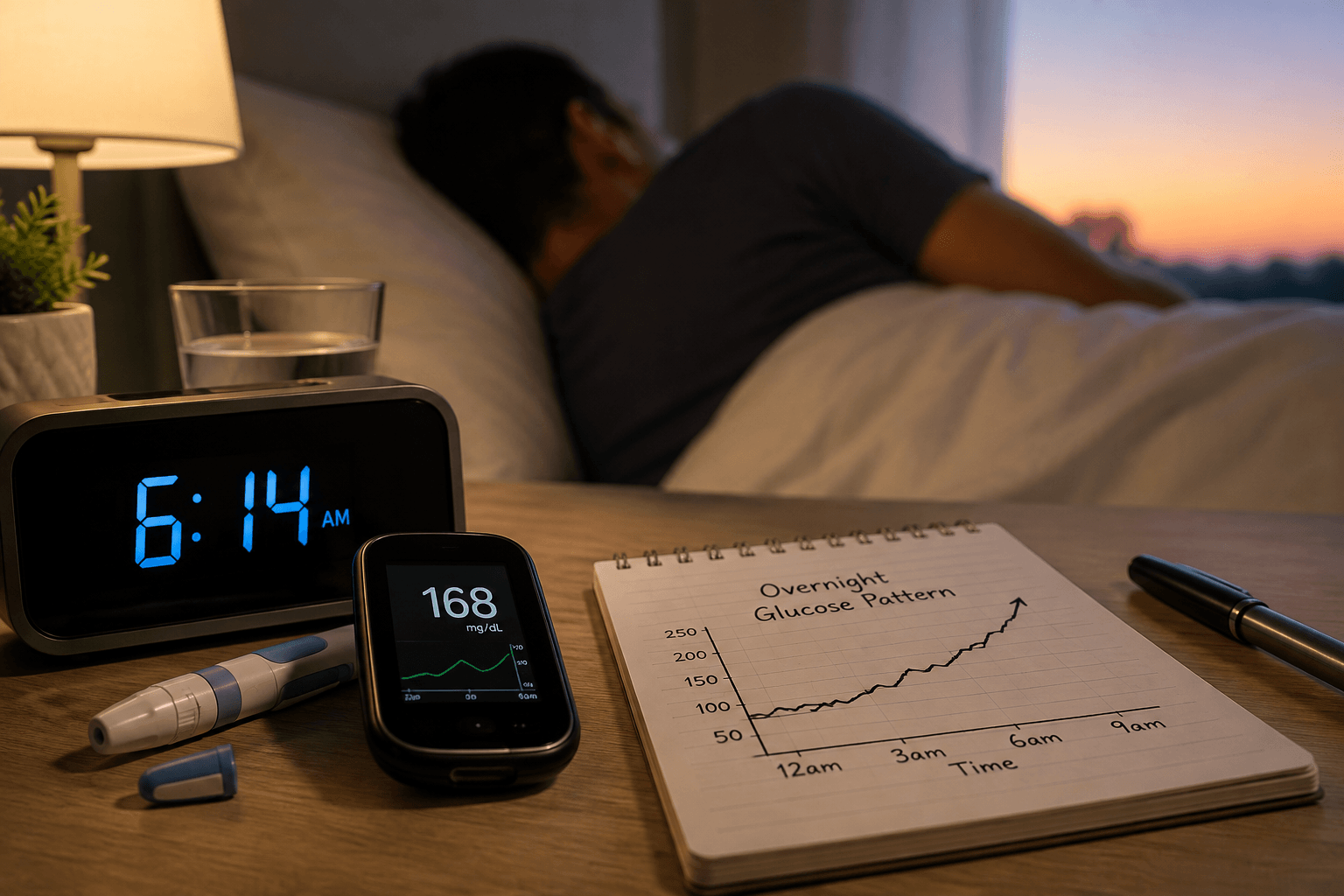
You went to bed with your blood sugar in range, skipped the midnight snack, and still woke up high. What happened? For many people with diabetes, natural early-morning hormone changes may be responsible. Understanding the dawn phenomenon can help you recognize this pattern and discuss safe ways to improve morning …
Read More »Forget the Gym? Why 2-Minute Exercise Snacks Could Improve Glucose Control

Finding time for a full workout can be difficult, but what if two minutes of movement still mattered? Emerging research on exercise snacking for diabetes suggests that brief bursts of activity spread throughout the day may reduce post-meal glucose excursions and limit some metabolic effects of prolonged sitting. Instead of …
Read More »It’s Not Just About Sleep: How Circadian Medicine Could Rewrite Diabetes Care
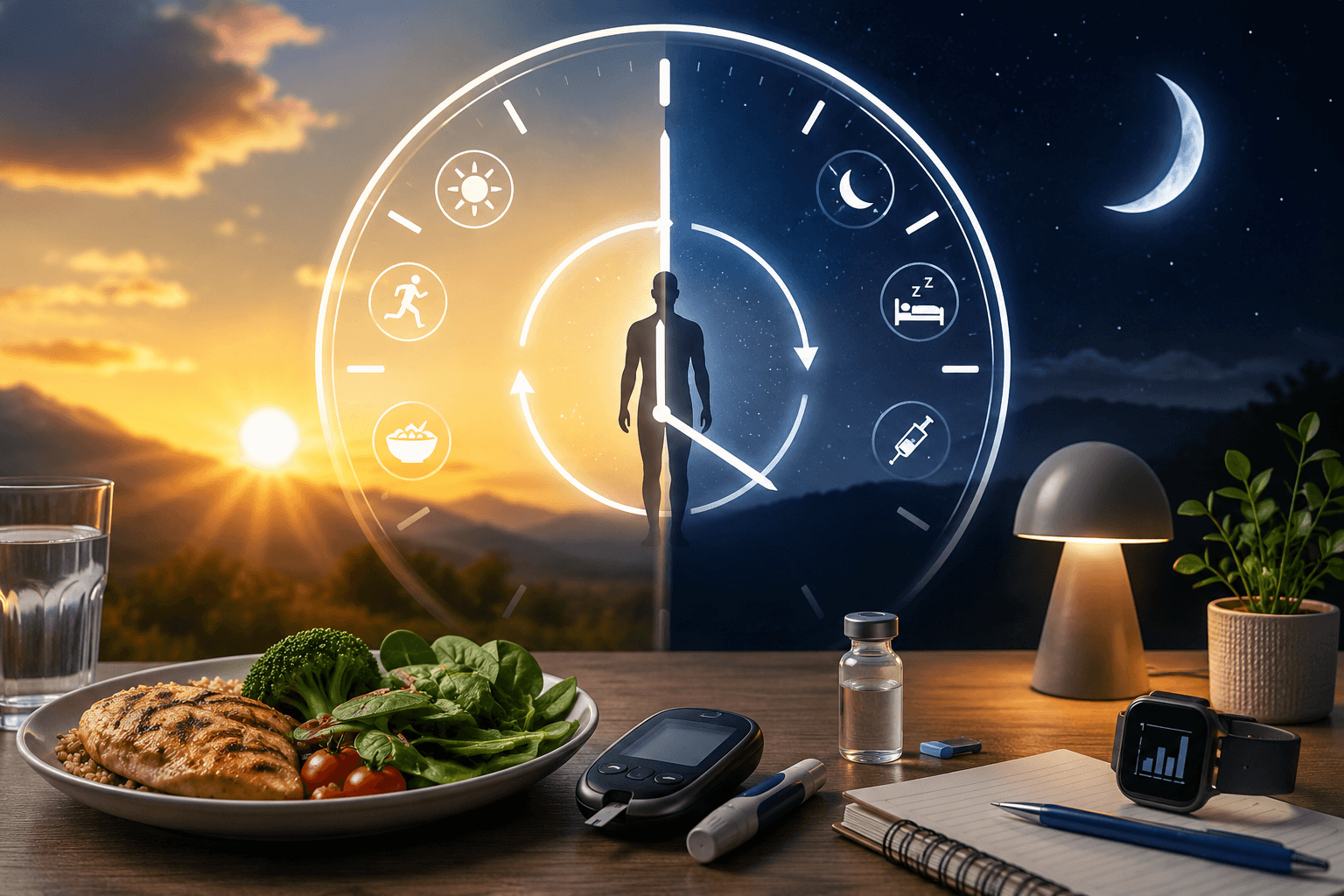
Diabetes care has traditionally focused on what patients eat, how much they exercise, and which medications they use. However, a growing field adds another question: when do these things happen? Research into circadian medicine in diabetes care suggests that the body’s internal clock may influence insulin sensitivity, glucose tolerance, hormone …
Read More »Could This Heart Scan Detect Diabetes Damage Before Symptoms Appear?

Heart disease remains the leading cause of illness and death among people with diabetes. However, one of the most concerning complications, diabetic cardiomyopathy, often develops quietly for years before symptoms emerge. During this silent phase, routine echocardiograms frequently show a normal ejection fraction, creating a false sense of reassurance. Fortunately, …
Read More »Can Bi-Hormonal Systems Finally Eliminate Severe Hypoglycemia?

Many people with type 1 diabetes live with the constant fear of blood glucose dropping too low. Even today’s most advanced automated insulin delivery systems cannot actively raise glucose once levels begin to fall. Instead, they can only reduce or suspend insulin delivery. A dual-hormone artificial pancreas system changes that …
Read More »Diabetic Eye Disease May Start Years Before Your Eye Exam Finds It
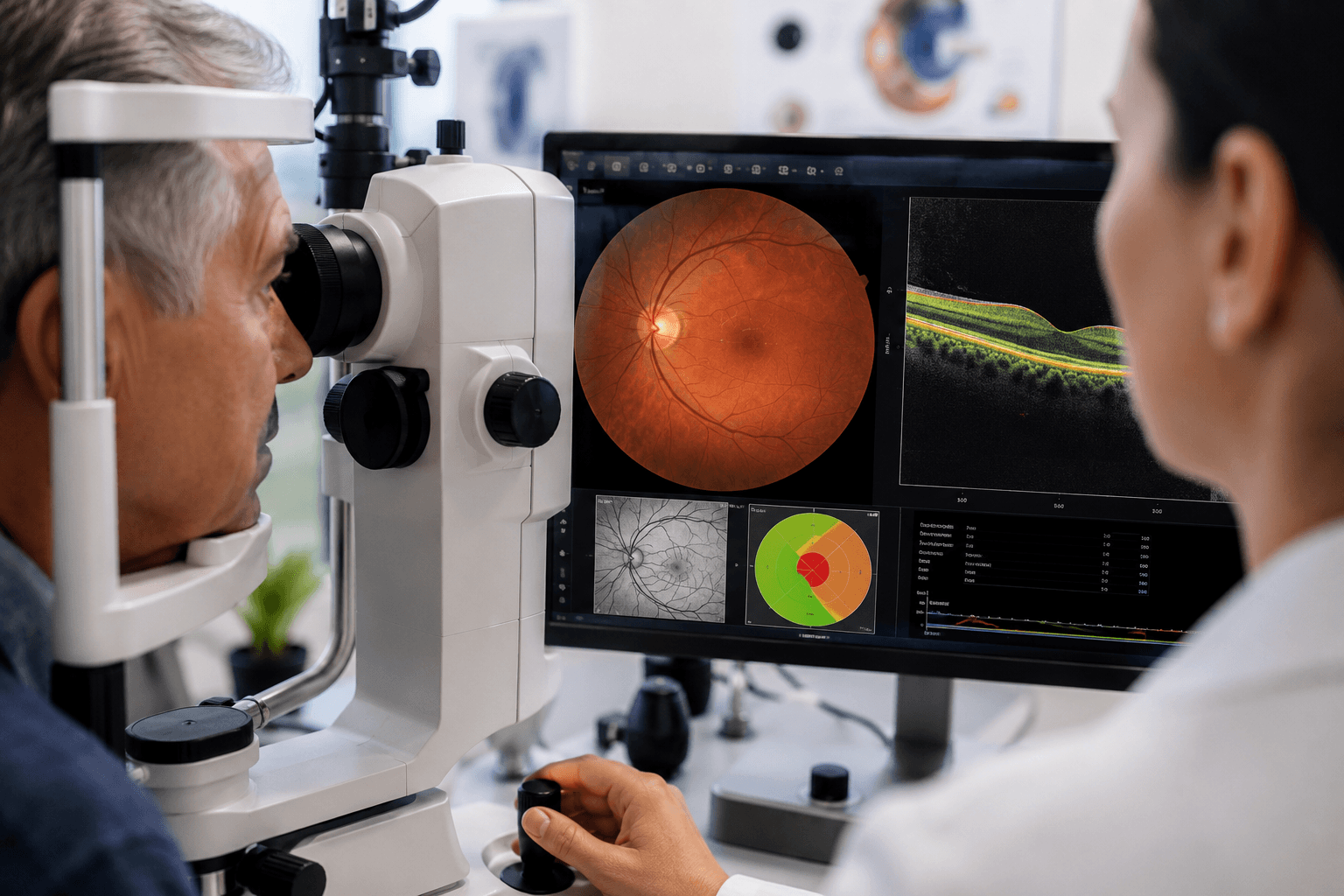
Diabetes affects far more than blood sugar. In fact, the earliest stages of diabetic retinal disease may begin years before an eye doctor can see the classic signs of diabetic retinopathy during a routine examination. Imagine a smoke detector that alerts you before you ever see flames. That is the …
Read More »A Newly Discovered Form of Cell Death May Explain Why Diabetes Causes So Many Complications

Diabetes is known for raising blood sugar levels, but its long-term complications often have the greatest impact on health. Kidney disease, vision loss, nerve damage, and cardiovascular disease affect millions of people living with diabetes. For years, researchers focused on inflammation, oxidative stress, and poor circulation to explain these complications. …
Read More »