Mar 4, 2026
Articles, Diabetes, Therapies, Type 2 Diabetes, Type 2 Diabetes
9,483 views
Dermatologic reactions linked to GLP-1 therapy are gaining attention as the use of glucagon-like peptide-1 receptor agonists continues to expand in diabetes and obesity care. While injection-site irritation is well recognized, clinicians are increasingly observing broader skin changes in patients treated with semaglutide (Ozempic, Wegovy), liraglutide (Victoza, Saxenda), and tirzepatide …
Read More »
Feb 26, 2026
Articles, Blood Glucose Control, Blood Glucose Control, Diabetes, Insulin Therapy Center, Type 2 Diabetes, Type 2 Diabetes
2,067 views
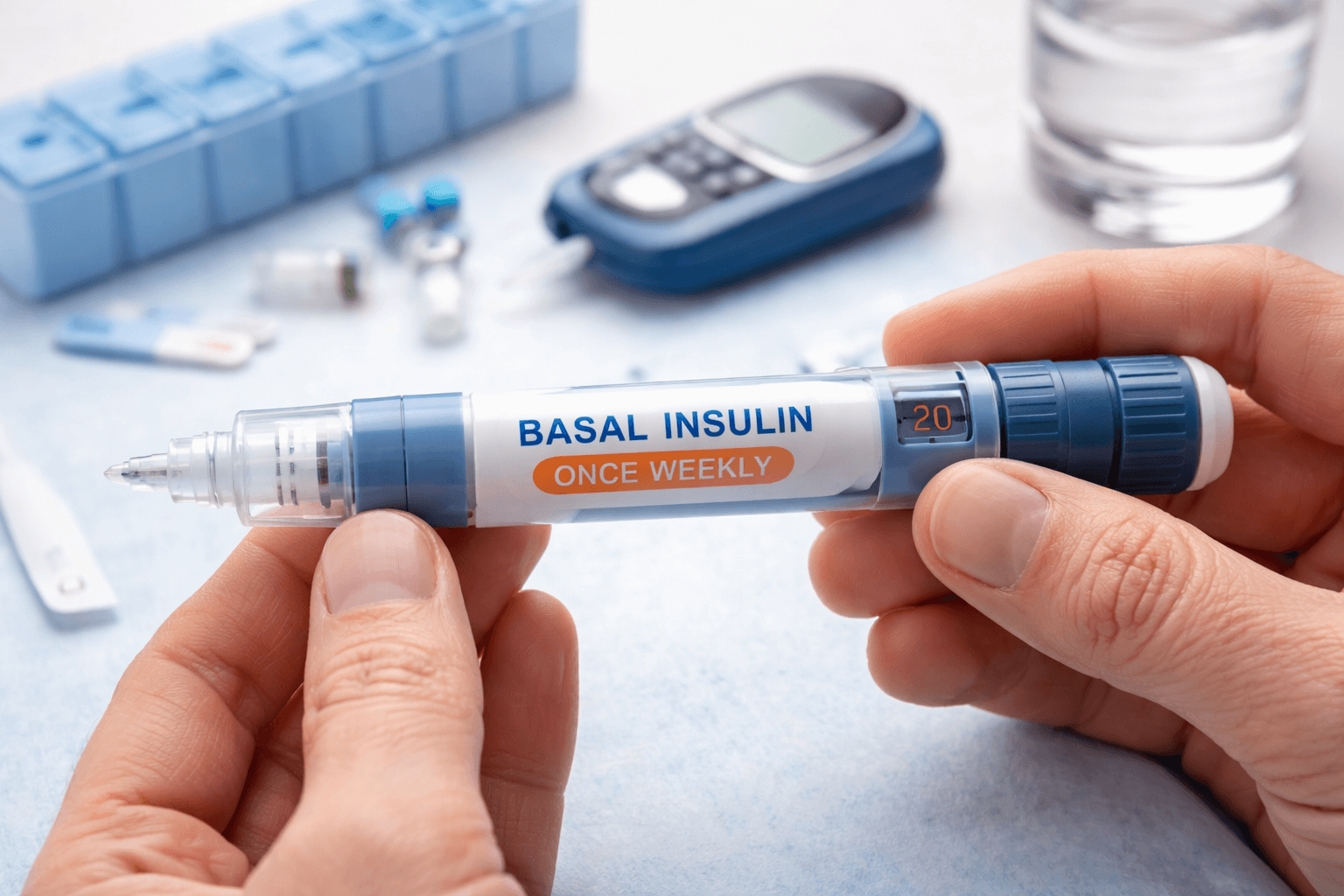
The arrival of a once-weekly basal insulin option marks one of the most meaningful advances in insulin therapy in decades. For years, daily basal injections have been the standard of care for people with type 1 and type 2 diabetes. However, many patients struggle with adherence, missed doses, and therapeutic …
Read More »
Feb 25, 2026
Articles, Cardiology, Diabetes, GLP- 1 Agonist Therapy Center, GLP-1 Agonist Therapy Center
12,429 views
Changes in resting heart rate with GLP-1 receptor agonists have become an important topic in diabetes and cardiometabolic care. As glucagon-like peptide-1 receptor agonists such as semaglutide, liraglutide, and dulaglutide gain widespread use, clinicians often notice a modest rise in resting heart rate. Should this increase raise concern, especially in …
Read More »
Feb 25, 2026
Articles, GLP- 1 Agonist Therapy Center, GLP-1 Agonist Therapy Center, Men's Health, Obesity, Obesity, Type 2 Diabetes, Type 2 Diabetes
1,853 views
The link between metabolism and reproduction is gaining attention, especially as questions about GLP-1 therapy and male fertility begin to surface in clinical practice. For years, male fertility evaluations focused mainly on hormones and anatomy. However, what if the root problem starts with metabolic health? Obesity and insulin resistance are …
Read More »
Feb 24, 2026
Articles, GLP- 1 Agonist Therapy Center, Neuropathy & Pain, Obesity, Obesity, Type 2 Diabetes, Type 2 Diabetes
3,612 views
Patients using GLP-1 receptor agonists are reporting something unexpected: less joint and musculoskeletal pain. As interest grows in how GLP-1 therapies may affect chronic pain, clinicians are asking an important question. Are these improvements simply the result of weight loss, or do GLP-1 medications have direct anti-inflammatory and neuromodulatory effects? …
Read More »
Feb 20, 2026
Articles, Blood Glucose Control, Blood Glucose Control, Diabetes, Diet and Nutrition, Prevention
4,935 views
Diabetes management often begins with nutrition advice. However, what happens when patients cannot afford fresh produce or live miles from a grocery store? For many people living with diabetes, food insecurity is a growing yet underrecognized barrier to glycemic control. While clinicians routinely discuss carbohydrate counting and meal planning, they …
Read More »
Feb 20, 2026
Articles, Blood Glucose Control, Blood Glucose Control, Devices, Diabetes, Type 1 Diabetes, Type 1 Diabetes, Type 2 Diabetes, Type 2 Diabetes
1,609 views
Continuous glucose monitoring was once reserved for endocrinology clinics. Today, integrating CGM into primary care is essential as guidelines recommend earlier and broader use in both type 1 and type 2 diabetes. Yet many clinicians still feel unsure about how to interpret reports or fit CGM into a busy visit. …
Read More »
Feb 4, 2026
Articles, Cardiology, Diabetes, Nephrology, Therapies, Type 2 Diabetes, Type 2 Diabetes
2,396 views
What happens when a guideline finally reflects the complex realities of patient care? The ADA’s 2026 CKM standards aim to do just that—merging heart, kidney, and metabolic health into one actionable framework. But translating those recommendations into daily clinical decision-making isn’t always straightforward. This article walks through real-world composite cases …
Read More »
Jan 28, 2026
Articles, Blood Glucose Control, Blood Glucose Control, Diabetes, Featured, Obesity, Type 2 Diabetes, Type 2 Diabetes, Women's Health
4,477 views
Menopause marks a major transition in a woman’s life, defined not only by the end of menstrual cycles but also by profound hormonal and metabolic changes. One often under‑recognized shift is the acceleration of cardiometabolic risk. Women in midlife frequently experience increased central adiposity, changes in glucose regulation, rising blood …
Read More »
Jan 26, 2026
Articles, Cardiology, Diabetes, Featured, Therapies, Type 2 Diabetes, Type 2 Diabetes
8,638 views
The updated ADA 2026 standards represent a major shift in how clinicians approach diabetes management. Rather than focusing solely on lowering A1C, these new recommendations promote a broader, holistic strategy that integrates cardiovascular, kidney, and metabolic (CKM) risk management into everyday care. This article breaks down the key updates and …
Read More »
 Diabetes In Control. A free weekly diabetes newsletter for Medical Professionals. News and information for Medical Professionals.