Sep 27, 2016
Clinical Gems
2,915 views
Vasoactive intestinal polypeptide (VIP): VIP was originally isolated from the porcine small intestine in the early 1970s and found to consist of 28 amino acid residues, with a C-terminal α-amidation showing structural similarities to other members of the glucagon superfamily of peptides [18]. VIP is formed by processing of 149-amino acid proVIP and is highly conserved as illustrated by human, porcine, and rat VIP increased glucose tolerance with a reduction of circulating glucose.
Read More »
Sep 24, 2016
Articles, SGLT-2 Therapy Center, Type 2 Diabetes
9,102 views
A1C reductions seen in therapy combined with metformin
Read More »
Sep 24, 2016
Articles, Nephrology
6,406 views
Can glycated albumin provide better positive predictive value than A1c in incidence of diabetic nephropathy?
Read More »
Sep 24, 2016
Articles, Type 2 Diabetes
3,558 views
Canagliflozin can decrease blood sugar and provide control, but what other metabolic effects can it provide?
Read More »
Sep 24, 2016
Articles, Surgery
5,888 views
What benefits can be obtained from duodenal mucosal resurfacing?
Read More »
Sep 24, 2016
Articles, Neuropathy & Pain
14,900 views
Study finds improvement in pain relief and sleep patterns
Read More »
Sep 24, 2016
Articles, Insulin Therapy Center
3,765 views
Friend of Diabetes in Control and frequent guest author David Kliff, Diabetic Investor, shared his views on some of the news coming out of EASD. As always, his ideas are thought-provoking. We reached out to some of our Advisory Board members to get their responses to David’s piece, and they provided additional strong viewpoints for your consideration.
Read More »
Sep 24, 2016
Test Your Knowledge
3,578 views
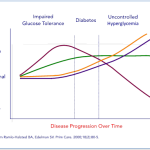 Here's another test of your graph-interpreting skills! Follow the link to see this graph at full size and indicate the parameter that best describes Curve 4.
1. Insulin Secretion
2. Postprandial glucose
3. Fasting glucose
4. Insulin Resistance
Here's another test of your graph-interpreting skills! Follow the link to see this graph at full size and indicate the parameter that best describes Curve 4.
1. Insulin Secretion
2. Postprandial glucose
3. Fasting glucose
4. Insulin Resistance
Read More »
Sep 24, 2016
Polls
2,318 views
When Lilly’s new Bio-Similar insulin for Lantus becomes available for maybe 20% less, will you let your patients know? Follow the link to share your opinion!
Read More »
Sep 20, 2016
Disasters Averted
3,709 views
I received a call from a physician’s office regarding a patient who needed education as soon as possible. Her A1C had risen to 7.5 and at 64 years old, the patient needed to make changes. The only problem: the patient was blind. The patient lived alone with her Seeing Eye dog and was assisted by her brother. She lived a relatively normal life despite her blindness, working a clerical job and visiting the gym 2 days per week. As an educator, I had never dealt with a truly sightless individual and was feeling ill-equipped to take on this challenge. The majority of the diabetes patients in our small rural clinic have sight enough to manage their disease. I started to think of all the things we take for granted when teaching our patients, such as lancing their fingers, reading a label, even simply putting the correct amount of food on their plate. All that was thrown out the window. How did I help this patient to see her diabetes care?
Read More »
 Diabetes In Control. A free weekly diabetes newsletter for Medical Professionals. News and information for Medical Professionals.