Summary of present-day knowledge: We know today that the pancreatic islets are innervated by parasympathetic, sympathetic, and sensory nerves. The parasympathetic nerves stimulate insulin and glucagon secretion whereas sympathetic nerves inhibit insulin secretion and stimulate glucagon secretion; the net influence of the sensory nerves is not yet clearly established.
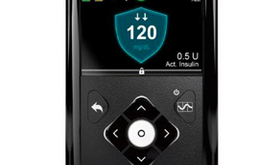
Read More »FDA Approves First Artificial Pancreas
Device automatically monitors blood glucose levels and delivers insulin when appropriate for people age 14 years and older who have type 1 diabetes.
Read More »EASD: Another New Diabetes Drug Reduces CV Risk
Semaglutide reduced major cardiovascular events by 26% in adults with type 2 at high cardiovascular risk.
Read More »EASD: Statins Can Improve Infections in People with Diabetes
Patients treated for cholesterol lowering appear to have extra benefits.
Read More »40% of Diabetes Patients Not Getting Treatment To Prevent Heart Attacks and Strokes
Research reveals important gaps in care.
Read More »Reclassifying Diabetes: is it Time for an Expanded Definition?
For those healthcare providers who treat diabetes with any kind of regularity, it has become increasingly obvious that several of our patients fall outside the current diabetes classification system. With individualization of patient care being the new focus, it can be challenging to accomplish this, when certain diabetic individuals don’t “conform” to the current definitions.
Read More »Artificial Pancreas Recommendations
The FDA-approved artificial pancreas will probably be available the first quarter of 2017 from Medtronic. Will you recommend it now or will you wait for at least 1-2 years? Follow the link to share your response!
Read More »Question 855
Please select the drug class that best fits the description. This oral drug class slows the intestinal digestion and absorption of carbohydrates: 1. Sulfonylureas 2. DPP-4 Inhibitors 3. Alpha-glucosidase inhibitors 4. Bile Acid sequestrates Did you get it right? Follow the link to find out!
Read More »Denial: Numbers Don’t Lie
Woman, 64 years of age. History of Class II Obesity and hyperlipidemia. While she had obesity, her glucose levels were elevated. A1C 8.2%. She followed a lower carb meal plan, was active, took metformin and a GLP-1, a statin and an ACE-I. She lost 22% total body weight. A1C then remained in the 6-6.5% range for 3 years on this treatment plan. Over the past 8 months, due to insurance and her statement of denial that she ever really had diabetes, she stopped taking her glucose-lowering medication, statin, and ACE-I, wasn’t as strict with meal plan or activity, and stopped checking her glucose, but did not gain back her weight.
Read More »Dr. Yehuda Handelsman, Part 3 – Where to Start Diabetes Treatment
Dr. Yehuda Handelsman talks with Diabetes in Control Publisher Steve Freed at the 2016 AACE Meeting. In part 3 of this Exclusive Interview, Dr. Handelsman explains how he prioritizes medications/lifestyle changes when treating diabetes and managing various co-morbidities.
Read More »
Diabetes In Control. A free weekly diabetes newsletter for Medical Professionals. News and information for Medical Professionals.