 Diabetes In Control. A free weekly diabetes newsletter for Medical Professionals. News and information for Medical Professionals.
New research challenges assumptions about the exocrine pancreas in type 2 diabetes and what pancreatic findings may mean for clinical care.
Read More »Type 2 Diabetes Damages the Pancreas, Or Does It?

New research challenges assumptions about the exocrine pancreas in type 2 diabetes and what pancreatic findings may mean for clinical care.
Read More »
Discover how psychotherapy for type 2 diabetes may improve A1C, support self-management, and influence weight and metabolic health.
Read More »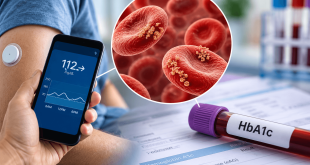
Discover how red blood cell lifespan and biology can affect A1C results, explaining why similar glucose levels may produce different A1C readings.
Read More »
Could the carbohydrates eaten at breakfast affect the blood sugar response to lunch? Research on resistant starch and the second-meal effect suggests they might. Resistant starch escapes much of the digestion that normally occurs in the small intestine. As a result, less of it is immediately converted to glucose, while …
Read More »
Diabetes complications are often discussed in terms of the heart, kidneys, eyes, and nerves. However, diabetes can also affect joints and connective tissue. Adhesive capsulitis, or frozen shoulder, is one diabetes-related complication that deserves more attention. It can begin with ordinary shoulder pain and gradually make simple movements surprisingly difficult. …
Read More »
Time-restricted eating has become a popular approach to weight management, but what happens when insulin-dependent diabetes enters the picture? Until recently, evidence on time-restricted eating in people with type 1 diabetes was notably limited. A new randomized controlled trial published in Diabetes Care offers some of the first direct evidence. …
Read More »
Could continuous glucose monitoring do more than improve glucose levels and help prevent hypoglycemia? New research raises that possibility. A large observational study examining CGM use and mortality in people with type 1 diabetes found that starting continuous glucose monitoring was associated with a lower risk of death among older …
Read More »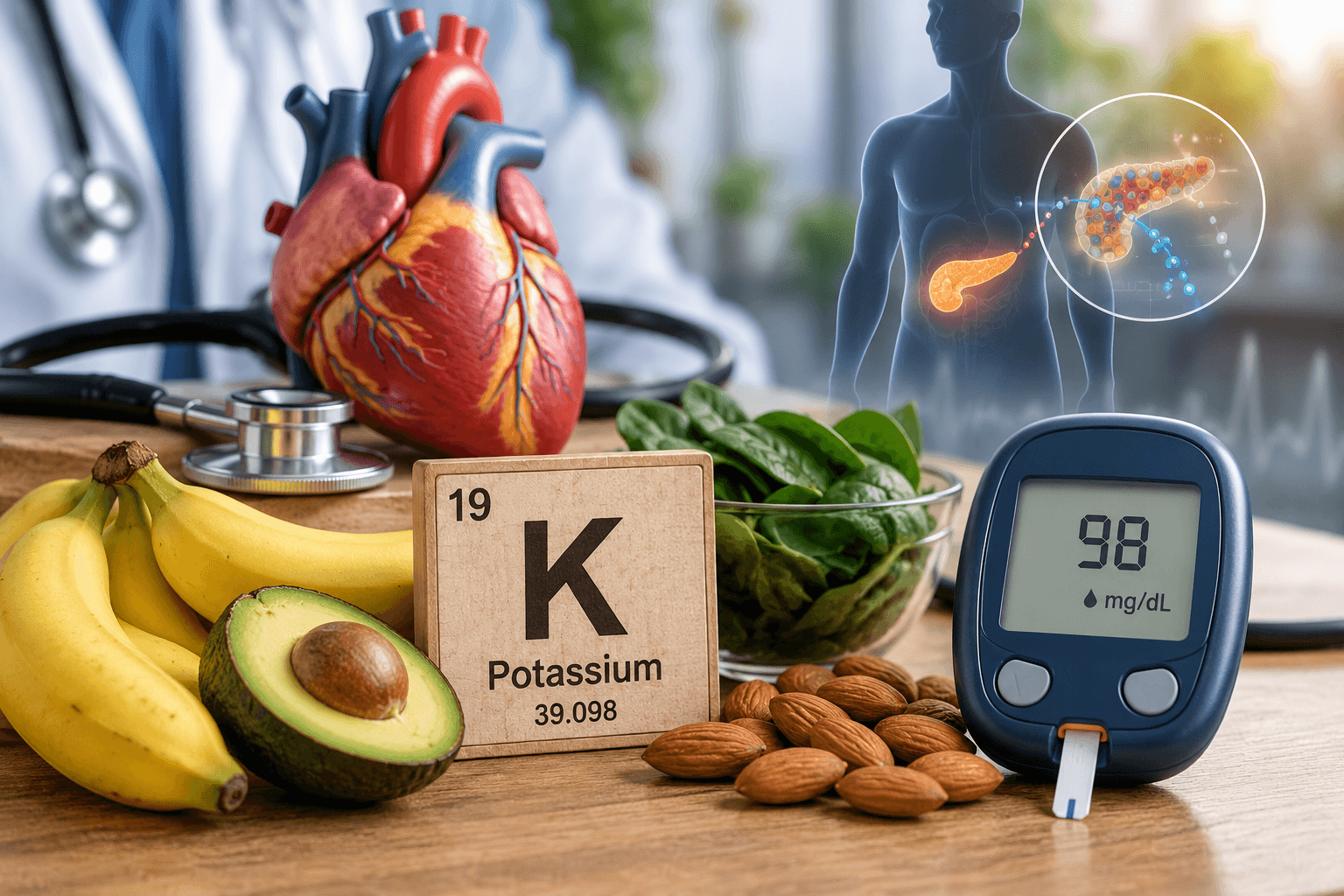
Low potassium is usually viewed through a cardiovascular lens, especially in patients with heart failure. However, emerging evidence suggests clinicians may have another reason to pay attention. New research examining the relationship between hypokalemia and diabetes risk found that lower serum potassium levels were associated with a greater risk of …
Read More »When glucose numbers improve, patients are expected to feel better. Yet some people with type 1 diabetes report the opposite. A glucose level that looks reassuring on a continuous glucose monitor may leave them feeling tired, uncomfortable, or simply “off.” New research suggests that glycemic habituation may help explain this …
Read More »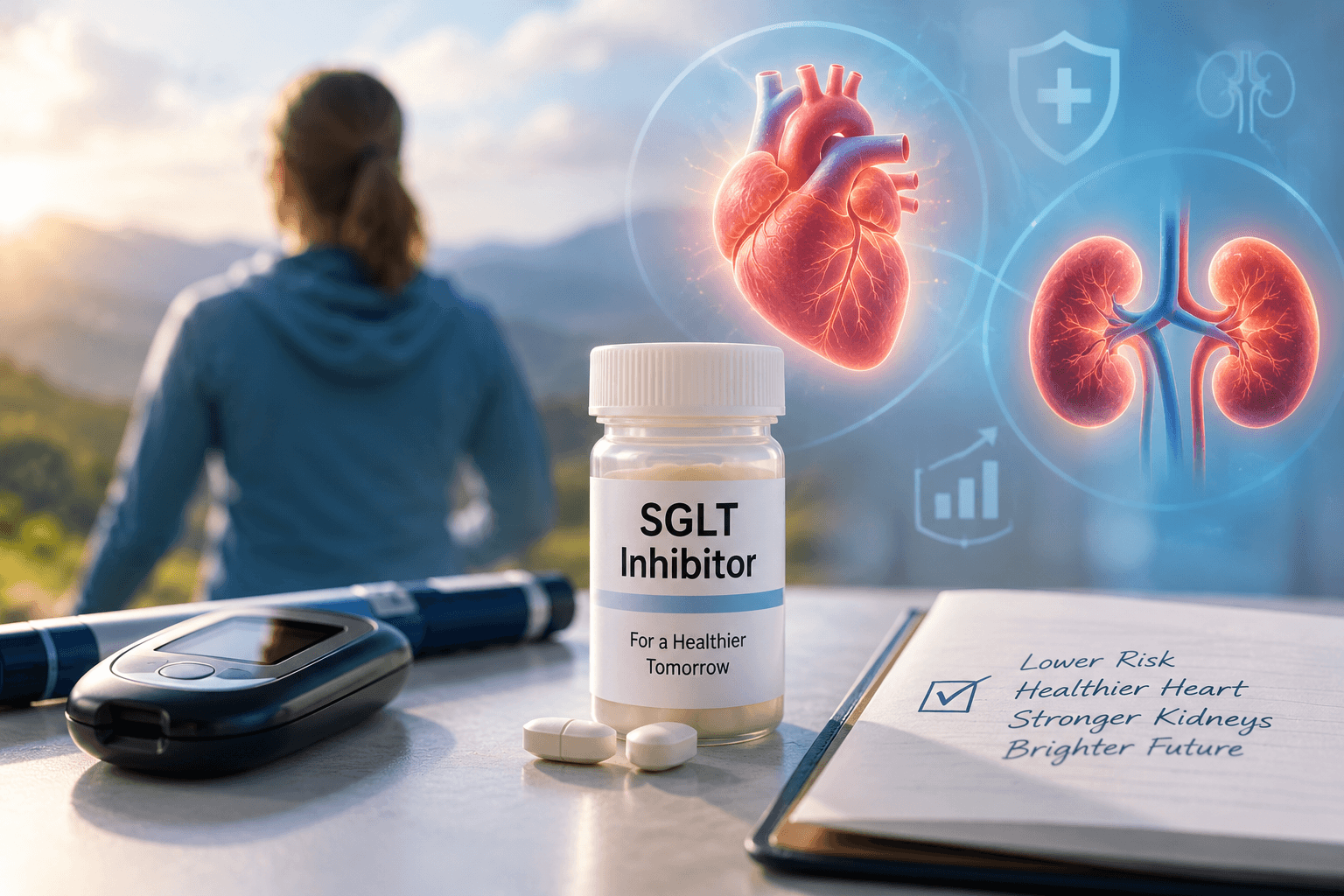
SGLT inhibitors have changed the treatment landscape for cardiovascular and kidney disease, particularly in people with type 2 diabetes, heart failure, and chronic kidney disease. That success raises an obvious question: why are SGLT inhibitors in type 1 diabetes still largely outside routine clinical practice? The answer is not a …
Read More »