Jun 1, 2026
Articles, Blood Glucose Control, Blood Glucose Control, Diabetes, Healthtips, Prevention, Type 2 Diabetes, Type 2 Diabetes
1,309 views
Extreme heat is no longer a rare seasonal inconvenience. Across the globe, heat waves are becoming longer, more frequent, and more dangerous. For people living with diabetes, rising global temperatures and more frequent heat waves can create serious health risks that many patients may not fully understand. As discussions about …
Read More »
Jun 1, 2026
Articles, Bone & Joint, Diabetes, Prevention, Type 2 Diabetes, Type 2 Diabetes
1,391 views
People living with diabetes already face challenges related to blood sugar, cardiovascular disease, kidney health, and nerve damage. However, another issue is now gaining attention among healthcare professionals: bone health. Research continues to show that patients with diabetes have a higher risk of fractures, falls, and long-term mobility problems, even …
Read More »
May 28, 2026
Articles, Blood Glucose Control, Blood Glucose Control, Diabetes, Prevention, Type 2 Diabetes, Type 2 Diabetes
1,453 views
Poor sleep does more than leave people tired the next day. For many individuals living with diabetes, disrupted sleep may quietly worsen glucose control, increase cardiovascular risk, and complicate long-term metabolic health. As research continues to uncover the close relationship between sleep and metabolic function, more healthcare providers are referring …
Read More »
May 27, 2026
Articles, Diabetes, Practice Management, Type 2 Diabetes, Type 2 Diabetes
1,304 views
As diabetes rates continue to rise across the United States, another healthcare challenge is becoming harder to ignore: the diabetes workforce shortage. While new medications, continuous glucose monitors, and AI-supported tools are changing care, many patients still struggle to find specialists who can help them manage complex treatment plans. This …
Read More »
May 27, 2026
Articles, Blood Glucose Control, Blood Glucose Control, Diabetes, Prediabetics, Prevention, Surgery
1,779 views
Many hospitals now treat surgery as more than a single procedure. Increasingly, it has become an opportunity to uncover hidden health conditions that may otherwise go undetected for years. One important trend is perioperative diabetes screening, which helps health systems identify patients with undiagnosed diabetes and prediabetes before surgery begins. …
Read More »
May 26, 2026
Articles, Blood Glucose Control, Blood Glucose Control, Diabetes, Neuropathy & Pain, Prevention, Type 2 Diabetes, Type 2 Diabetes
2,402 views
Diabetes-related complications often bring to mind kidney disease, neuropathy, or vision problems. However, one complication continues to receive far less attention despite growing scientific concern: hearing loss linked to diabetes. Emerging evidence suggests that people with diabetes may face a significantly higher risk of hearing decline, yet routine auditory screening …
Read More »
May 25, 2026
Articles, Devices, Diabetes, Podiatry, Prevention, Type 2 Diabetes, Type 2 Diabetes, Wound Care
1,938 views
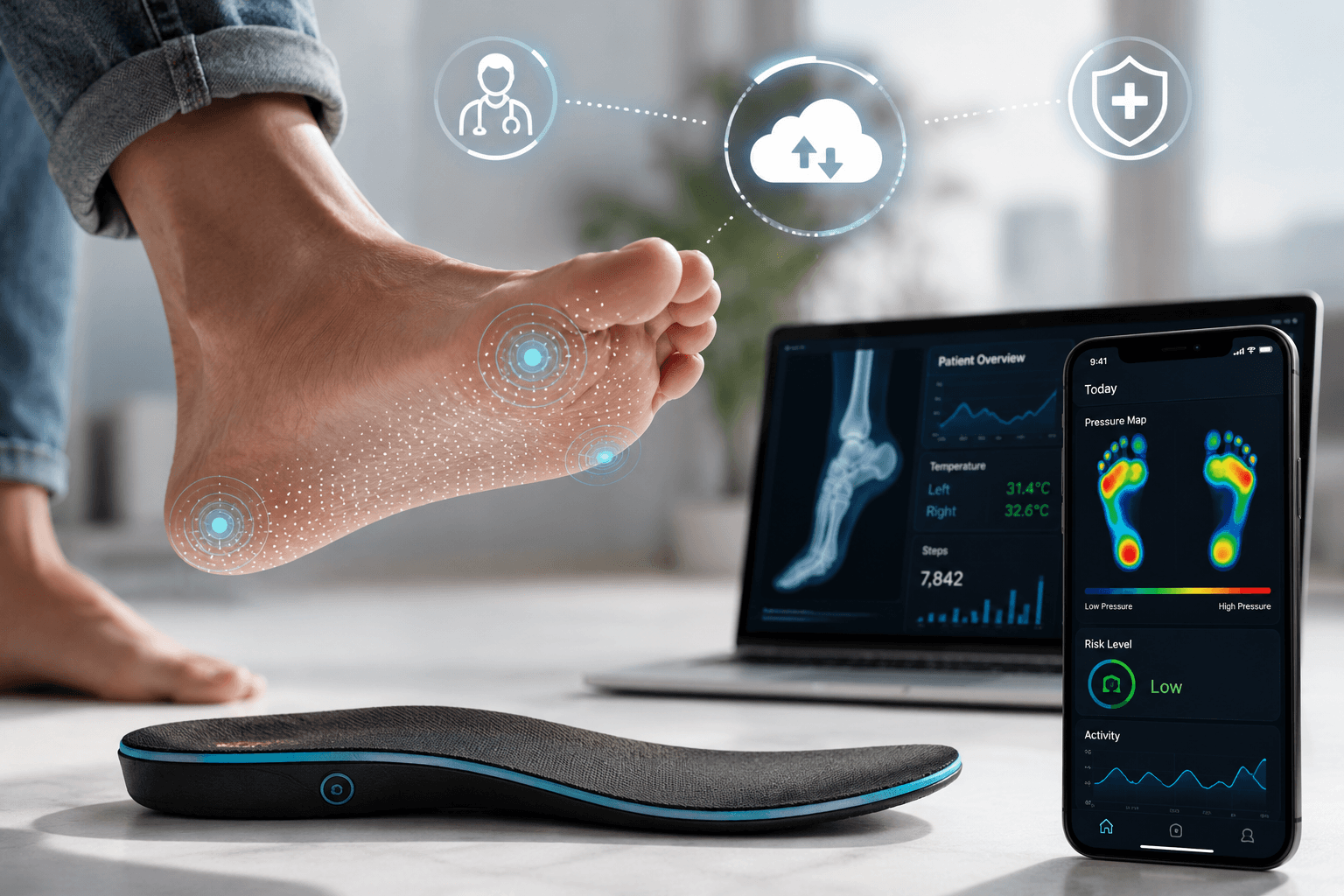
For many people living with diabetes, foot complications often begin quietly. A small pressure point, unnoticed inflammation, or minor skin breakdown can slowly develop into a serious ulcer. Unfortunately, traditional diabetic foot care has long been reactive. Clinicians typically intervene after visible wounds appear, when treatment becomes more difficult and …
Read More »
May 20, 2026
Articles, Blood Glucose Control, Blood Glucose Control, Devices, Diabetes, Prediabetes, Prediabetics, Prevention
1,461 views
Prediabetes has traditionally been diagnosed during annual physical exams through fasting glucose tests or A1C measurements. However, new diabetes prevention tools and wearable technologies are rapidly changing that model. Today, wearable devices, continuous glucose monitors (CGMs), and predictive metabolic tracking tools are giving people real-time insight into their glucose patterns …
Read More »
May 19, 2026
AI-news, Articles, Devices, Diabetes, Ophthalmology, Prevention, Type 2 Diabetes, Type 2 Diabetes
1,516 views
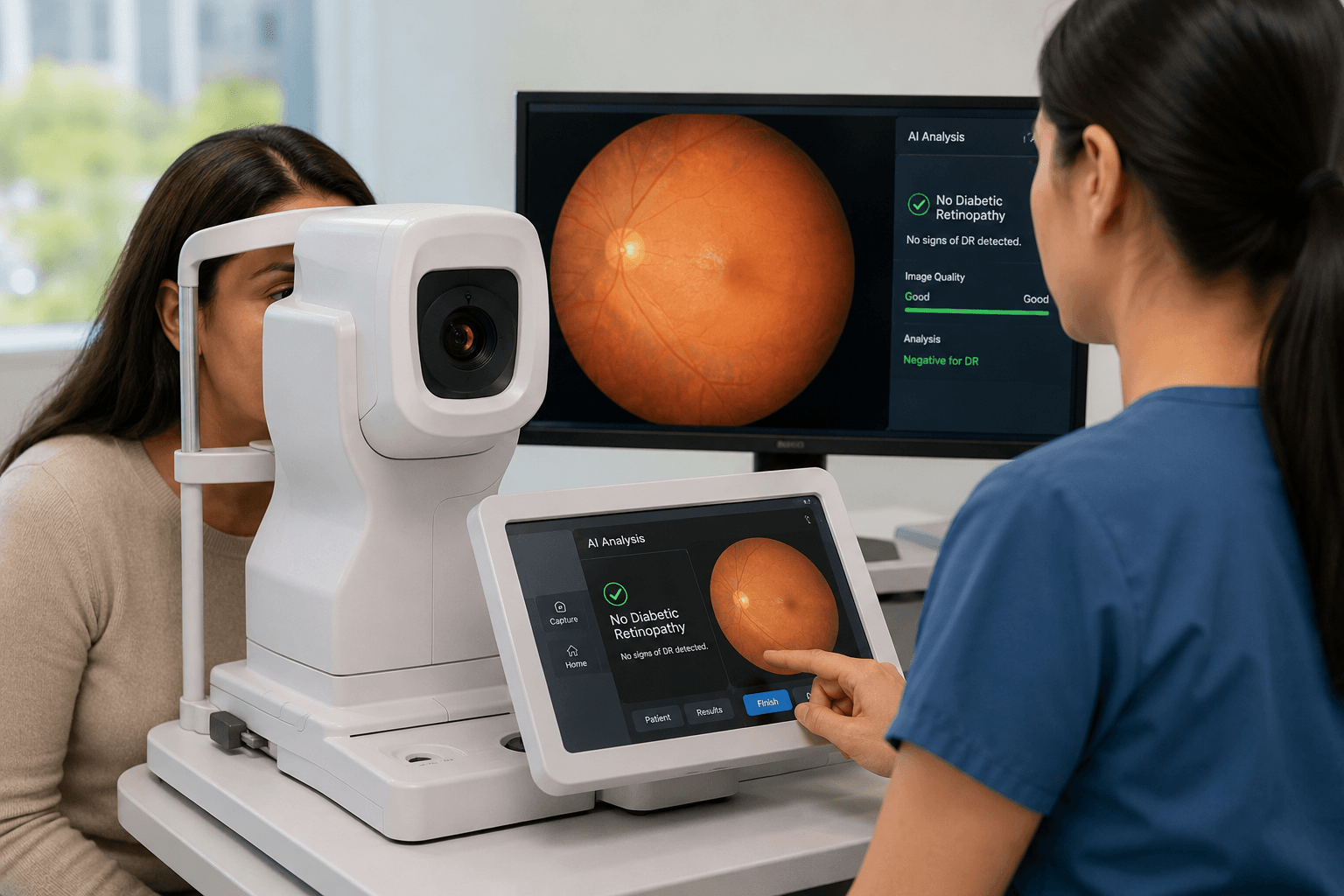
Diabetic retinopathy remains one of the leading causes of preventable blindness worldwide. Yet despite clear screening guidelines, many patients with diabetes still miss their annual retinal exams. Busy schedules, limited specialist access, transportation barriers, and lack of awareness often delay diagnosis until vision changes become permanent. As healthcare systems search …
Read More »
May 14, 2026
Articles, Blood Glucose Control, Blood Glucose Control, Clinical Gems, Diabetes, Prediabetes, Prevention, Type 2 Diabetes, Type 2 Diabetes
1,262 views
Diabetes screening has improved over the last two decades, yet many patients still fall through the cracks. While clinicians often rely on traditional risk models that focus on obesity, age, family history, and sedentary lifestyle, not every patient with diabetes fits that familiar picture. As a result, many diabetes cases …
Read More »
 Diabetes In Control. A free weekly diabetes newsletter for Medical Professionals. News and information for Medical Professionals.