May 12, 2026
Articles, Diabetes, GLP- 1 Agonist Therapy Center, GLP-1 Agonist Therapy Center, Obesity, Obesity, Practice Management, Type 2 Diabetes, Type 2 Diabetes
1,697 views
A patient starts semaglutide through a telehealth platform, receives nutrition advice from a wellness clinic, and later visits a primary care physician for worsening gastrointestinal symptoms. None of the providers can see the full treatment picture. Situations like this are becoming increasingly common as GLP-1 medications move across multiple corners …
Read More »
Apr 29, 2026
Articles, Diabetes, Pediatrics, Prevention, Type 1 Diabetes, Type 1 Diabetes
954 views
Can we actually prevent type 1 diabetes before symptoms appear? Increasingly, the answer is yes. As research evolves, clinicians now have stronger tools to identify at-risk children earlier and delay disease progression. This shift is especially important because type 1 diabetes often develops silently before diagnosis. Therefore, early screening and …
Read More »
Apr 24, 2026
Articles, Diabetes, Prevention, Therapies, Type 1 Diabetes, Type 1 Diabetes
2,074 views
Can a chronic condition like type 1 diabetes be slowed before it fully develops? Recent long-term studies suggest that preventing or delaying type 1 diabetes may be closer to reality than once believed. In fact, emerging immunotherapy data is changing how clinicians view early-stage disease and the opportunity to intervene …
Read More »
Apr 14, 2026
Articles, Diabetes, GLP- 1 Agonist Therapy Center, GLP-1 Agonist Therapy Center, Safety, Type 2 Diabetes, Type 2 Diabetes
1,705 views
A proper baseline assessment for GLP-1 therapy has become a critical yet sometimes overlooked step in modern diabetes care. In fast-moving clinical environments, especially with the rise of telehealth, providers may feel pressure to initiate GLP-1 therapy quickly. However, skipping essential baseline evaluations can lead to missed risks, poor outcomes, …
Read More »
Mar 12, 2026
Articles, Cardiology, Nephrology, Prevention, Type 2 Diabetes, Type 2 Diabetes
2,415 views
The concept of CKM staging in primary care has gained attention as clinicians look for better ways to manage the growing overlap between cardiovascular disease, kidney disease, diabetes, and metabolic disorders. However, many providers still wonder how to translate the CKM framework into daily clinical practice. Think of CKM staging …
Read More »
Mar 6, 2026
Articles, Blood Glucose Control, Blood Glucose Control, Diabetes, Safety, Sulfonylurea, Type 2 Diabetes, Type 2 Diabetes
3,875 views
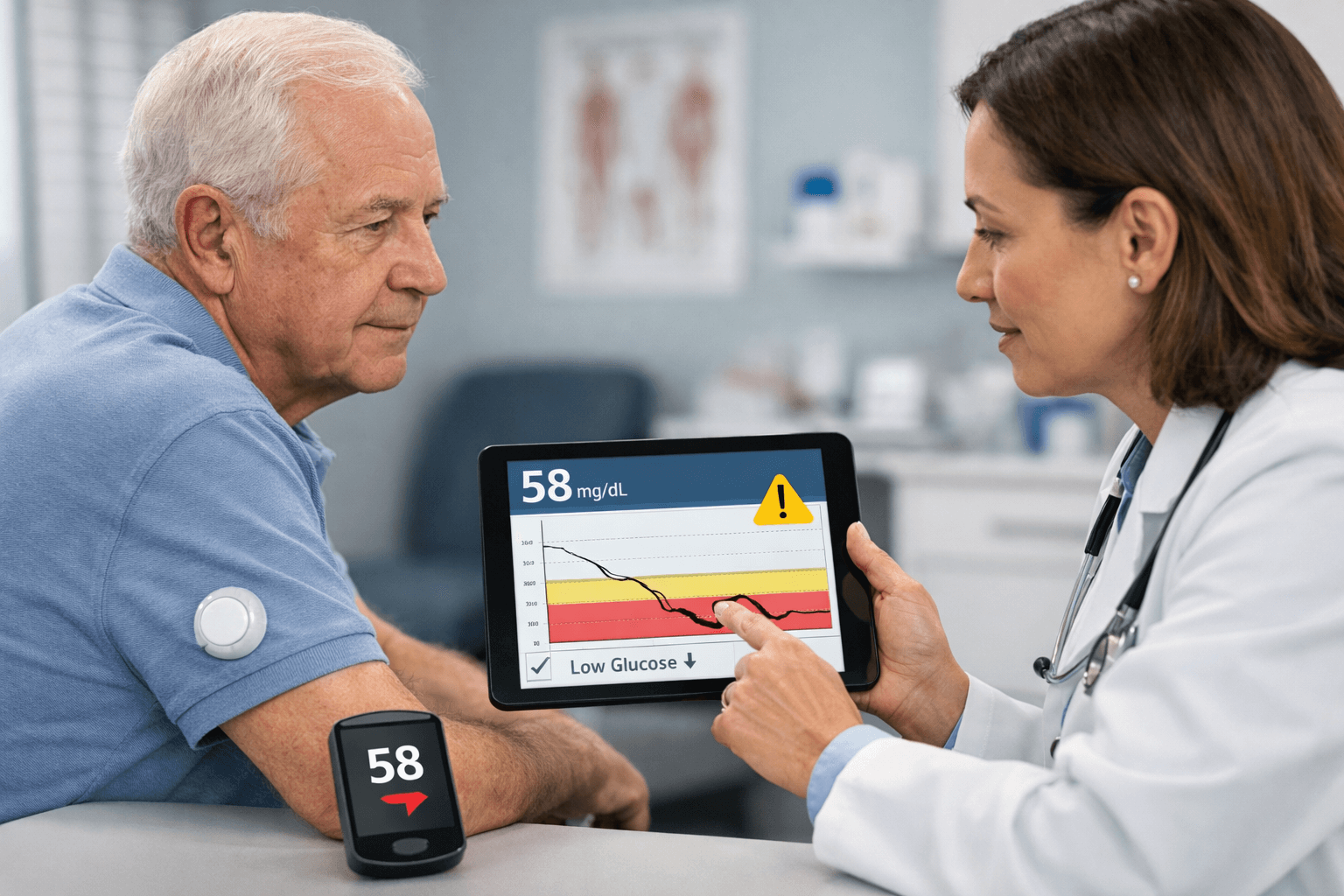
Managing the risk of hypoglycemia remains a central challenge in diabetes care, even as newer therapies lower the rate of severe events. Although GLP-1 receptor agonists and SGLT2 inhibitors have reshaped treatment strategies, insulin and sulfonylureas are still widely used, especially among older adults and patients with chronic kidney disease …
Read More »
Mar 2, 2026
Articles, Diabetes, Obesity, Safety, Type 2 Diabetes, Type 2 Diabetes
3,254 views
The expanding use of GLP-1 receptor agonists for type 2 diabetes and obesity has transformed metabolic care. However, growing awareness of the potential gallbladder risks associated with GLP-1 therapy has prompted clinicians to take a closer look at hepatobiliary safety. Rapid weight loss and altered bile composition during treatment may …
Read More »
Feb 23, 2026
Articles, Diabetes, Oncology, Safety, Type 2 Diabetes, Type 2 Diabetes
4,229 views
Concerns about GLP-1 pancreatic cancer risk have circulated for more than a decade. When glucagon-like peptide-1 receptor agonists first entered the market, early post-marketing reports and small observational studies raised alarms about pancreatitis and possible malignancy. As a result, clinicians and patients questioned the long-term safety of agents such as …
Read More »
Feb 20, 2026
Articles, Blood Glucose Control, Blood Glucose Control, Diabetes, Diet and Nutrition, Prevention
4,715 views
Diabetes management often begins with nutrition advice. However, what happens when patients cannot afford fresh produce or live miles from a grocery store? For many people living with diabetes, food insecurity is a growing yet underrecognized barrier to glycemic control. While clinicians routinely discuss carbohydrate counting and meal planning, they …
Read More »
Feb 19, 2026
Articles, Blood Glucose Control, Blood Glucose Control, Diabetes, Prevention
2,133 views
Hospital discharge should mark a fresh start. However, for many patients, the period after a diabetes hospital discharge becomes a danger zone. The days following a hospital discharge for diabetes are often marked by hypoglycemia, medication confusion, and missed follow-up visits. In fact, the first 30 days often determine whether …
Read More »
 Diabetes In Control. A free weekly diabetes newsletter for Medical Professionals. News and information for Medical Professionals.