Jul 2, 2026
Articles, Blood Glucose Control, Blood Glucose Control, Diabetes, Insulin Therapy Center, Therapies, Type 1 Diabetes, Type 1 Diabetes, Type 2 Diabetes, Type 2 Diabetes
3,338 views
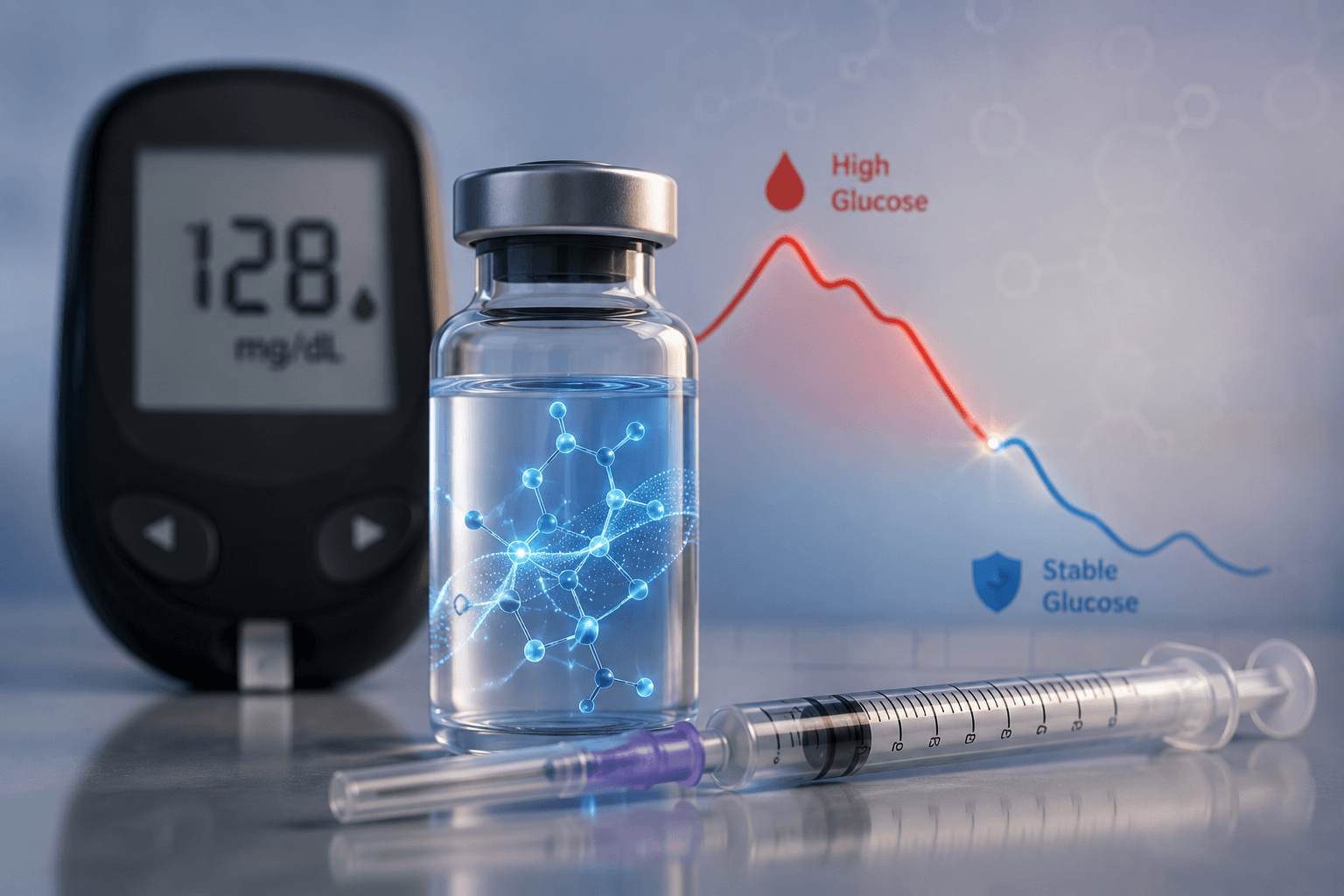
For more than a century, insulin has saved millions of lives. Yet despite remarkable advances in diabetes technology, one major challenge remains: preventing hypoglycemia while maintaining excellent glucose control. That is why researchers are developing glucose-responsive insulin, often called “smart” insulin. Instead of delivering a fixed amount of insulin regardless …
Read More »
Jun 17, 2026
Articles, Diabetes, Insulin Therapy Center, Type 1 Diabetes, Type 1 Diabetes
2,274 views
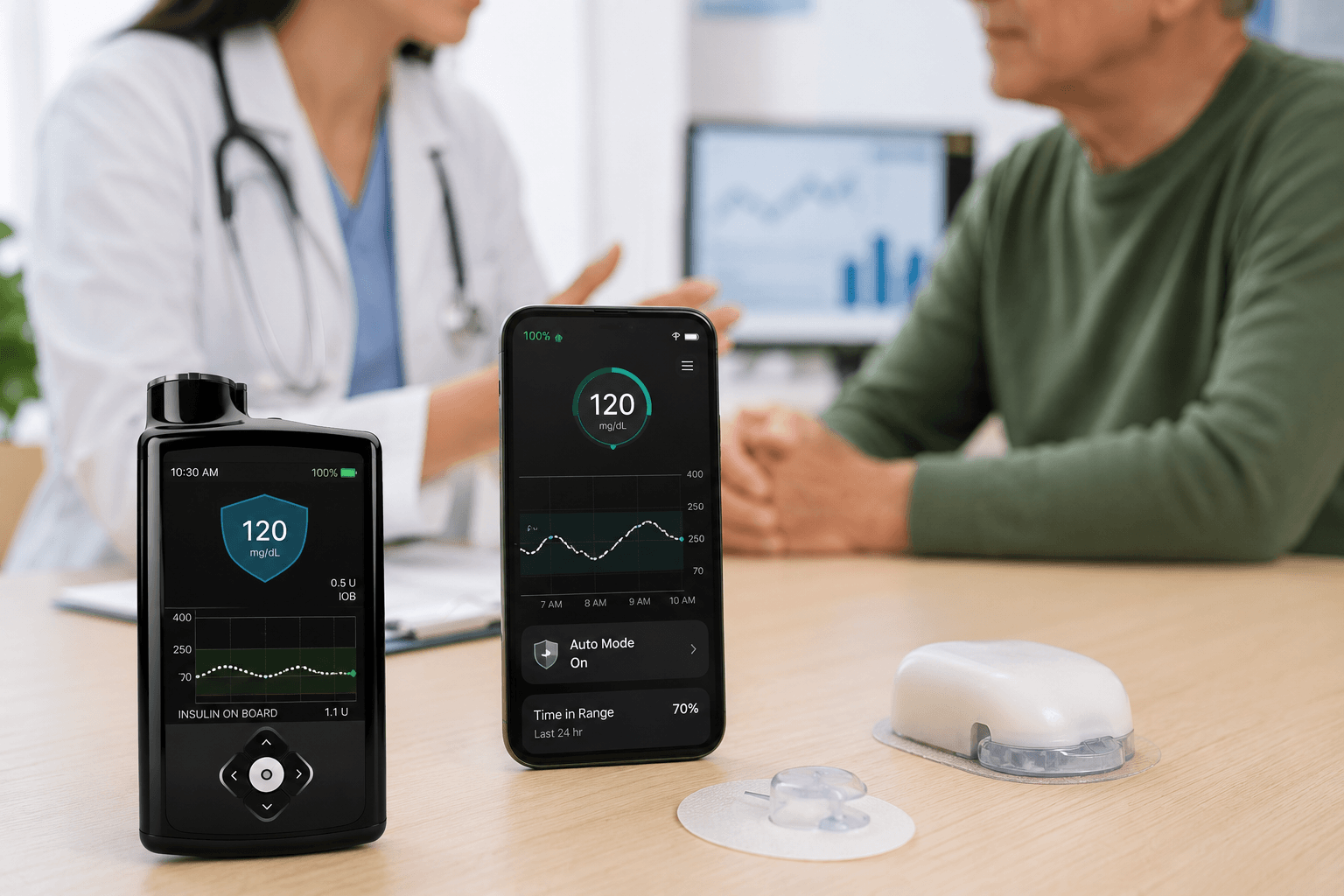
For many people living with diabetes, gaining access to an automated insulin delivery (AID) system can be life-changing. These technologies help improve glycemic outcomes, reduce hypoglycemia risk, and ease the daily burden of diabetes management. Yet despite their proven benefits, many patients continue to face lengthy delays before gaining access. …
Read More »
Jun 12, 2026
Articles, Blood Glucose Control, Blood Glucose Control, Diabetes, Insulin Therapy Center, Type 1 Diabetes, Type 1 Diabetes, Type 2 Diabetes, Type 2 Diabetes
6,526 views
For many people living with diabetes, insulin is more than a medication—it is a lifeline. Yet despite its critical role, some patients stop taking insulin without informing their healthcare provider. The reasons vary widely and may include medication costs, treatment fatigue, fear of side effects, weight gain concerns, or misunderstandings …
Read More »
Jun 11, 2026
Articles, Diabetes, Insulin Therapy Center, Type 1 Diabetes, Type 1 Diabetes, Type 2 Diabetes, Type 2 Diabetes
3,952 views
Many healthcare providers focus heavily on daytime glucose control, yet some of the most dangerous hypoglycemic episodes occur while patients are asleep. Despite major advances in insulin therapy and glucose monitoring, nocturnal hypoglycemia remains a significant clinical concern for people living with diabetes. Because symptoms often go unnoticed during sleep, …
Read More »
Jun 4, 2026
Articles, Blood Glucose Control, Blood Glucose Control, Diabetes, Insulin Therapy Center, Type 2 Diabetes
17,967 views
Patients treated with corticosteroids for asthma, COPD exacerbations, rheumatologic disease, inflammatory bowel disease, or cancer-related complications often develop significant elevations in blood glucose. In many cases, these patients have no prior history of diabetes. Yet within days of therapy initiation, blood glucose levels can rise dramatically, creating a challenging clinical …
Read More »
May 29, 2026
Articles, Blood Glucose Control, Blood Glucose Control, Devices, Diabetes, Insulin Therapy Center, Type 1 Diabetes, Type 1 Diabetes
1,539 views
For years, diabetes care has relied on one key rule: insulin should be given before meals whenever possible. Yet many people living with diabetes still struggle with timing. Busy schedules, unpredictable eating habits, and delayed dosing often lead to postprandial glucose spikes. Now, with the rise of ultra-rapid insulin AID …
Read More »
May 21, 2026
Articles, Blood Glucose Control, Blood Glucose Control, Devices, Diabetes, Insulin Therapy Center, Therapies, Type 2 Diabetes, Type 2 Diabetes
2,254 views
Automated insulin delivery for people with type 2 diabetes is entering a new phase. What once seemed reserved for highly specialized endocrinology clinics is now moving steadily into primary care offices across the country. Following the updated 2026 American Diabetes Association Standards of Care and recent FDA clearances, more adults …
Read More »
May 15, 2026
Articles, Blood Glucose Control, Blood Glucose Control, Diabetes, Insulin Therapy Center, Type 1 Diabetes, Type 1 Diabetes, Type 2 Diabetes, Type 2 Diabetes
4,198 views
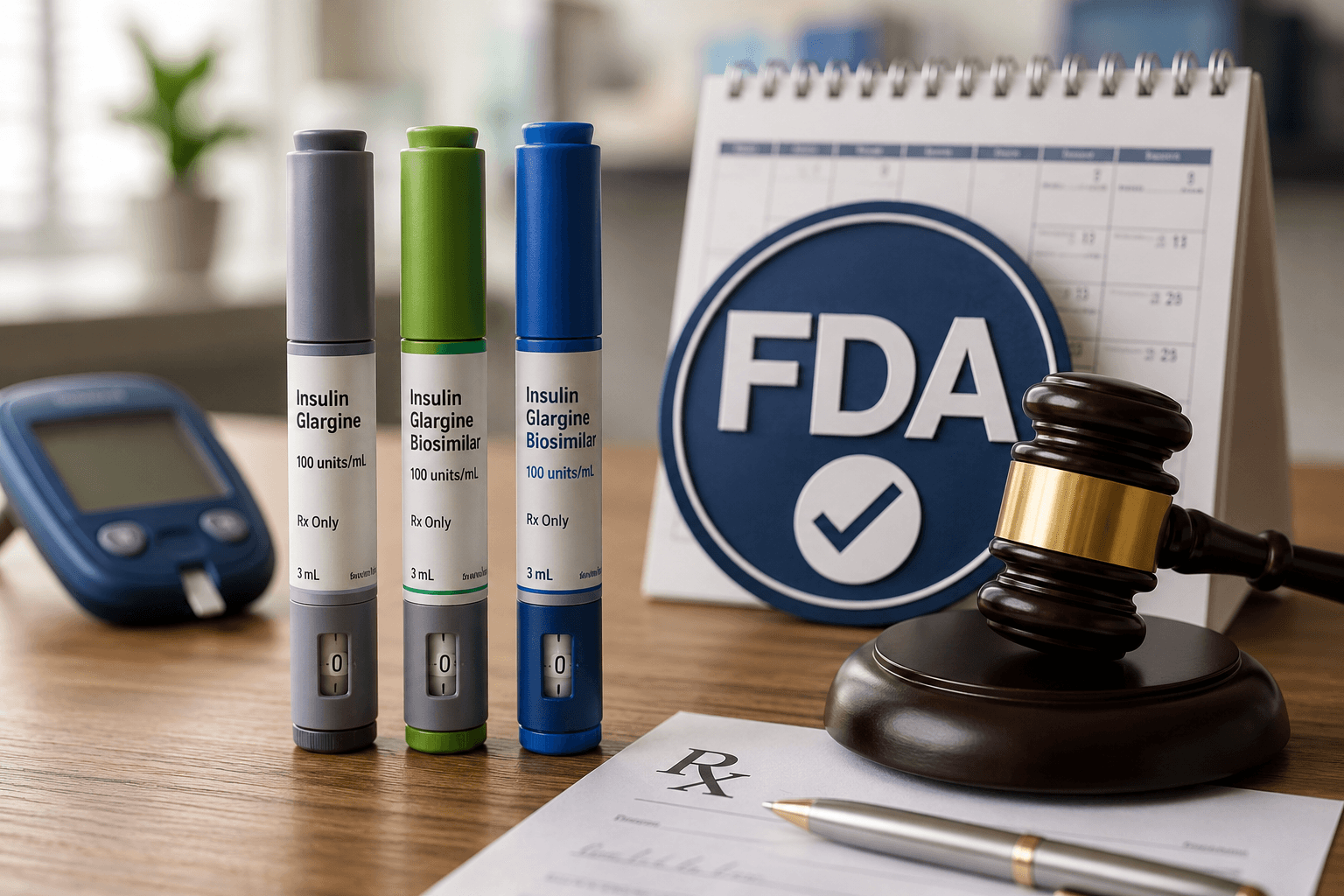
A patient arrives at the pharmacy expecting their usual insulin refill, only to discover the box, brand name, and pen device suddenly look different. The pharmacist explains that the medication is an interchangeable biosimilar approved for automatic substitution. Although the insulin is considered clinically equivalent, the unexpected switch can still …
Read More »
Feb 26, 2026
Articles, Blood Glucose Control, Blood Glucose Control, Diabetes, Insulin Therapy Center, Type 2 Diabetes, Type 2 Diabetes
2,064 views
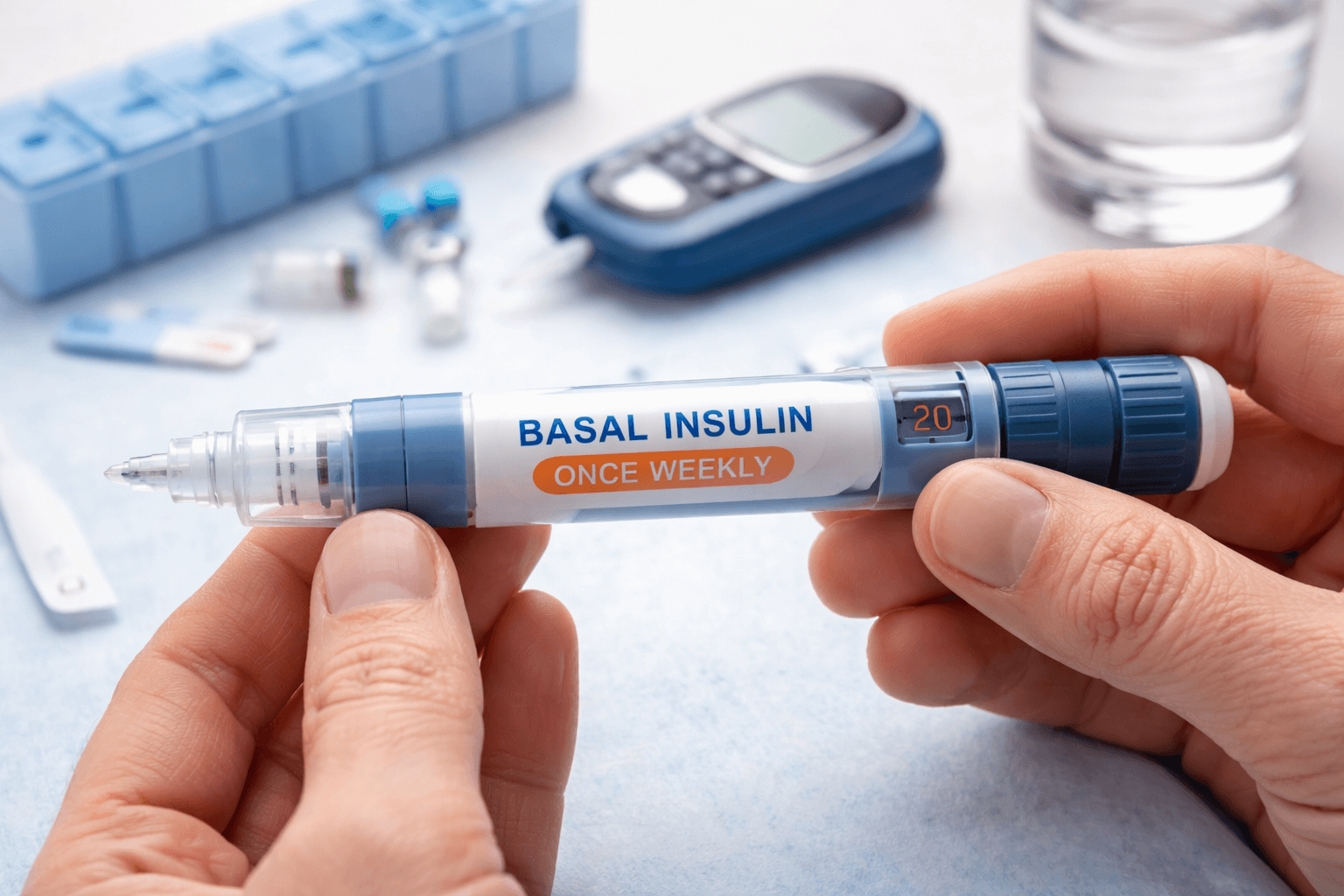
The arrival of a once-weekly basal insulin option marks one of the most meaningful advances in insulin therapy in decades. For years, daily basal injections have been the standard of care for people with type 1 and type 2 diabetes. However, many patients struggle with adherence, missed doses, and therapeutic …
Read More »
Dec 4, 2025
Articles, Blood Glucose Control, Diabetes, Insulin Therapy Center, Therapies, Type 2 Diabetes
1,384 views
Could the conventional “lifelong treatment” model for type 2 diabetes be rethought? Recent trials suggest that short‑term intensive therapy may offer more than transient glycemic control—it might trigger lasting remission in newly diagnosed patients. Such interventions, combining aggressive pharmacologic therapy or insulin with lifestyle change, show potential to preserve β‑cell …
Read More »
 Diabetes In Control. A free weekly diabetes newsletter for Medical Professionals. News and information for Medical Professionals.