Feb 7, 2017
Blood Glucose Control, Devices
4,359 views
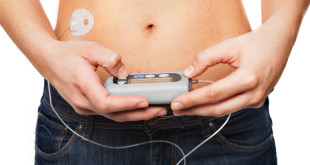
Woman, 53 years of age, type 1 diabetes, has been wearing an insulin pump for 18 years. Recently changed insulin pumps. Not only upgraded on a certain brand, but now has a totally different brand. We did not change settings when she started with her new pump. She called to let me know her glucose levels were higher since she has her new pump.
Read More »
Jan 28, 2017
Articles, Blood Glucose Control, Type 1 Diabetes
4,761 views
Two studies show use of sensor implanted under skin that continuously monitors glucose levels resulted in improved levels in T1 patients who inject insulin multiple times a day.
Read More »
Jan 28, 2017
Articles, Blood Glucose Control, Type 2 Diabetes
9,337 views
Study shows significant improvement in diabetes control with a 1 point drop in A1c with less hypoglycemia.
Read More »
Jan 10, 2017
Blood Glucose Control, Disasters Averted
4,049 views
Man, 51 years of age, type 1 diabetes for 32 years. Patient also has history of Class II obesity, CVA, MI and insulin resistance. Patient referred to Obesity Center for weight loss. A1c was 8.2%. Plan was to start Symlin. Symlin was added at 30mcg daily before dinner. I recommended he get a CGM. He did.
Read More »
Jan 7, 2017
Articles, Blood Glucose Control
25,865 views
Psychological health, access to care, expanded and personalized treatment options and the tracking of hypoglycemia emphasized.
Read More »
Jan 7, 2017
Articles, Blood Glucose Control
4,441 views
New recommendation based on results from two large clinical trials for patients with diabetes and CVD.
Read More »
Jan 7, 2017
Articles, Blood Glucose Control
4,241 views
Clinically significant hypoglycemia redefined, bariatric surgery renamed.
Read More »
Jan 7, 2017
Blood Glucose Control, Exercise, Featured Writers, Physical Activity
5,512 views
by Sheri Colberg, Ph.D., FACSM
My last article focused on why glucose was the best short-term treatment for hypoglycemia, but this time I want to switch gears and talk about why treating lows is not as straight-forward as you would think. It mainly stems from the fact that sometimes hypoglycemia can be very difficult to treat effectively and even hard to prevent in many cases, particularly related to physical activity.
Read More »
Jan 3, 2017
Blood Glucose Control, Disasters Averted
3,279 views
Yes, it’s that time of year again when your phone/email/computer is busy with patients wanting appointments and making commitments to make their New Year’s Resolutions.
Often at this time of the year, my patients come in wanting to change just about everything about what they eat, when they eat, how much they eat, and the same for being physically active. So many of these patients have told me they have tried and tried and tried and failed in the past, but now it’s the New Year and it’s going to be different.
Read More »
Dec 20, 2016
Blood Glucose Control, Disasters Averted
5,328 views
Female, 20 years of age, type 2 diabetes, is obese with anxiety disorder, untoward response to several classes of agents. Reports eating lower carbs since last seen. During the warm weather, random glucose levels and A1C were near normal. Today is a cold winter day. Random glucose 188mg/dl.
Read More »
 Diabetes In Control. A free weekly diabetes newsletter for Medical Professionals. News and information for Medical Professionals.