 Diabetes In Control. A free weekly diabetes newsletter for Medical Professionals. News and information for Medical Professionals.
HbA1c variability and swings between hypo- and hyperglycemia can increase risk of developing cardiovascular disease.
Read More »HbA1c Changes as a Predictor of Cardiovascular Disease Incidence

HbA1c variability and swings between hypo- and hyperglycemia can increase risk of developing cardiovascular disease.
Read More »
Recently I had a patient who was referred to me due to increased glucose levels, which happens all the time. However, this patient was referred because of the recent changes in fasting glucose levels. After attending a group diabetes class, the patient seemed to be improving self care and average fasting glucoses had dropped from around 165 mg/dl to 130 mg/dl. The readings held like this for two months and then started to rise again....
Read More »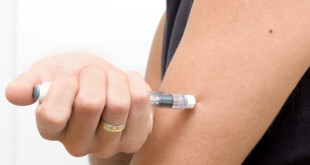
I asked a patient with erratic glucose levels where he usually gave his insulin injections to which he responded, "In my arms." I asked, "Could you show me where?" The patient promptly rolled up his sleeves and pointed to the vein in his antecubital space.
Read More »
A female patient, 68 years of age, newly diagnosed with type 2 diabetes, had her initial visit with her endocrinologist and diabetes educator. Her second visit was then scheduled for two weeks later. However, the patient was a no-show for her second appointment....
Read More »
Is QT prolongation the key to understanding the effect of intensive glucose control on diabetes mortality?
Read More »
Study finds that each 1% elevation in HbA1c increased risk for cellulitis in diabetes patients.
Read More »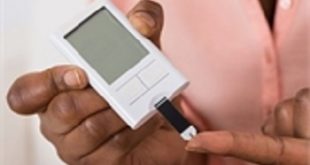
High glucose levels are known to potentiate microvascular complications, especially in people with diabetes, but does the same apply to people with normoglycemic levels?
Read More »
Intensive glucose-lowering techniques can have positive outcomes in patients >65 years.
Read More »
A first-of-its-kind study examines the differing effects of sucrose versus glucose intake on circulating glucagon-like peptide-1 (GLP-1).
Read More »
A small pilot study investigates how modest hyperglycemia, not hyperinsulinemia, is better for people with type 1 diabetes during exercise.
Read More »