 Diabetes In Control. A free weekly diabetes newsletter for Medical Professionals. News and information for Medical Professionals.
Once the patient is educated, they should be allowed to take charge of their care.
Read More »Diabetes Self-Management Education and Support (DSMES)

Once the patient is educated, they should be allowed to take charge of their care.
Read More »
Beta-blocker use in patients with T2DM and established CV risk factors associated with increased risk of CV events and severe hypoglycemia, according to recent study.
Read More »
Combination ANRI sacubitril/valsartan (EntrestoR) showed significant reduction in risk for cardiovascular death and hospitalization for worsening heart failure.
Read More »
Studies show that half of Chinese adults have an increased risk for prediabetes and diabetes; Tibetan and Muslim Chinese at lowest risk.
Read More »
People with type 1 diabetes receiving once-daily injection of glucagon-blocking drug, REMD-477 can reduce their insulin use considerably and improve blood glucose levels without altering hypoglycemia.
Read More »
The value of self-monitoring of blood glucose (SMBG) levels in patients with non-insulin-treated type 2 diabetes has been debated over the years.
Read More »
However, in 2016, Novo Nordisk halted the development of their basal oral insulin tablet.
Read More »
Results from two studies demonstrate improved glycemic control, reduction in nighttime- and exercise-induced hypoglycemia with the use of hybrid closed-loop systems.
Read More »
As we know, the most ineffective medication is the one needed but never taken. There are many reasons our patients don’t take prescription medicines, but a biggy is the cost. If a medicine is too expensive, the patient will not fill the prescription, therefore won’t take it. For example, when ordering an SGLT-2 and/or GLP-1, each can cost hundreds or more for a month’s prescription. Some are covered for both. Some are covered for one brand, but not the other.
Read More »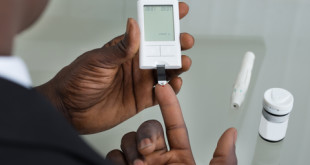
Male, 62 years of age, type 2 diabetes, class III obesity. Has been on metformin, 1,000mg twice daily. Glucose in the 200-300mg/dL range. A1C. Taught about lower carb meal plan, started on Trulicity, first 0.75mg, then 1.5mg/dL. Made the dietary changes right away with the addition of the Trulicity. Within 2 weeks glucose levels averaged 125, patient losing weight, decreased appetite and feeling good. More energy. Insurance did not cover Trulicity, but did cover Victoza, so started on Victoza. When made the change, started with the 0.6mg daily, then increased weekly to the 1.8mg/day.
Read More »