May 18, 2026
Articles, Blood Glucose Control, Blood Glucose Control, Devices, Diabetes, Metformin Therapy Center, Oncology, Therapies
1,745 views
Cancer treatment is evolving rapidly, and with that progress comes a new challenge for clinicians managing glucose disorders. As immune checkpoint inhibitors (ICIs) and PI3K inhibitors become more widely used in oncology, therapy-related hyperglycemia is appearing more often in clinical practice. Many patients receiving cancer treatment now face unexpected glucose …
Read More »
May 18, 2026
Articles, Blood Glucose Control, Blood Glucose Control, Devices, Diabetes, Type 1 Diabetes, Type 1 Diabetes, Type 2 Diabetes, Type 2 Diabetes
1,242 views
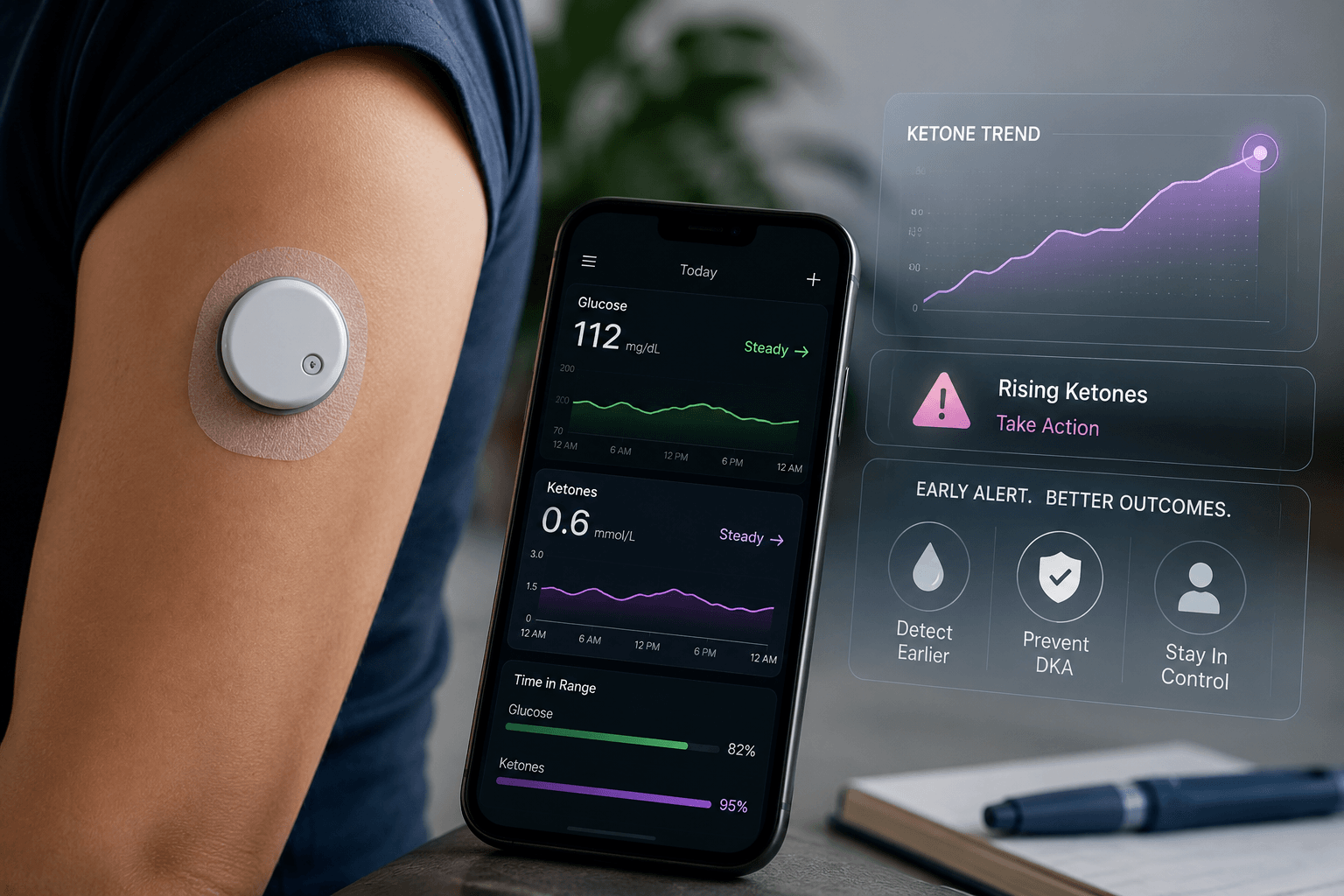
New advances in diabetes technology are moving beyond glucose alone. While continuous glucose monitoring transformed diabetes management over the last decade, wearable ketone monitoring systems are now emerging as the next major innovation. Researchers, device manufacturers, and international diabetes organizations are increasingly focused on whether real-time ketone data can help …
Read More »
May 15, 2026
Articles, Blood Glucose Control, Blood Glucose Control, Diabetes, Insulin Therapy Center, Type 1 Diabetes, Type 1 Diabetes, Type 2 Diabetes, Type 2 Diabetes
3,528 views
A patient arrives at the pharmacy expecting their usual insulin refill, only to discover the box, brand name, and pen device suddenly look different. The pharmacist explains that the medication is an interchangeable biosimilar approved for automatic substitution. Although the insulin is considered clinically equivalent, the unexpected switch can still …
Read More »
May 14, 2026
Articles, Blood Glucose Control, Blood Glucose Control, Clinical Gems, Diabetes, Prediabetes, Prevention, Type 2 Diabetes, Type 2 Diabetes
1,262 views
Diabetes screening has improved over the last two decades, yet many patients still fall through the cracks. While clinicians often rely on traditional risk models that focus on obesity, age, family history, and sedentary lifestyle, not every patient with diabetes fits that familiar picture. As a result, many diabetes cases …
Read More »
May 13, 2026
Articles, Blood Glucose Control, Blood Glucose Control, Diabetes, GLP- 1 Agonist Therapy Center, GLP-1 Agonist Therapy Center, Obesity, Obesity, Type 2 Diabetes, Type 2 Diabetes
3,113 views
Everything seems to be working perfectly until it suddenly isn’t. A patient is losing weight steadily, HbA1c levels are improving, and confidence is high during every follow-up visit. Then progress slows. The scale barely changes. Blood sugar readings stop improving. Patients start asking whether the medication has stopped working, while …
Read More »
May 7, 2026
Articles, Blood Glucose Control, Blood Glucose Control, Diabetes
2,657 views
Managing post-meal glucose levels plays a critical role in diabetes care, yet it is often overlooked in favor of A1C and time in range. However, what happens after meals can significantly affect long-term outcomes. Think of it like traffic flow: even if the highway looks clear overall, sudden congestion at …
Read More »
May 7, 2026
Articles, Blood Glucose Control, Blood Glucose Control, Diabetes, GLP- 1 Agonist Therapy Center, GLP-1 Agonist Therapy Center, Type 2 Diabetes, Type 2 Diabetes
1,943 views
What if the biggest missed opportunity in diabetes care is not a new drug, but when we start using it? Early GLP-1 therapy is gaining attention as clinicians rethink traditional treatment timelines. Instead of reserving GLP-1 receptor agonists for later stages, emerging evidence suggests starting sooner may improve outcomes and …
Read More »
May 6, 2026
Articles, Blood Glucose Control, Blood Glucose Control, Diabetes, GLP- 1 Agonist Therapy Center, GLP-1 Agonist Therapy Center, Type 2 Diabetes, Type 2 Diabetes
1,736 views
Rapid glycemic improvement with GLP-1 therapy is one of the most powerful benefits of modern diabetes care, but it can also create new clinical challenges. When glucose levels drop quickly, patients may face an increased risk of hypoglycemia if other medications are not adjusted in time. So, how do clinicians …
Read More »
May 4, 2026
Articles, Blood Glucose Control, Blood Glucose Control, Diabetes, Therapies, Type 2 Diabetes, Type 2 Diabetes
2,209 views
Why do so many patients begin treatment with good intentions, only to fall off track later? Staying consistent with diabetes treatment continues to challenge both patients and clinicians despite medical advances. While new therapies offer better control, long-term success still depends on consistency. However, many patients struggle to maintain routines, …
Read More »
Apr 28, 2026
Articles, Blood Glucose Control, Blood Glucose Control, Devices, Diabetes
1,914 views
Diabetic ketoacidosis remains one of the most serious complications of diabetes, yet managing it often relies on intermittent data points. What if clinicians could see ketone levels change in real time instead of waiting hours between lab tests? Continuous ketone monitoring for DKA is now emerging as a promising concept …
Read More »
 Diabetes In Control. A free weekly diabetes newsletter for Medical Professionals. News and information for Medical Professionals.