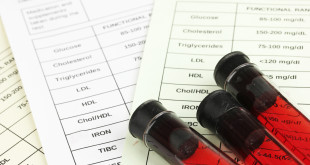
Woman, 64 years of age. History of Class II Obesity and hyperlipidemia. While she had obesity, her glucose levels were elevated. A1C 8.2%. She followed a lower carb meal plan, was active, took metformin and a GLP-1, a statin and an ACE-I. She lost 22% total body weight. A1C then remained in the 6-6.5% range for 3 years on this treatment plan. Over the past 8 months, due to insurance and her statement of denial that she ever really had diabetes, she stopped taking her glucose-lowering medication, statin, and ACE-I, wasn’t as strict with meal plan or activity, and stopped checking her glucose, but did not gain back her weight.
Read More »A New Way to Look at Diabetes: Exclusive Interview with Anthony Cincotta, Part 2
In part 2 of this exclusive ADA interview, Anthony Cincotta discusses the Cycloset Safety Trial study design and findings regarding the cardiovascular safety of Cycloset.
Read More »Combination of Insulin Glargine and Lixisenatide = LixiLan
A single, once-daily injection to lower both fasting and postprandial blood glucose
Read More »Identifying Treatment Intensification Patterns for Type 2 Patients with Poor Control
Are clinicians intensifying treatment before it is too late?
Read More »Pioglitazone First Medication to Prevent Diabetes Progression Including Cardiovascular Events
Study could not evaluate drug's long-term effects on diabetes prevention, length of effects
Read More »HbA1c and OGTT: Understanding the Differences
Is A1c better than an Oral Glucose Tolerance Test in diabetes management?
Read More »Glycemic Benefits of Lixisenatide
What benefits can lixisenatide provide when added to basal insulin regimen?
Read More »Evaluating the Role of Liraglutide in Type I Diabetes
Could GLP-1 inhibitors be a useful adjunct therapy in type I diabetes?
Read More »Chronic Kidney Disease and the Incidence of Diabetes
Tighter glucose and blood pressure control found to decrease incidence.
Read More »Once-Monthly Exenatide Shows Promising Results for Adequate Glucose Control
A phase 2 randomized controlled trial demonstrated clinically significant changes in glycemic control.
Read More »
Diabetes In Control. A free weekly diabetes newsletter for Medical Professionals. News and information for Medical Professionals.