 Diabetes In Control. A free weekly diabetes newsletter for Medical Professionals. News and information for Medical Professionals.
Getting type 2 diabetes at an early age increases risk for all diabetes complications, including death.
Read More »Why Are We Waiting To Treat Diabetes Until A1c Reaches 6.5%?

Getting type 2 diabetes at an early age increases risk for all diabetes complications, including death.
Read More »
Why patients are not seeing results when it comes to adhering to treatment plans.
Read More »
How can health care practitioners play a more prominent role in helping patients to take prescribed medications?
Read More »
Comprehensive recommendations feature notable new recommendations for people with cardiovascular disease and diabetes.
Read More »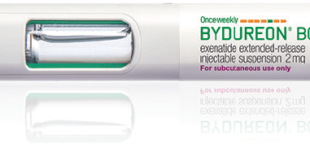
Once-weekly injectable suspension can provide as much benefit as traditional twice-daily dosing.
Read More »
Benefits of exercise shown to depend on duration, not exercise type
Read More »
Diabetes has long been divided into type 1 and type 2. But a third type has entered the mix — and we aren't diagnosing it correctly.
Read More »
Sensor-augmented therapy can diminish hypoglycemia with the low-glucose suspend feature.
Read More »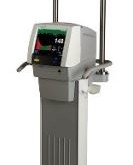
OptiScanner is the first-of-its-kind bedside blood monitoring platform that provides plasma-based, automated monitoring of ICU patients’ glucose levels. The OptiScanner 5000 directly measures plasma glucose levels using an integrated blood centrifuge and spectrometer to help avoid dangerous glycemic variations and assist clinicians in achieving the right level of glucose control.
Read More »
A new formulation of Insulin Aspart can offer better glycemic control and may also be given after meals.
Read More »