 Diabetes In Control. A free weekly diabetes newsletter for Medical Professionals. News and information for Medical Professionals.
Risk for stroke significantly increased, but exceeded by heart failure
Read More »High Risk and Mortality in Patients With Atrial Fibrillation and Diabetes


Risk for stroke significantly increased, but exceeded by heart failure
Read More »
Subanalysis of CANVAS program shows slower progression of kidney disease, reduction in weight, reduction in A1c and even drop in blood pressure.
Read More »
Mr. Hernandez' lab results are A1C 7.5%, FPG 137 mg/dL, LDL 190 mg/dL, HDL 38 mg/DL and triglycerides 232 mg/dL. He is started on metformin, lifestyle modifications, an ACE inhibitor, and a statin. He was asked to return in 3 months' time to evaluate how everything is going. However, he fails to keep his appointment. He returns 1 year after his initial diagnosis for a recurrent yeast infection. His A1C is currently 7.7%. Upon questioning, he admits that while he has been good about taking his “heart meds,” he has not taken the “sugar pill” because he didn’t like it. What side effect did the patient most likely find intolerable? A. Diarrhea and abdominal cramping B. Paresthesias C. Increased appetite D. Insomnia Follow the link for the answer.
Read More »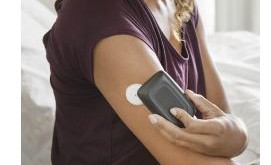
You may wonder which CGM monitor is best for your patients. I know I do. Learn from Dr. Stephen W. Ponder, MD, FAAP, CDE-AADE Educator of the Year, Board Certified Pediatric Endocrinologist, Pediatric Residency Program Director at Baylor Scott & White McLane Children's Hospital and 50 year Joslin Medalist. He also helps people with diabetes through the "sugar surfing" method to empower individuals who have diabetes to live fuller and more satisfying lives.
Read More »
In this week's Homerun Slides, defining albuminuria, a marker for kidney dysfunction.
Read More »
Concept of ectopic fat as a cause of tissue insulin resistance: It appears that individuals prone to T2DM (based in part on their nonmodifiable characteristics) show a greater propensity to accumulate visceral or ectopic fat for a given weight. Interestingly this characteristic, in turn, may be a downstream consequence of “impaired” subcutaneous fat storage capacity, the mechanisms of which deserve further research. As an extreme example of this concept, lipodystrophic individuals have an impaired ability to store subcutaneous fat and, as a consequence, they accumulate fat in visceral and ectopic tissues and so have marked insulin resistance.
Read More »
Individuals with undiagnosed diabetes, prediabetes found to have high incidence of unrecognized chronic kidney disease.
Read More »
Study finds higher hospital admissions, complications, and mortality rates among patients with increased A1c.
Read More »
Studies find greater risk reduction following treatment of patients with dyslipidemia.
Read More »
Most important mediator due to changes in markers of plasma volume.
Read More »