 Diabetes In Control. A free weekly diabetes newsletter for Medical Professionals. News and information for Medical Professionals.
Patients projected to have increase in body mass index also likely to develop increased plasma glucose levels and have diminished insulin response.
Read More »Is Insulin Secretion and Sensitivity Contingent upon BMI Fluctuations?


Patients projected to have increase in body mass index also likely to develop increased plasma glucose levels and have diminished insulin response.
Read More »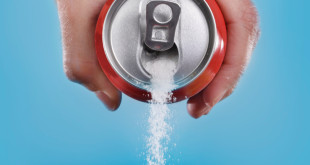
Researchers use data from large ongoing cohort study to look for connection. In a recent study, researchers concluded that sugar and artificially sweetened beverage intake have been linked to cardiometabolic risk factors, which increase the risk of cerebrovascular disease and dementia. The study examined whether sugar or artificially sweetened beverage …
Read More »
Which CGM system do you prefer? 1) Dexcom C5 2) Abbott Freestyle Libre 3) Medtronic Elite 4) Either 5) None Follow the link to see how you and your colleagues compare.
Read More »
A 51-year-old patient returns to your office for a follow-up visit. She is currently taking metformin and glipizide after being diagnosed with type 2 diabetes 8 years ago. She shows you her self-care logs that indicate she has been eating a healthy diet and walking daily. She has been maintaining her weight (BMI 26kg/m2). Despite her excellent efforts, her A1C is 7.8%, above her target of A1C<7.0%. When you start to discuss adding a basal insulin dose to her regimen, she bursts into tears. All of the following are common barriers to insulin therapy initiations EXCEPT: A. Fear that hyperglycemia will make her ill. B. Fear others will treat her differently because she needs regular injections. C. Fear of needles or that insulin injections are painful. D. Fear that insulin causes death or complications. Follow the link to see the answer.
Read More »
In this Exclusive Interview, Mark Peyrot talks with Diabetes in Control Publisher Steve Freed during the ADA meeting in San Diego, CA about the importance of addressing the psychosocial needs of diabetes patients.
Read More »
Young man, 21 years of age. type 1 diabetes since 9 years of age. Has not been to see hcp for a year. States he doesn’t like people interrogating him, but came in because he needs his insulin. States he doesn’t check his glucose because he can tell what it is. Tired of having type 1 diabetes and tired of checking numbers. A1C in office--10.2%.
Read More »
Introduction: An association between hyperglycemia, diabetes, and cancer has been recognized for many years. Epidemiologists first noted the association between diabetes and cancer in the early part of the twentieth century, while the association between hyperglycemia and cancer was reported in 1885. At that time, in Europe and North America life expectancy was improving, rates of over-nutrition and under-exercise were increasing, there was a rise in the percentage of people that were overweight, and the incidence of diabetes began to climb.
Read More »
The answer comes from a mediation analysis of the EMPA-REG OUTCOME Trial.
Read More »
Higher score measuring severity of pain indicated elevated treatment failure risk.
Read More »
Young patients with low BMIs, C-peptide levels, and significant symptoms at onset of diabetes at higher risk of undergoing rapid C-peptide decline.
Read More »