 Diabetes In Control. A free weekly diabetes newsletter for Medical Professionals. News and information for Medical Professionals.
What do you use to diagnose prediabetes a majority of the time? 1) HbA1c 2) Fasting BG 3) IGTT 4) Other Follow the link to see how you compare to your colleagues.
Read More »Diagnosing Prediabetes


What do you use to diagnose prediabetes a majority of the time? 1) HbA1c 2) Fasting BG 3) IGTT 4) Other Follow the link to see how you compare to your colleagues.
Read More »
A 43-year-old patient with a 2-year history of type 2 diabetes presents to your office for a follow-up visit. She is a highly motivated patient and doesn’t have any significant co-morbidities, so together, you have set a target A1C= 6.5%. Her current medications are metformin and sulfonylurea. Despite her good efforts, her current A1C is 7.3%. You would like to add a third agent to her regimen, however, she is concerned about any additional weight gain as she has gained a few pounds since starting the sulfonylurea. Which drug class would you add to minimize any additional weight gain? A. Basal insulin B. GLP-1 agonist C. Thiazolidine D. DPP-4 Inhibitor
Read More »
Female, 25 years of age related a story to me she recalls from years back. Patient was diagnosed with type 1 diabetes at 5 years of age. Mother has had type 1 diabetes since childhood, so patient had learned a lot about living with type 1 diabetes since a young child. Patient is and has been a very independent person. Both her mother and father trusted her and for the most part worked with her pediatrician to manage her diabetes.
Read More »
In this week's Homerun Slides, a focus on empagliflozin, another therapeutic approach in the treatment of CKD in this albuminuria presentation by Dr. Claude Lardinois.
Read More »
What is “metabolomics?” Metabolomics is an emerging field of analytical chemistry whose goal is to quantify all metabolites in a biologic sample, typically through application of multiple analytical platforms that enable determinations across a variety of metabolite classes. As with other omics-based technologies, this comprehensive coverage of metabolism has the benefit of allowing the observation of metabolic stressor effects not only at a single target, but also the ripple effect of the stressor, including compensatory responses, across the metabolic landscape.
Read More »
Patients with type 2 diabetes not responding to basal insulin therapy alone may see glycemic improvement with a GLP-1 receptor agonist.
Read More »
A new formulation of Insulin Aspart can offer better glycemic control and may also be given after meals.
Read More »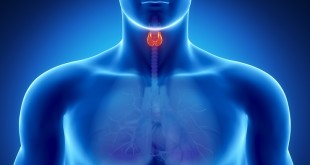
New study finds incidence of thyroid disorders in people with diabetes no higher than than those without.
Read More »
Canagliflozin may reduce the risk of major cardiovascular complication, but amputation risk is increased.
Read More »
Among long-term users, discontinuation of low-dose aspirin in absence of surgery or bleeding had a greater than 30% increased risk of cardiovascular events.
Read More »