 Diabetes In Control. A free weekly diabetes newsletter for Medical Professionals. News and information for Medical Professionals.
Treatment method reduced the amount of liver fat more than standard treatment alone.
Read More »One More Benefit for SGLT-2 Inhibitors


Treatment method reduced the amount of liver fat more than standard treatment alone.
Read More »
Screening, treatment delay may hasten or increase cardiovascular disease risk.
Read More »
Prolonged use of medication increases risk of bowel condition, but exact cause yet to be determined.
Read More »
How much higher is the rate of cardiovascular (CV) death among unmarried vs married patients who are at high CV risk, according to a recent study? A. 19% B. 28% C. 34% D. 45% E. 56% Follow the link for the answer.
Read More »
For a patient with type 2 who has an A1c of 8% and is on metformin, has tried diet change and exercise, and is 25 pounds overweight, which of the following would you prefer: GLP-1, SGLT-2, or something else? Follow the link to share your opinion.
Read More »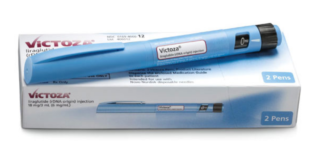
Man, 52 years of age, with obesity and type 2 diabetes, was switched from daily liraglutide (Victoza) 1.8mg to weekly semaglutide (Ozempic) 0.25mg. I was very clear with patient about the switch being from a daily injection to a weekly and that we would be increasing the semaglutide weekly.
Read More »
In this week's Homerun Slides, a closer look at the Systolic Blood Pressure Intervention Trial (SPRINT).
Read More »
The foregoing observations have detailed the best established risk factors associated with insulin resistance as well some novel emerging risk factors as additionally detailed in Table 23.2, including nutritional measures such as Vitamin D. These are not comprehensive but rather a selection of emerging pathways of interest. Clearly, future research should increasingly harness genetics as well as observational data to better determine causal risk pathways. Similarly, further data are needed to better determine the extent to which insulin resistance is, or is not, linked to cardiovascular risk.
Read More »
Surprise findings for treatment class and appropriate patient selection
Read More »
In results of five trials, effects of antihyperglycemic drug found to occur during first few months or years.
Read More »