 Diabetes In Control. A free weekly diabetes newsletter for Medical Professionals. News and information for Medical Professionals.
Learn why MiniMed Flex insulin pumps were recalled, the potential insulin delivery risks, and what affected users should do to stay safe.
Read More »This Insulin Pump Recall Could Affect More Than Convenience

Learn why MiniMed Flex insulin pumps were recalled, the potential insulin delivery risks, and what affected users should do to stay safe.
Read More »
Explore how hypoglycemia and DKA may be linked to attention difficulties in children with type 1 diabetes and what new research reveals.
Read More »
Can fenofibrate slow diabetic retinopathy in type 1 diabetes? Explore new LENS trial research, potential benefits, safety, and clinical implications.
Read More »
The type 1 diabetes consensus 2026 expands guidance on AID, cardiovascular risk, obesity, complications, psychosocial care, and new therapies.
Read More »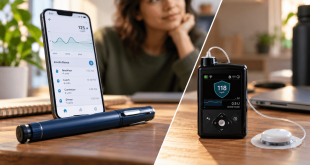
A head-to-head trial compared a smart insulin pen vs AID in adults with type 1 diabetes. See who benefited most and why patient preference still matters.
Read More »
A small CGM study explores whether sexual activity increases hypoglycemia risk in adults with type 1 diabetes and what the findings mean for care.
Read More »
Time-restricted eating has become a popular approach to weight management, but what happens when insulin-dependent diabetes enters the picture? Until recently, evidence on time-restricted eating in people with type 1 diabetes was notably limited. A new randomized controlled trial published in Diabetes Care offers some of the first direct evidence. …
Read More »
Could continuous glucose monitoring do more than improve glucose levels and help prevent hypoglycemia? New research raises that possibility. A large observational study examining CGM use and mortality in people with type 1 diabetes found that starting continuous glucose monitoring was associated with a lower risk of death among older …
Read More »When glucose numbers improve, patients are expected to feel better. Yet some people with type 1 diabetes report the opposite. A glucose level that looks reassuring on a continuous glucose monitor may leave them feeling tired, uncomfortable, or simply “off.” New research suggests that glycemic habituation may help explain this …
Read More »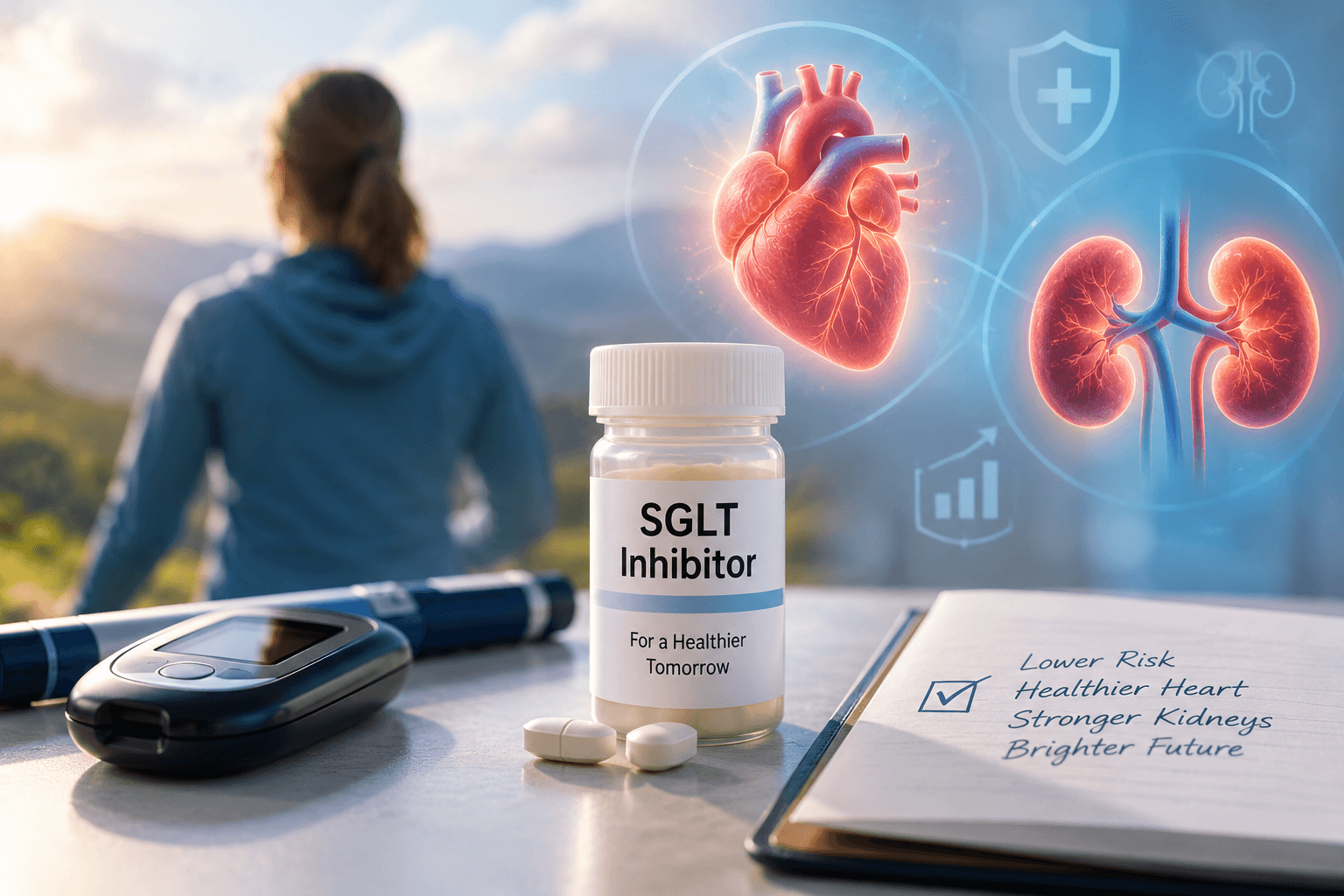
SGLT inhibitors have changed the treatment landscape for cardiovascular and kidney disease, particularly in people with type 2 diabetes, heart failure, and chronic kidney disease. That success raises an obvious question: why are SGLT inhibitors in type 1 diabetes still largely outside routine clinical practice? The answer is not a …
Read More »