Jun 8, 2026
Articles, Conditions, Diabetes, Neuropathy & Pain, Type 1 Diabetes, Type 1 Diabetes, Type 2 Diabetes, Type 2 Diabetes, Women's Health
5,306 views
Urinary incontinence is one of the most common yet least discussed complications of diabetes. In fact, diabetes urinary incontinence affects people with diabetes at significantly higher rates than the general population. While healthcare professionals routinely monitor patients for retinopathy, nephropathy, and cardiovascular disease, bladder dysfunction often remains overlooked. However, research …
Read More »
Jun 3, 2026
Articles, Blood Glucose Control, Blood Glucose Control, Diabetes, Mental Health, Type 1 Diabetes, Type 1 Diabetes
6,867 views
Patients with type 1 diabetes already face the daily burden of balancing insulin, food intake, exercise, and glucose monitoring. However, for some individuals, insulin becomes more than a treatment tool. It becomes a method for weight control. This dangerous behavior, commonly referred to as diabulimia, involves the intentional restriction or …
Read More »
May 29, 2026
Articles, Blood Glucose Control, Blood Glucose Control, Devices, Diabetes, Insulin Therapy Center, Type 1 Diabetes, Type 1 Diabetes
1,593 views
For years, diabetes care has relied on one key rule: insulin should be given before meals whenever possible. Yet many people living with diabetes still struggle with timing. Busy schedules, unpredictable eating habits, and delayed dosing often lead to postprandial glucose spikes. Now, with the rise of ultra-rapid insulin AID …
Read More »
May 26, 2026
Articles, Blood Glucose Control, Blood Glucose Control, Diabetes, Obesity, Type 1 Diabetes, Type 1 Diabetes
2,036 views
More adults living with type 1 diabetes are now developing obesity, insulin resistance, hypertension, and metabolic complications once linked mainly to type 2 diabetes. This growing overlap, often called double diabetes, is becoming a major concern for clinicians and patients alike. While insulin therapy remains essential for type 1 diabetes …
Read More »
May 21, 2026
Articles, Blood Glucose Control, Blood Glucose Control, Devices, Diabetes, Mental Health, Type 1 Diabetes, Type 1 Diabetes, Type 2 Diabetes, Type 2 Diabetes
4,093 views
A glucose alarm goes off during dinner. Another alert appears at 2 a.m. A smartphone app flashes warnings about rising blood sugar before the day even starts. Diabetes technology promises better control, yet for some patients, the nonstop stream of notifications and health data can feel mentally exhausting. Clinicians are …
Read More »
May 18, 2026
Articles, Blood Glucose Control, Blood Glucose Control, Devices, Diabetes, Type 1 Diabetes, Type 1 Diabetes, Type 2 Diabetes, Type 2 Diabetes
1,607 views
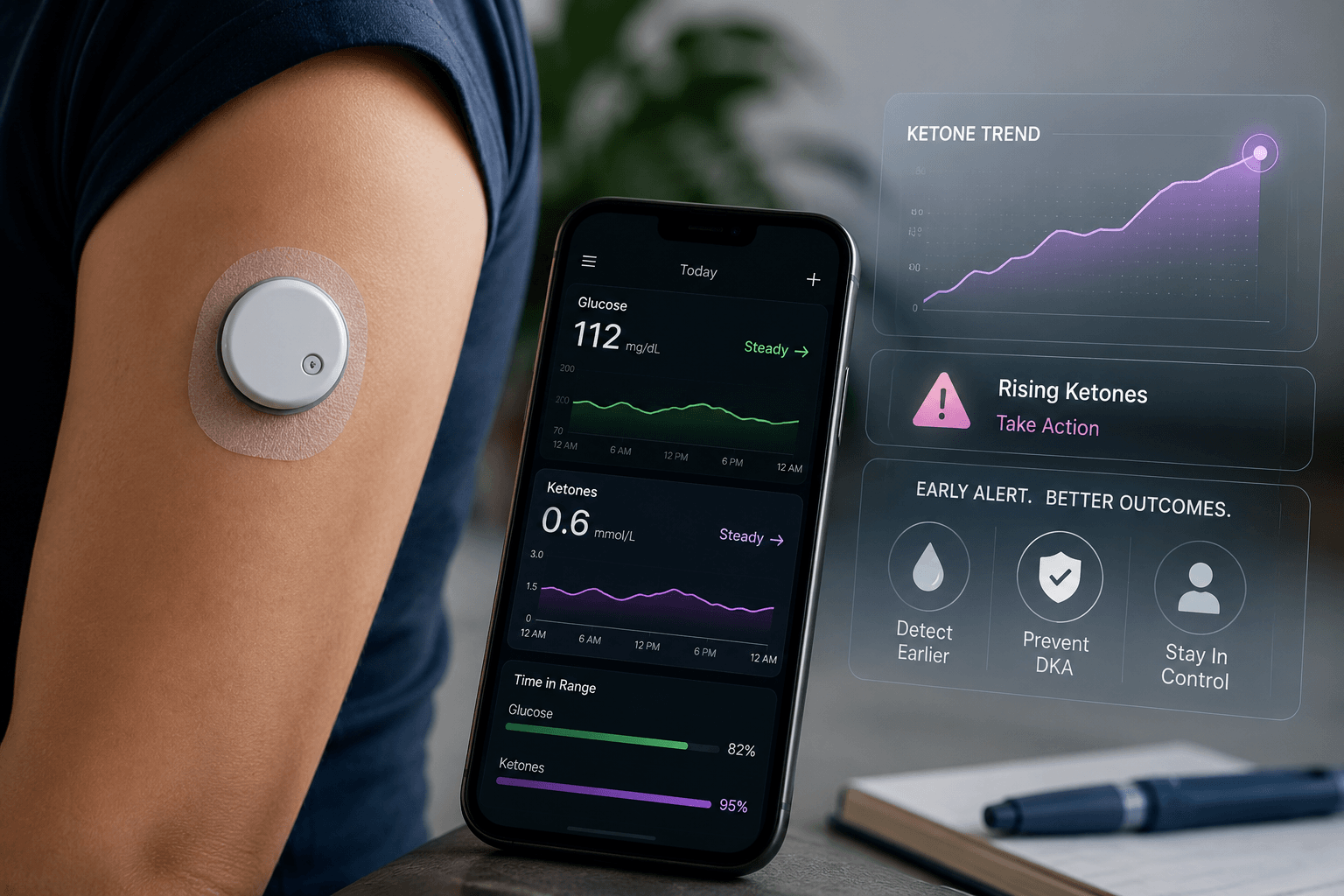
New advances in diabetes technology are moving beyond glucose alone. While continuous glucose monitoring transformed diabetes management over the last decade, wearable ketone monitoring systems are now emerging as the next major innovation. Researchers, device manufacturers, and international diabetes organizations are increasingly focused on whether real-time ketone data can help …
Read More »
Apr 7, 2026
Articles, Blood Glucose Control, Devices, Diabetes
1,795 views
Continuous ketone monitoring is gaining attention as a promising tool for detecting metabolic risk earlier than traditional methods. While glucose monitoring has long been the standard, ketones offer another layer of insight into how the body processes energy. Could this emerging technology reshape how clinicians assess risk and guide treatment …
Read More »
Mar 6, 2026
Articles, Blood Glucose Control, Blood Glucose Control, Devices, Diabetes
2,764 views
Continuous glucose monitoring has transformed diabetes care, but are we fully using the data it provides? In 2026, time in range is moving beyond a simple CGM metric and becoming a formal therapeutic target in diabetes care. While A1C remains important, time in range (TIR) offers a more dynamic and …
Read More »
Jan 29, 2026
Diabetes, Featured, Obesity, Obesity, Therapies, Type 1 Diabetes, Type 1 Diabetes
5,601 views
Imagine managing type 1 diabetes and still gaining weight despite careful insulin use, exercise, and carb counting. That’s the frustrating reality for many people living with T1D and obesity. While insulin is life-saving, it can also promote weight gain, making the balance between glucose control and healthy weight even harder. …
Read More »
Nov 5, 2023
Blog, Diet & Nutrition, Type 2 Diabetes
8,082 views
Diabetes is a chronic condition that affects millions of people around the world. While traditional medicine has been the mainstay of diabetes care for decades, there is a growing interest in alternative medicine as a viable option. Integrative approaches to diabetes care involve combining the best of both traditional and …
Read More »
 Diabetes In Control. A free weekly diabetes newsletter for Medical Professionals. News and information for Medical Professionals.