May 7, 2026
Articles, Blood Glucose Control, Blood Glucose Control, Diabetes
3,051 views
Managing post-meal glucose levels plays a critical role in diabetes care, yet it is often overlooked in favor of A1C and time in range. However, what happens after meals can significantly affect long-term outcomes. Think of it like traffic flow: even if the highway looks clear overall, sudden congestion at …
Read More »
Apr 28, 2026
Articles, Blood Glucose Control, Blood Glucose Control, Devices, Diabetes
2,162 views
Diabetic ketoacidosis remains one of the most serious complications of diabetes, yet managing it often relies on intermittent data points. What if clinicians could see ketone levels change in real time instead of waiting hours between lab tests? Continuous ketone monitoring for DKA is now emerging as a promising concept …
Read More »
Apr 1, 2026
Articles, Blood Glucose Control, Blood Glucose Control, Diabetes, Type 2 Diabetes, Type 2 Diabetes
2,740 views
Why does clinical inertia diabetes continue to slow progress, even when better treatments are widely available? It is a bit like having a high-performance car but hesitating to press the accelerator. Despite major advances in medications and care models, delays in intensifying therapy remain common. As a result, many patients …
Read More »
Mar 6, 2026
Articles, Blood Glucose Control, Blood Glucose Control, Diabetes, Safety, Sulfonylurea, Type 2 Diabetes, Type 2 Diabetes
4,454 views
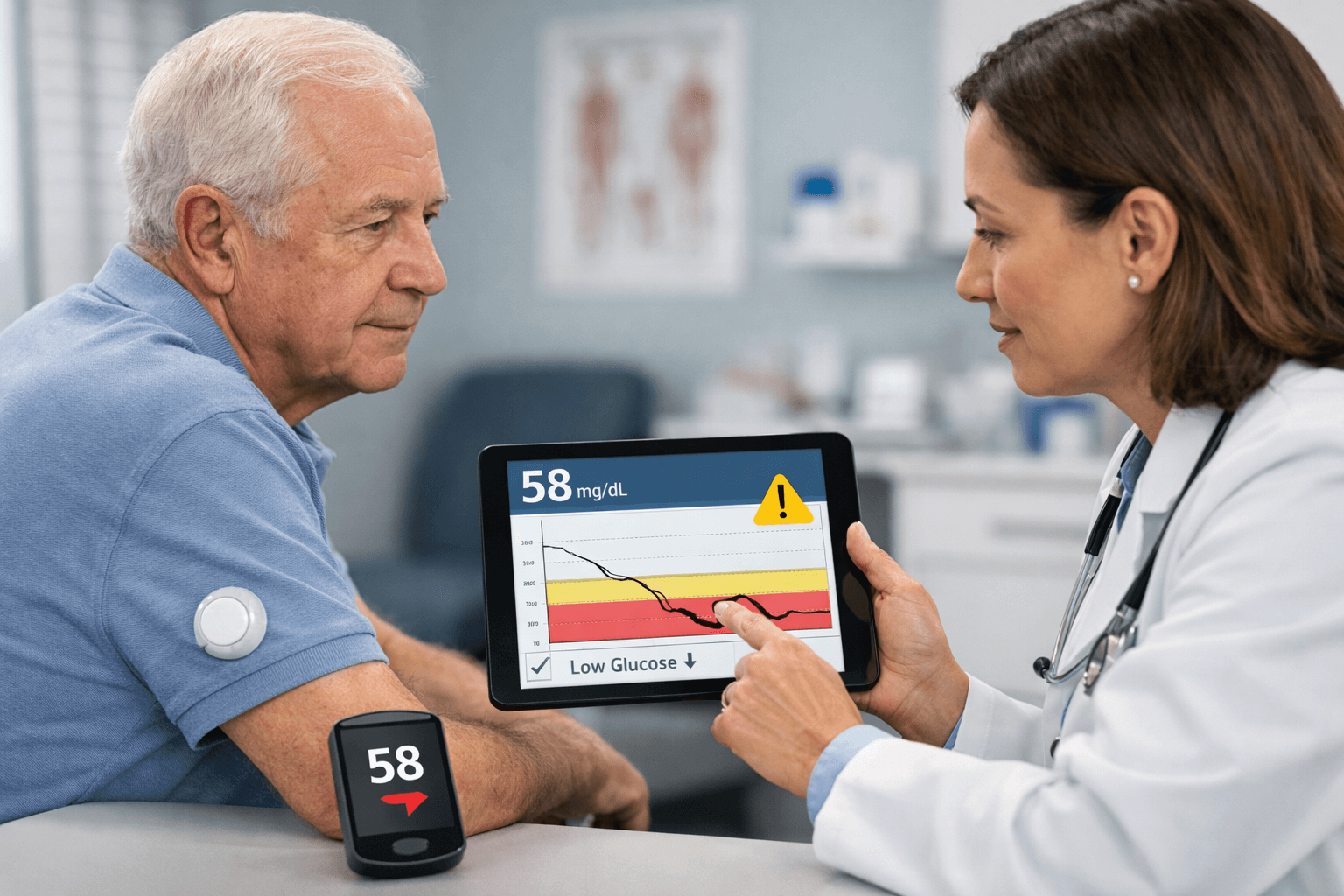
Managing the risk of hypoglycemia remains a central challenge in diabetes care, even as newer therapies lower the rate of severe events. Although GLP-1 receptor agonists and SGLT2 inhibitors have reshaped treatment strategies, insulin and sulfonylureas are still widely used, especially among older adults and patients with chronic kidney disease …
Read More »
Mar 6, 2026
Articles, Blood Glucose Control, Blood Glucose Control, Devices, Diabetes
2,716 views
Continuous glucose monitoring has transformed diabetes care, but are we fully using the data it provides? In 2026, time in range is moving beyond a simple CGM metric and becoming a formal therapeutic target in diabetes care. While A1C remains important, time in range (TIR) offers a more dynamic and …
Read More »
Feb 26, 2026
Articles, Blood Glucose Control, Blood Glucose Control, Diabetes, Insulin Therapy Center, Type 2 Diabetes, Type 2 Diabetes
2,067 views
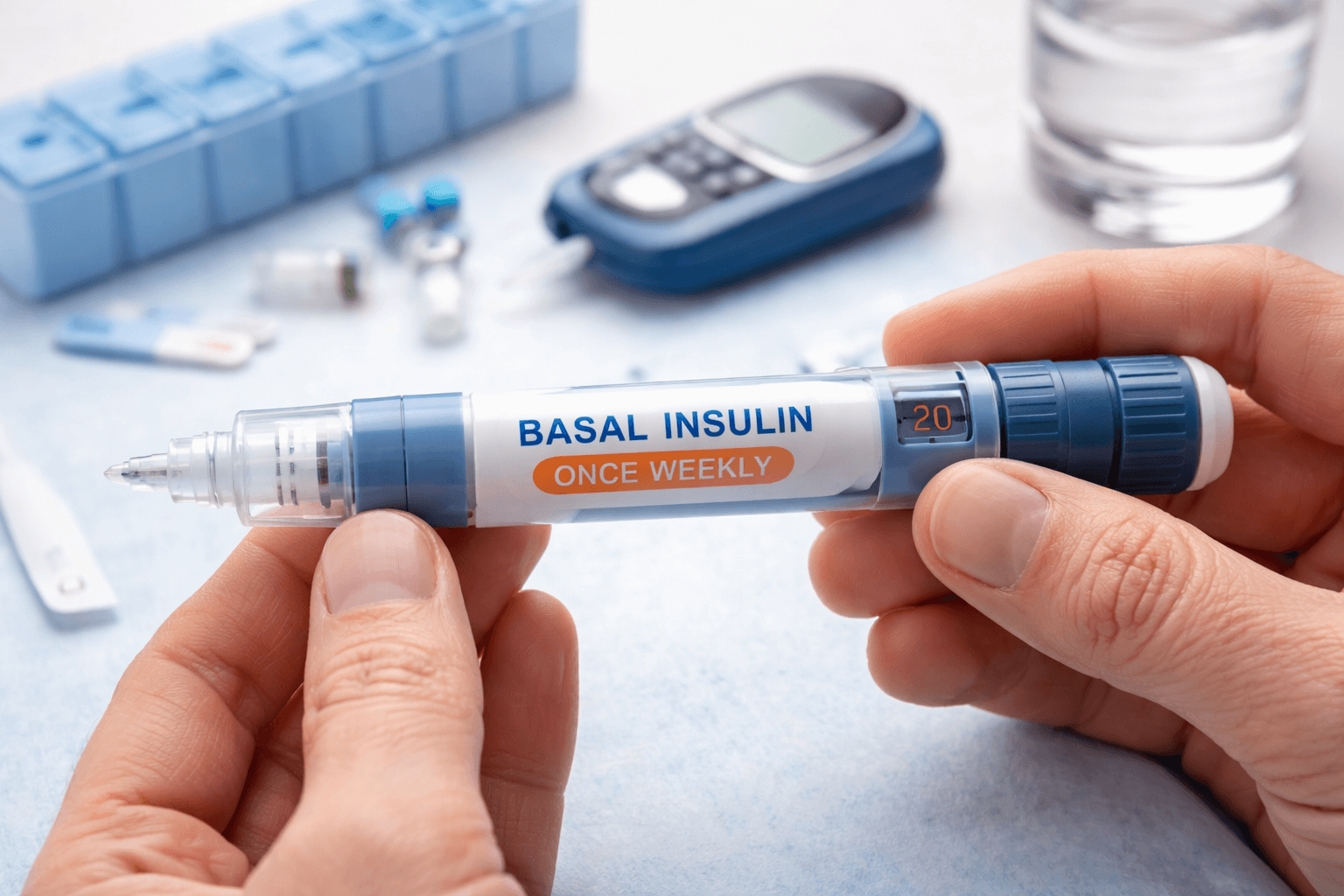
The arrival of a once-weekly basal insulin option marks one of the most meaningful advances in insulin therapy in decades. For years, daily basal injections have been the standard of care for people with type 1 and type 2 diabetes. However, many patients struggle with adherence, missed doses, and therapeutic …
Read More »
Feb 20, 2026
Articles, Blood Glucose Control, Blood Glucose Control, Devices, Diabetes, Type 1 Diabetes, Type 1 Diabetes, Type 2 Diabetes, Type 2 Diabetes
1,609 views
Continuous glucose monitoring was once reserved for endocrinology clinics. Today, integrating CGM into primary care is essential as guidelines recommend earlier and broader use in both type 1 and type 2 diabetes. Yet many clinicians still feel unsure about how to interpret reports or fit CGM into a busy visit. …
Read More »
Jan 29, 2026
AI-news, Articles, Blood Glucose Control, Blood Glucose Control, Devices, Diabetes, Featured, Type 1 Diabetes, Type 1 Diabetes, Type 2 Diabetes, Type 2 Diabetes
2,314 views
Artificial intelligence (AI) is transforming many aspects of diabetes care, and smart insulin management powered by AI is quickly becoming one of its most promising innovations. Tools that read continuous glucose monitor (CGM) data and suggest insulin changes are rapidly entering clinical use. But while these tools are powerful, they …
Read More »
Dec 4, 2025
Articles, Blood Glucose Control, Devices, Diabetes, Physician oriented, Type 2 Diabetes
1,420 views
Could continuous glucose monitoring (CGM) soon become the norm in primary care? Once considered a specialty tool reserved for endocrinologists, CGM is now recommended far earlier in diabetes treatment — even for patients with type 2 diabetes on basal insulin alone. Despite these guideline shifts, primary care adoption has lagged. …
Read More »
Dec 4, 2025
Articles, Blood Glucose Control, Diabetes, Insulin Therapy Center, Therapies, Type 2 Diabetes
1,388 views
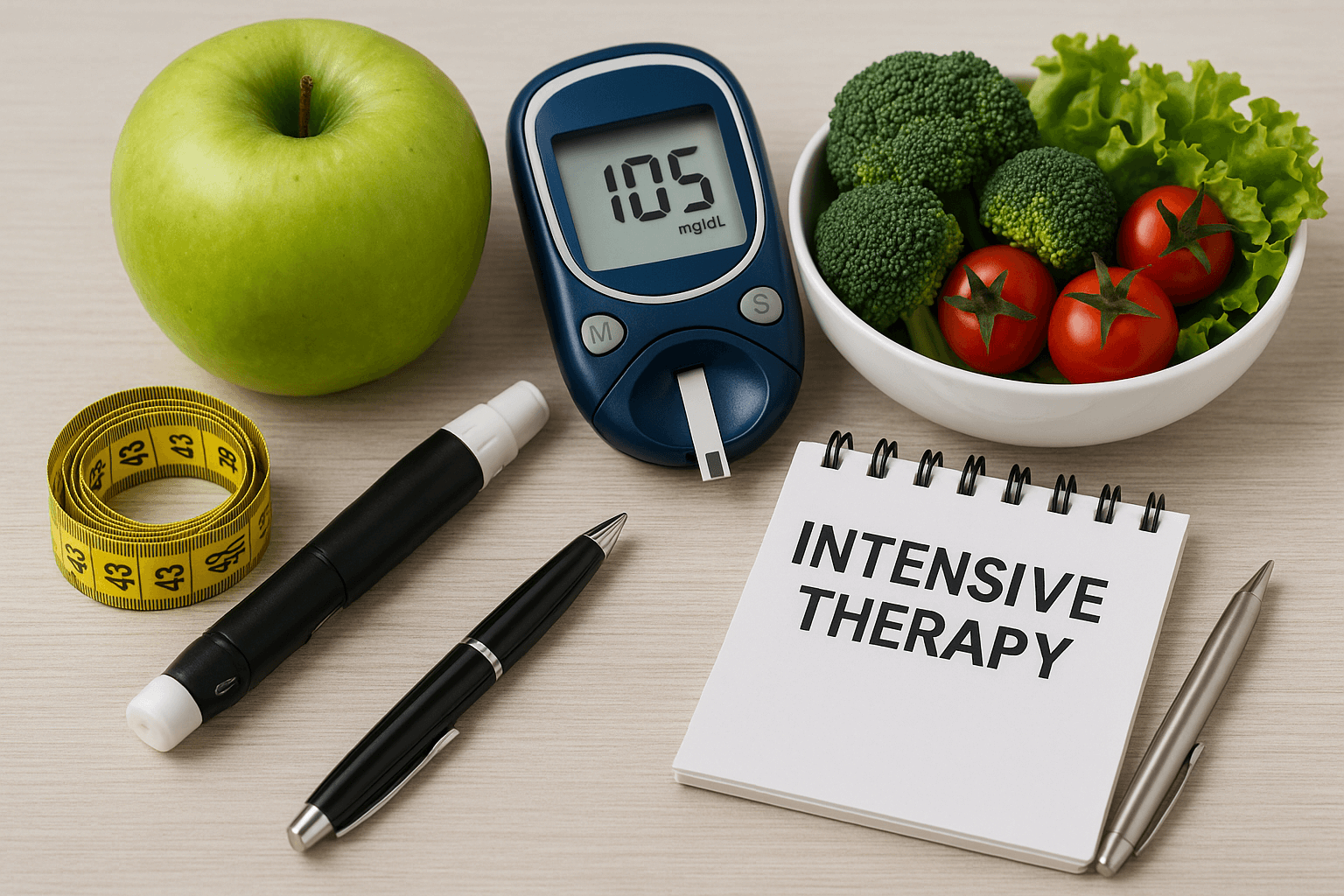
Could the conventional “lifelong treatment” model for type 2 diabetes be rethought? Recent trials suggest that short‑term intensive therapy may offer more than transient glycemic control—it might trigger lasting remission in newly diagnosed patients. Such interventions, combining aggressive pharmacologic therapy or insulin with lifestyle change, show potential to preserve β‑cell …
Read More »
 Diabetes In Control. A free weekly diabetes newsletter for Medical Professionals. News and information for Medical Professionals.