Jul 9, 2026
Articles, Blood Glucose Control, Blood Glucose Control, Diabetes, Type 1 Diabetes, Type 1 Diabetes, Type 2 Diabetes, Type 2 Diabetes
1,842 views
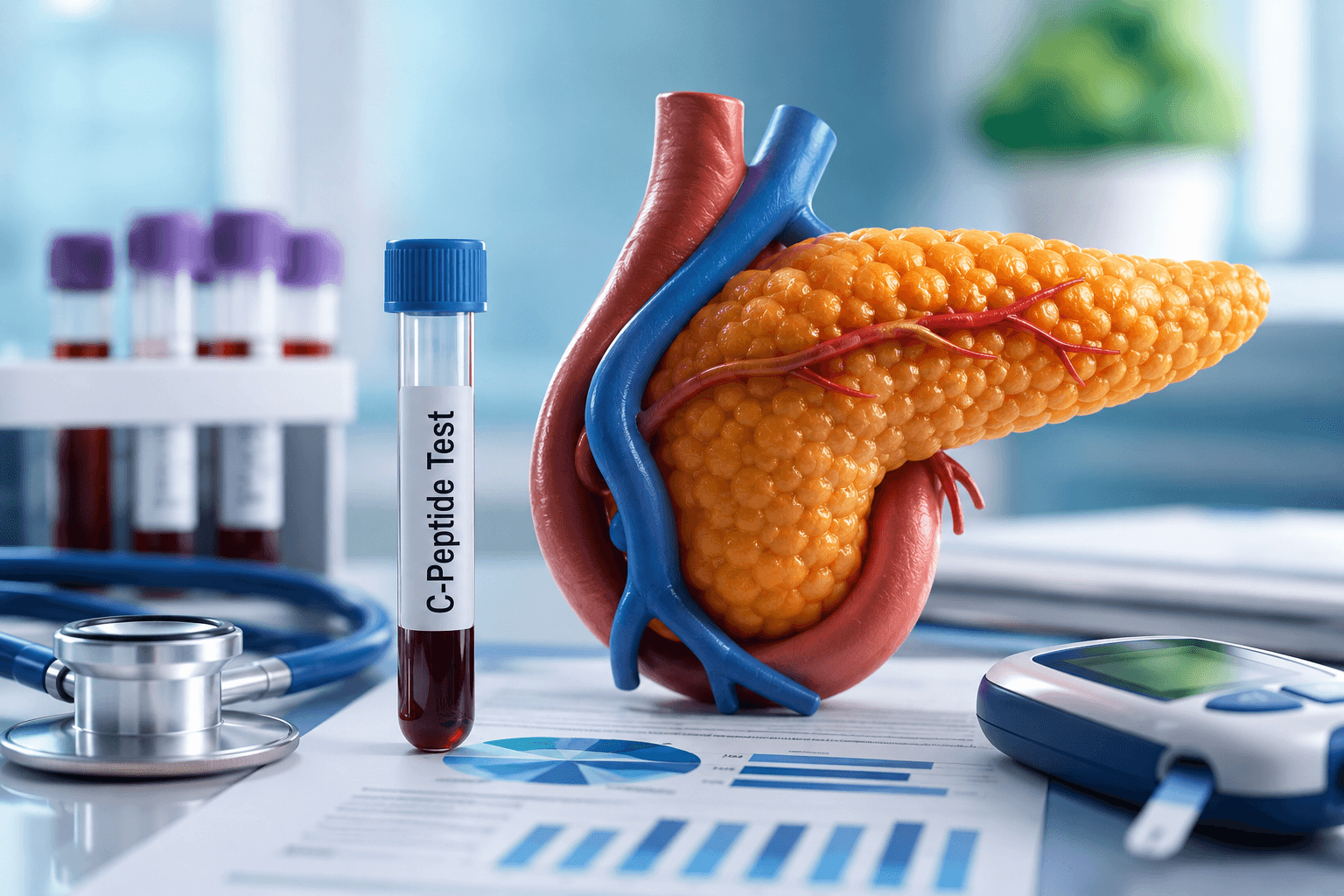
For many years, C-peptide testing was viewed as a simple tool to distinguish type 1 diabetes from type 2 diabetes. However, the story has changed. As researchers gain a better understanding of pancreatic beta-cell function, C-peptide testing in diabetes has become much more valuable than a diagnostic aid alone. Today, …
Read More »
Jul 8, 2026
Articles, Diabetes, GLP- 1 Agonist Therapy Center, Obesity, Therapies, Type 2 Diabetes, Type 2 Diabetes
2,427 views
For years, glucagon-like peptide-1 (GLP-1) receptor agonists have dominated conversations about diabetes and obesity treatment. However, another hormone is quietly returning to the spotlight. Amylin diabetes therapy is making a comeback as researchers develop a new generation of drugs designed to improve blood glucose control and support weight management. Amylin …
Read More »
Jul 2, 2026
Articles, Blood Glucose Control, Blood Glucose Control, Diabetes, Insulin Therapy Center, Therapies, Type 1 Diabetes, Type 1 Diabetes, Type 2 Diabetes, Type 2 Diabetes
2,513 views
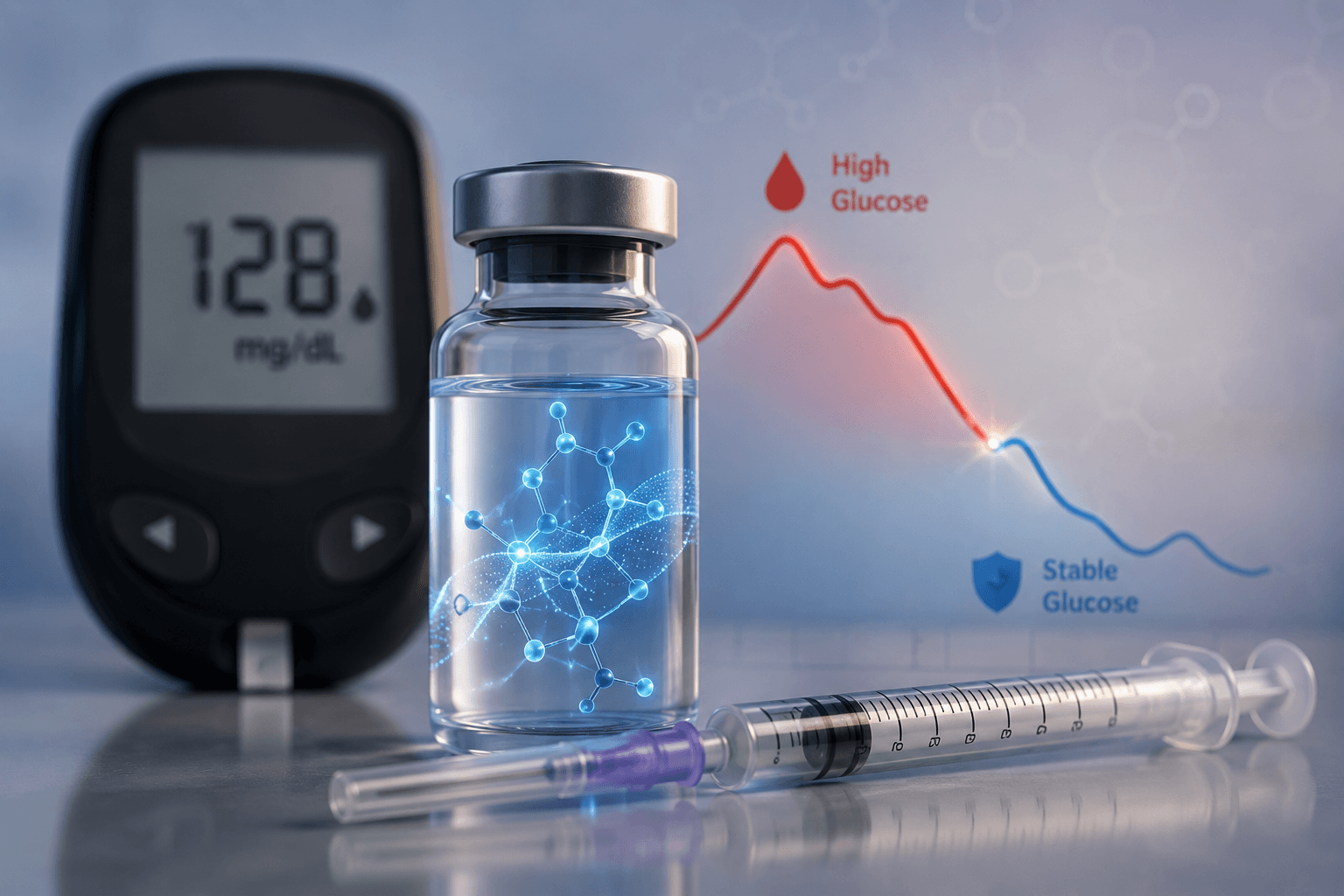
For more than a century, insulin has saved millions of lives. Yet despite remarkable advances in diabetes technology, one major challenge remains: preventing hypoglycemia while maintaining excellent glucose control. That is why researchers are developing glucose-responsive insulin, often called “smart” insulin. Instead of delivering a fixed amount of insulin regardless …
Read More »
Jun 22, 2026
Articles, Therapies, Type 1 Diabetes, Type 1 Diabetes
4,484 views
For decades, treatment after a type 1 diabetes diagnosis focused almost entirely on insulin replacement and blood glucose management. While advances in technology have improved care, clinicians have had few ways to address the autoimmune process driving beta-cell loss. That is beginning to change. With the FDA’s expansion of teplizumab-mzwv …
Read More »
Jun 19, 2026
Articles, Blood Glucose Control, Blood Glucose Control, Devices, Diabetes, Type 1 Diabetes, Type 1 Diabetes, Type 2 Diabetes, Type 2 Diabetes
1,043 views
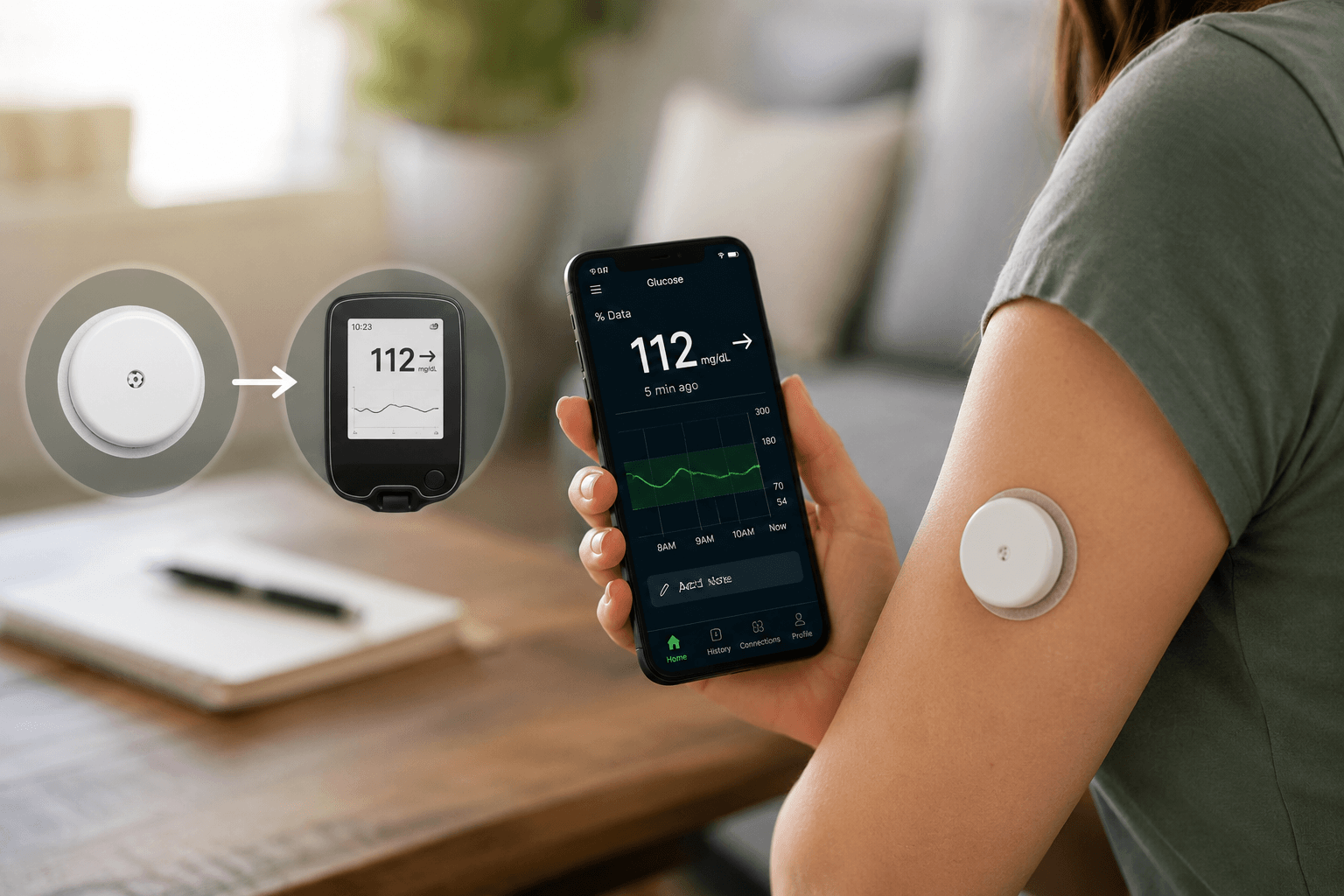
As diabetes technology continues to evolve, clinicians are increasingly faced with an important question: should patients still be using flash continuous glucose monitoring (CGM), or is it time to switch to real-time CGM? While flash CGM systems have significantly improved glucose monitoring and patient engagement over traditional fingerstick testing, real-time …
Read More »
Jun 16, 2026
Articles, Blood Glucose Control, Blood Glucose Control, Diabetes, Type 1 Diabetes, Type 1 Diabetes, Type 2 Diabetes, Type 2 Diabetes
2,117 views
For years, hospital admission often meant disconnecting patients from their personal diabetes devices. Continuous glucose monitors (CGMs) and insulin pumps were frequently removed, even when patients had used them successfully at home. However, the 2026 American Diabetes Association (ADA) Standards of Care introduce a significant shift in how hospitals approach …
Read More »
Jun 12, 2026
Articles, Blood Glucose Control, Blood Glucose Control, Diabetes, Insulin Therapy Center, Type 1 Diabetes, Type 1 Diabetes, Type 2 Diabetes, Type 2 Diabetes
3,170 views
For many people living with diabetes, insulin is more than a medication—it is a lifeline. Yet despite its critical role, some patients stop taking insulin without informing their healthcare provider. The reasons vary widely and may include medication costs, treatment fatigue, fear of side effects, weight gain concerns, or misunderstandings …
Read More »
Jun 11, 2026
Articles, Diabetes, Insulin Therapy Center, Type 1 Diabetes, Type 1 Diabetes, Type 2 Diabetes, Type 2 Diabetes
2,505 views
Many healthcare providers focus heavily on daytime glucose control, yet some of the most dangerous hypoglycemic episodes occur while patients are asleep. Despite major advances in insulin therapy and glucose monitoring, nocturnal hypoglycemia remains a significant clinical concern for people living with diabetes. Because symptoms often go unnoticed during sleep, …
Read More »
Jun 4, 2026
Articles, Blood Glucose Control, Blood Glucose Control, Diabetes, Insulin Therapy Center, Type 2 Diabetes
15,749 views
Patients treated with corticosteroids for asthma, COPD exacerbations, rheumatologic disease, inflammatory bowel disease, or cancer-related complications often develop significant elevations in blood glucose. In many cases, these patients have no prior history of diabetes. Yet within days of therapy initiation, blood glucose levels can rise dramatically, creating a challenging clinical …
Read More »
Jun 2, 2026
Articles, Blood Glucose Control, Blood Glucose Control, Diabetes, MODY/LA DA, Type 1 Diabetes, Type 1 Diabetes, Type 2 Diabetes, Type 2 Diabetes
1,534 views
Up to 10% of adults diagnosed with type 2 diabetes may actually have Latent Autoimmune Diabetes in Adults (LADA), yet many cases remain undetected for years. Because symptoms often develop slowly, LADA is frequently mistaken for traditional type 2 diabetes. However, the wrong diagnosis can delay insulin therapy, worsen glucose …
Read More »
 Diabetes In Control. A free weekly diabetes newsletter for Medical Professionals. News and information for Medical Professionals.