3 days ago
Articles, Blood Glucose Control, Blood Glucose Control, Cardiology, Nephrology, Safety, SGLT-2 Therapy Center, Type 1 Diabetes, Type 1 Diabetes
1,375 views
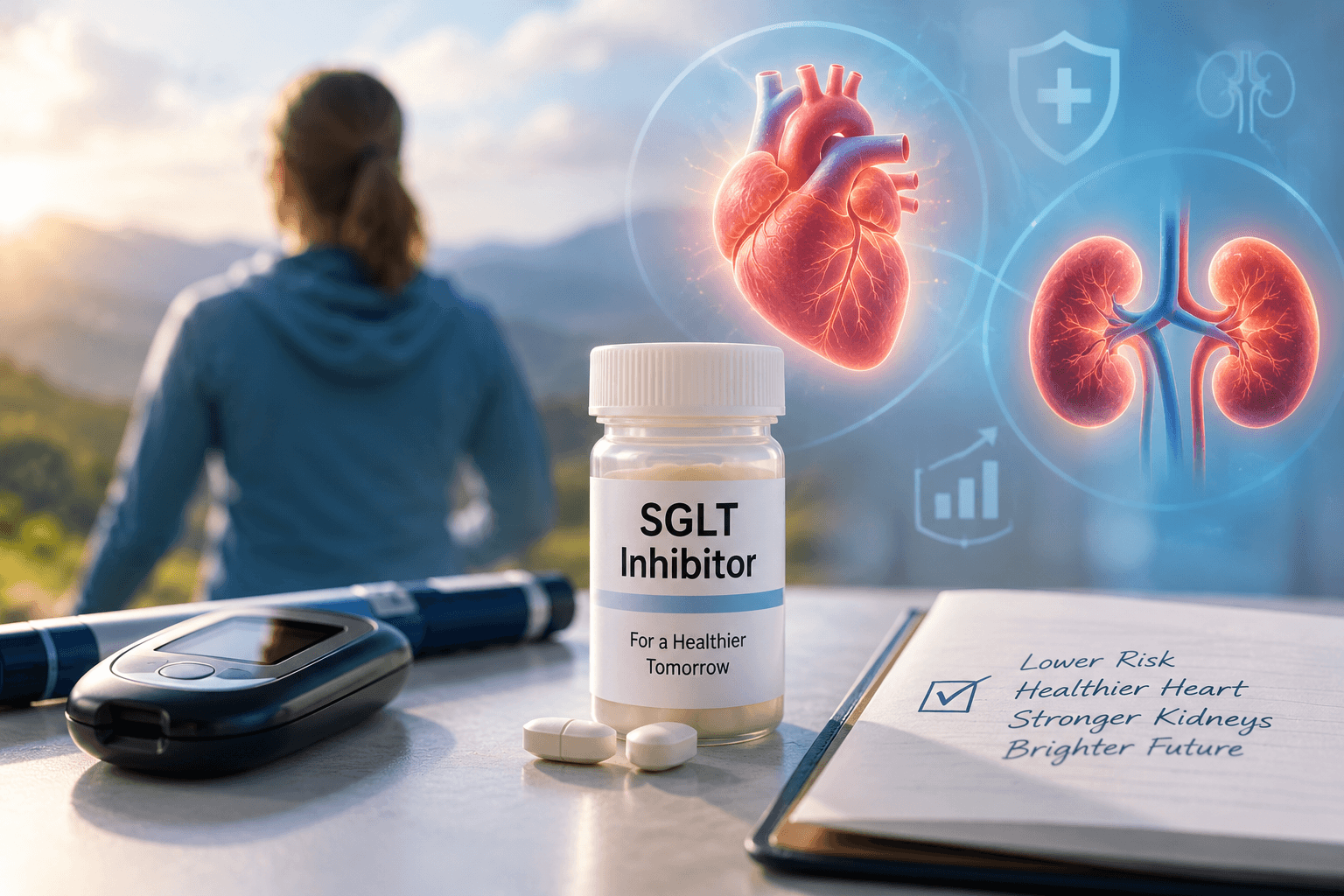
SGLT inhibitors have changed the treatment landscape for cardiovascular and kidney disease, particularly in people with type 2 diabetes, heart failure, and chronic kidney disease. That success raises an obvious question: why are SGLT inhibitors in type 1 diabetes still largely outside routine clinical practice? The answer is not a …
Read More »
5 days ago
Articles, Blood Glucose Control, Blood Glucose Control, Type 1 Diabetes, Type 1 Diabetes
747 views
Three decades of advances in diabetes care have transformed how people with type 1 diabetes manage glucose. Insulin pumps, continuous glucose monitoring (CGM), improved insulin analogs, automated insulin delivery, and earlier screening have all changed daily treatment. However, have these advances actually reduced the long-term complications of type 1 diabetes? …
Read More »
2 weeks ago
Articles, Blood Glucose Control, Blood Glucose Control, Insulin Therapy Center, Pediatrics, Type 1 Diabetes, Type 1 Diabetes
1,348 views
The choice of human vs analogue insulin is especially important for people with Type 1 diabetes who live where healthcare resources are limited. Analogue insulins are often preferred because their action can be more predictable and flexible. However, human insulin is generally less expensive and may be easier for health …
Read More »
2 weeks ago
Articles, Blood Glucose Control, Blood Glucose Control, Diabetes, Gastroenterology, Physician oriented
3,610 views
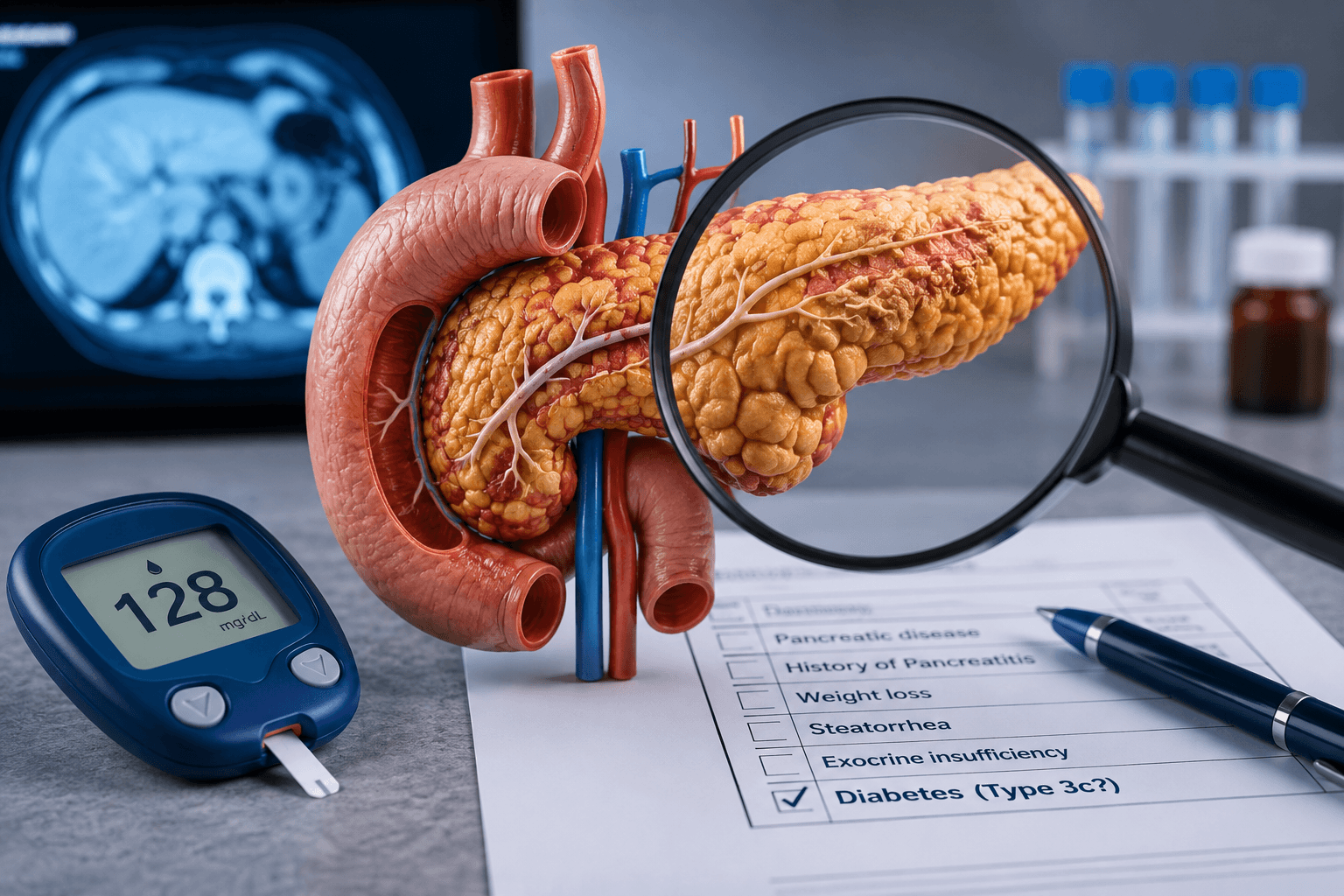
A patient develops diabetes in adulthood, so Type 2 diabetes may seem like the obvious diagnosis. However, what if that patient also has chronic pancreatitis, unexplained weight loss, pancreatic surgery, or symptoms of poor nutrient absorption? Those details can change the clinical picture. Careful evaluation can reveal Type 3c diabetes …
Read More »
4 weeks ago
Articles, Blood Glucose Control, Blood Glucose Control, Devices, Diabetes, Insulin Therapy Center
887 views
For millions of people who use injectable diabetes medications, treatment can mean living with needles every day. What if a small skin patch could eventually deliver insulin or other therapies with far less discomfort? Researchers studying microneedle patches for diabetes hope to make that possibility practical. These experimental patches use …
Read More »
4 weeks ago
Articles, Blood Glucose Control, Blood Glucose Control, Diabetes
4,183 views
You went to bed with your blood sugar in range, skipped the midnight snack, and still woke up high. What happened? For many people with diabetes, natural early-morning hormone changes may be responsible. Understanding the dawn phenomenon can help you recognize this pattern and discuss safe ways to improve morning …
Read More »
Aug 13, 2026
Articles, Blood Glucose Control, Blood Glucose Control, Devices, Diabetes, Insulin Therapy Center, Type 1 Diabetes, Type 1 Diabetes
1,039 views
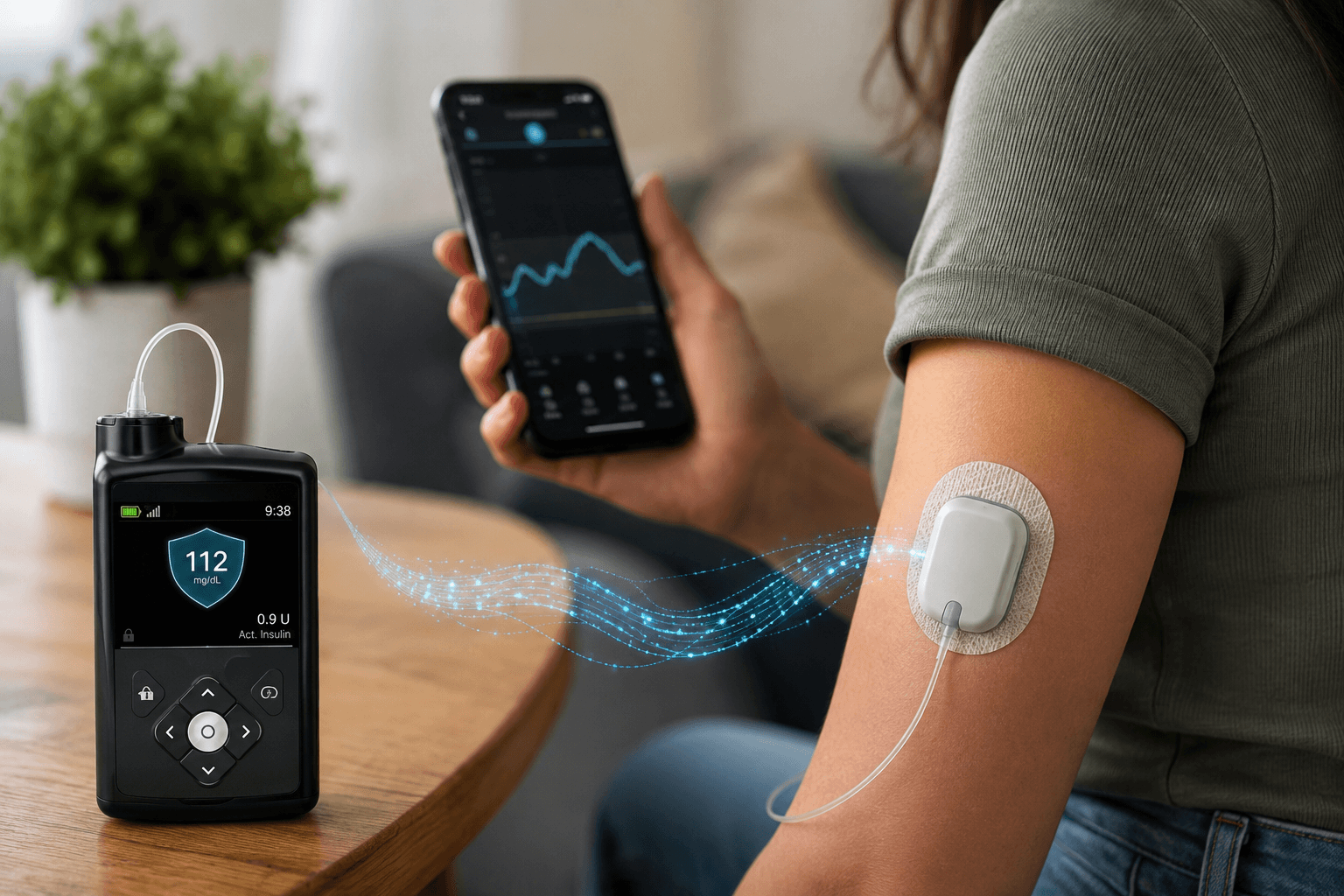
Artificial intelligence is entering diabetes care in a surprisingly quiet way. Rather than appearing as a chatbot or separate decision-support tool, increasingly sophisticated algorithms are being built into automated insulin delivery systems. Adaptive insulin pump hardware can work with continuous glucose monitor (CGM) data, recent insulin delivery, and changing glucose …
Read More »
Jul 21, 2026
Articles, Blood Glucose Control, Blood Glucose Control, Type 1 Diabetes, Type 1 Diabetes
1,182 views
Receiving a diagnosis of type 1 diabetes can feel overwhelming. Yet for many adults, the weeks or months that follow bring an unexpected twist. Blood glucose levels often become easier to control, insulin needs decrease, and some people wonder if their diabetes is actually improving. This temporary period is known …
Read More »
Jul 20, 2026
Articles, Therapies, Type 1 Diabetes, Type 1 Diabetes
1,921 views
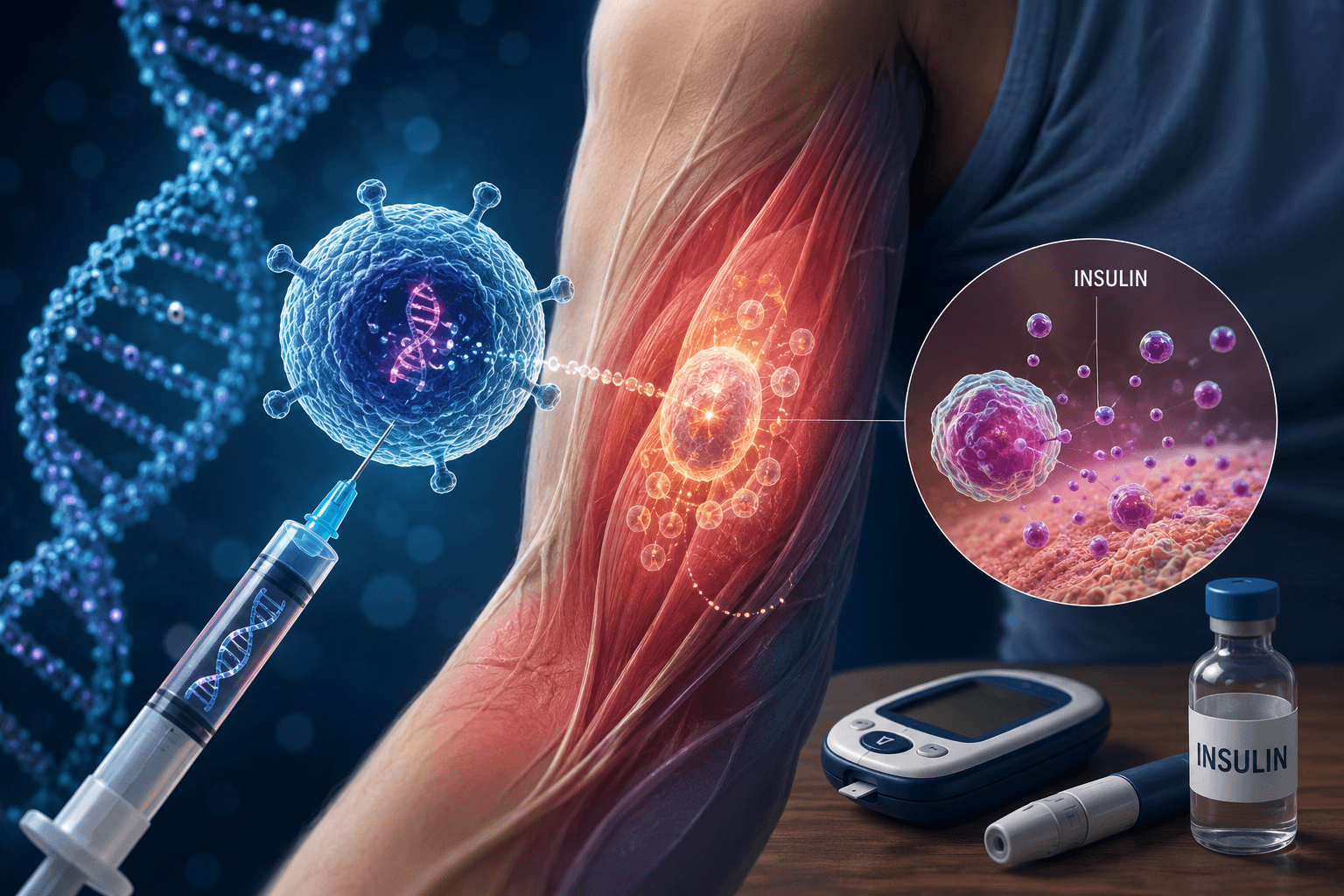
For more than a century, insulin therapy has remained the cornerstone of treatment for type 1 diabetes. While continuous glucose monitors, insulin pumps, and automated insulin delivery systems have dramatically improved diabetes management, they still do not replace the body’s natural ability to regulate blood sugar. As a result, researchers …
Read More »
Jul 13, 2026
Articles, Blood Glucose Control, Blood Glucose Control, Diabetes, Type 2 Diabetes, Type 2 Diabetes
1,055 views
Managing diabetes has never offered more therapeutic options. Continuous glucose monitors (CGMs), automated insulin delivery systems, GLP-1 receptor agonists, SGLT2 inhibitors, and individualized treatment plans have transformed patient care. Yet despite these advances, many people with diabetes continue to struggle, not because treatments are ineffective, but because the overall workload …
Read More »
 Diabetes In Control. A free weekly diabetes newsletter for Medical Professionals. News and information for Medical Professionals.