5 days ago
Articles, Blood Glucose Control, Blood Glucose Control, Devices, Diabetes, Nephrology, Type 2 Diabetes, Type 2 Diabetes
1,476 views
Managing glucose is rarely simple for people with Type 2 diabetes who receive maintenance hemodialysis. Dialysis can change glucose patterns, insulin needs, and the reliability of familiar measures such as A1C. As a result, clinicians may have an incomplete picture when making treatment decisions. New randomized research on CGM use …
Read More »
2 weeks ago
Articles, Blood Glucose Control, Blood Glucose Control, Insulin Therapy Center, Pediatrics, Type 1 Diabetes, Type 1 Diabetes
1,348 views
The choice of human vs analogue insulin is especially important for people with Type 1 diabetes who live where healthcare resources are limited. Analogue insulins are often preferred because their action can be more predictable and flexible. However, human insulin is generally less expensive and may be easier for health …
Read More »
2 weeks ago
Articles, Blood Glucose Control, Blood Glucose Control, Diabetes, Gastroenterology, Physician oriented
3,609 views
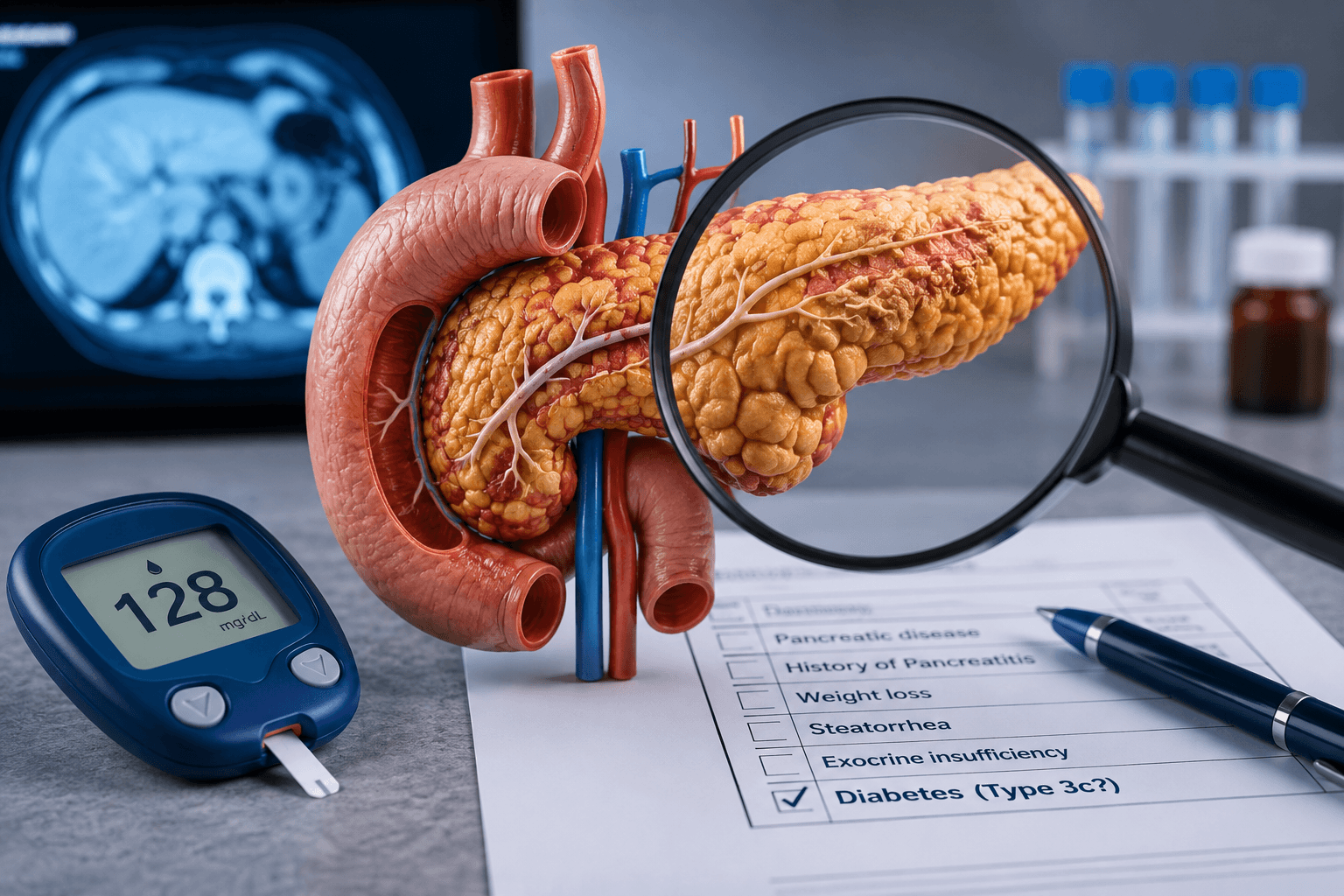
A patient develops diabetes in adulthood, so Type 2 diabetes may seem like the obvious diagnosis. However, what if that patient also has chronic pancreatitis, unexplained weight loss, pancreatic surgery, or symptoms of poor nutrient absorption? Those details can change the clinical picture. Careful evaluation can reveal Type 3c diabetes …
Read More »
Aug 17, 2026
Articles, Blood Glucose Control, Blood Glucose Control, Diabetes, Diet and Nutrition, Obesity, Surgery
630 views
Blood glucose may improve dramatically after metabolic or bariatric surgery. Yet, for some patients, a very different glucose problem develops months or years later. Post-bariatric hypoglycemia can cause sudden drops in blood glucose after meals, with symptoms ranging from sweating and tremor to confusion, seizures, or loss of consciousness. Because …
Read More »
Jul 3, 2026
Articles, Blood Glucose Control, Diabetes
1,929 views
Hospital glucose management has long relied on reactive treatment strategies, especially sliding-scale insulin protocols that respond to blood glucose after it has already risen. While this approach remains common, healthcare systems are increasingly exploring AI solutions for inpatient diabetes care that predict glucose changes before they become dangerous. Instead of …
Read More »
Jul 2, 2026
Articles, Blood Glucose Control, Blood Glucose Control, Diabetes, Insulin Therapy Center, Therapies, Type 1 Diabetes, Type 1 Diabetes, Type 2 Diabetes, Type 2 Diabetes
2,509 views
For more than a century, insulin has saved millions of lives. Yet despite remarkable advances in diabetes technology, one major challenge remains: preventing hypoglycemia while maintaining excellent glucose control. That is why researchers are developing glucose-responsive insulin, often called “smart” insulin. Instead of delivering a fixed amount of insulin regardless …
Read More »
Jun 23, 2026
Articles, Diabetes, Mental Health, Neurology, Type 2 Diabetes, Type 2 Diabetes
4,109 views
For decades, diabetes care has focused on preventing complications such as retinopathy, nephropathy, neuropathy, and cardiovascular disease. Yet another complication may be developing much earlier and often without obvious symptoms: diabetes-related cognitive decline. While memory loss and dementia have traditionally been viewed as concerns of older age, growing evidence suggests …
Read More »
Sep 21, 2023
Blog, Blood Glucose Control, Type 1 Diabetes, Type 2 Diabetes
1,838 views
Hypoglycemia is a common condition in hospital settings that can cause significant health problems and even death if not managed properly. It is especially dangerous in elderly and diabetic patients. As a result, it is important to reduce the risk of hypoglycemic events in hospital settings. This article will discuss …
Read More »
 Diabetes In Control. A free weekly diabetes newsletter for Medical Professionals. News and information for Medical Professionals.