 Diabetes In Control. A free weekly diabetes newsletter for Medical Professionals. News and information for Medical Professionals.
When glucose numbers improve, patients are expected to feel better. Yet some people with type 1 diabetes report the opposite. A glucose level that looks reassuring on a continuous glucose monitor may leave them feeling tired, uncomfortable, or simply “off.” New research suggests that glycemic habituation may help explain this …
Read More »A1C Has a Blind Spot: Could Glycated Albumin Help Clinicians Act Faster?

A1C is one of the most useful tools in diabetes care, but it has an important limitation: it takes time to reflect change. Could a faster-moving marker help clinicians know sooner whether treatment is working? New randomized research on glycated albumin in diabetes offers an intriguing answer. Glycated albumin reflects …
Read More »Beyond Blood Sugar: What Personalized Nutrition May Be Doing to Inflammation

Medical nutrition therapy for diabetes is often discussed in terms of A1C, glucose levels, and weight. However, could personalized nutrition also influence inflammation and other aspects of metabolic health? A recent randomized controlled trial offers an intriguing reason to ask that question. Researchers found that individualized medical nutrition therapy with …
Read More »Why Cardiologists Are Looking Beyond Traditional SGLT2 Therapy
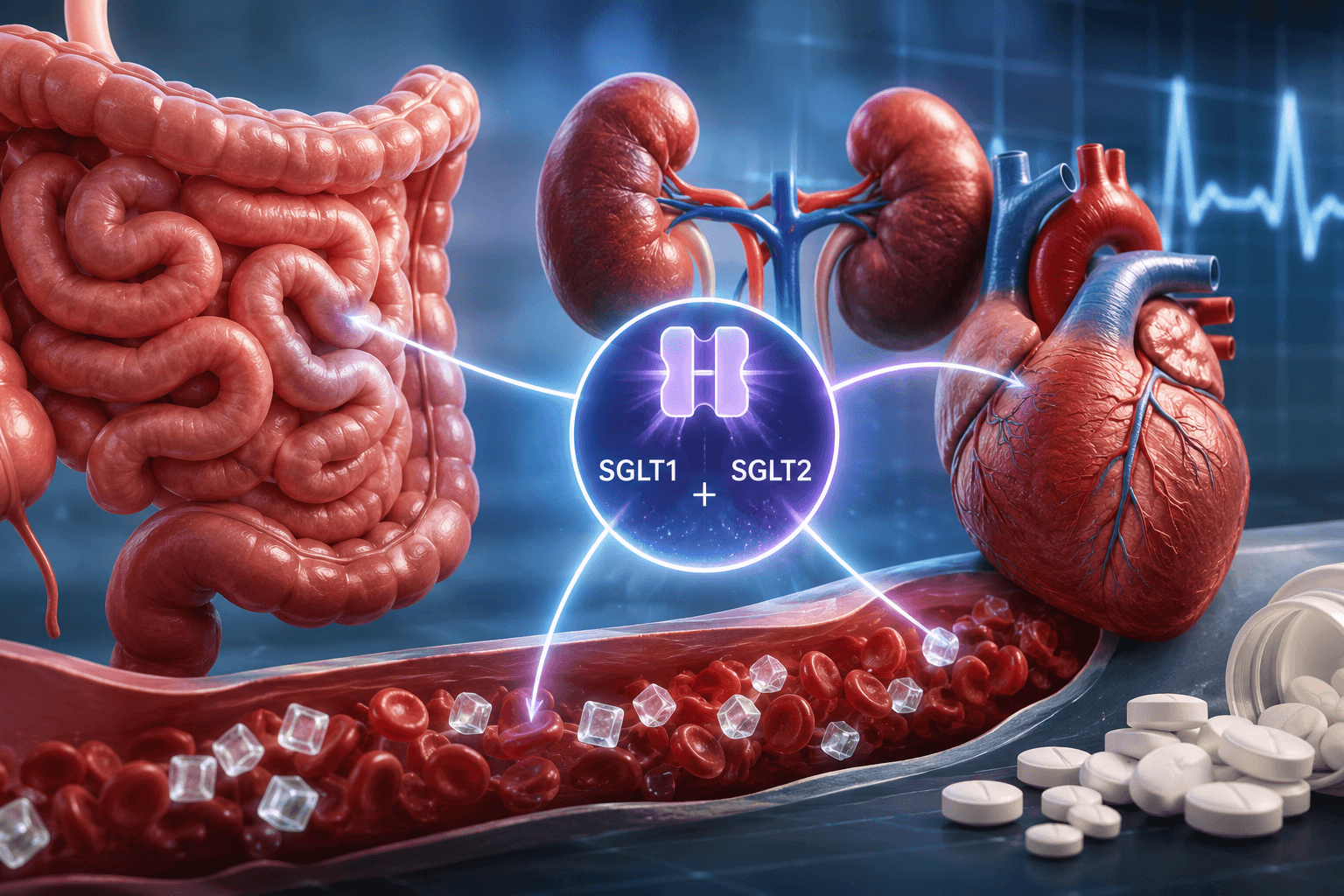
The treatment landscape for type 2 diabetes has changed dramatically over the past decade. While selective SGLT2 inhibitors have become a cornerstone of diabetes management because of their proven cardiovascular and kidney benefits, researchers are now exploring the added potential of dual SGLT1/2 inhibitor therapy for people with diabetes. By …
Read More »Why Some Young Adults Lose Diabetes Control After Leaving Pediatric Care

The transition from pediatric to adult diabetes care is one of the most challenging periods in the lives of young people with diabetes. While many adolescents successfully manage their condition with the support of pediatric diabetes teams, moving into adult healthcare often coincides with worsening blood glucose control, missed appointments, …
Read More »The Honeymoon Phase Won’t Last Forever: Are We Doing Enough to Preserve Beta Cells?

Receiving a diagnosis of type 1 diabetes can feel overwhelming. Yet for many adults, the weeks or months that follow bring an unexpected twist. Blood glucose levels often become easier to control, insulin needs decrease, and some people wonder if their diabetes is actually improving. This temporary period is known …
Read More »The Hidden Cost of Diabetes Care: Why Treatment Burden Is Becoming a Clinical Outcome

Managing diabetes has never offered more therapeutic options. Continuous glucose monitors (CGMs), automated insulin delivery systems, GLP-1 receptor agonists, SGLT2 inhibitors, and individualized treatment plans have transformed patient care. Yet despite these advances, many people with diabetes continue to struggle, not because treatments are ineffective, but because the overall workload …
Read More »The Return of C-Peptide: Why This Old Biomarker Is Finding New Clinical Uses
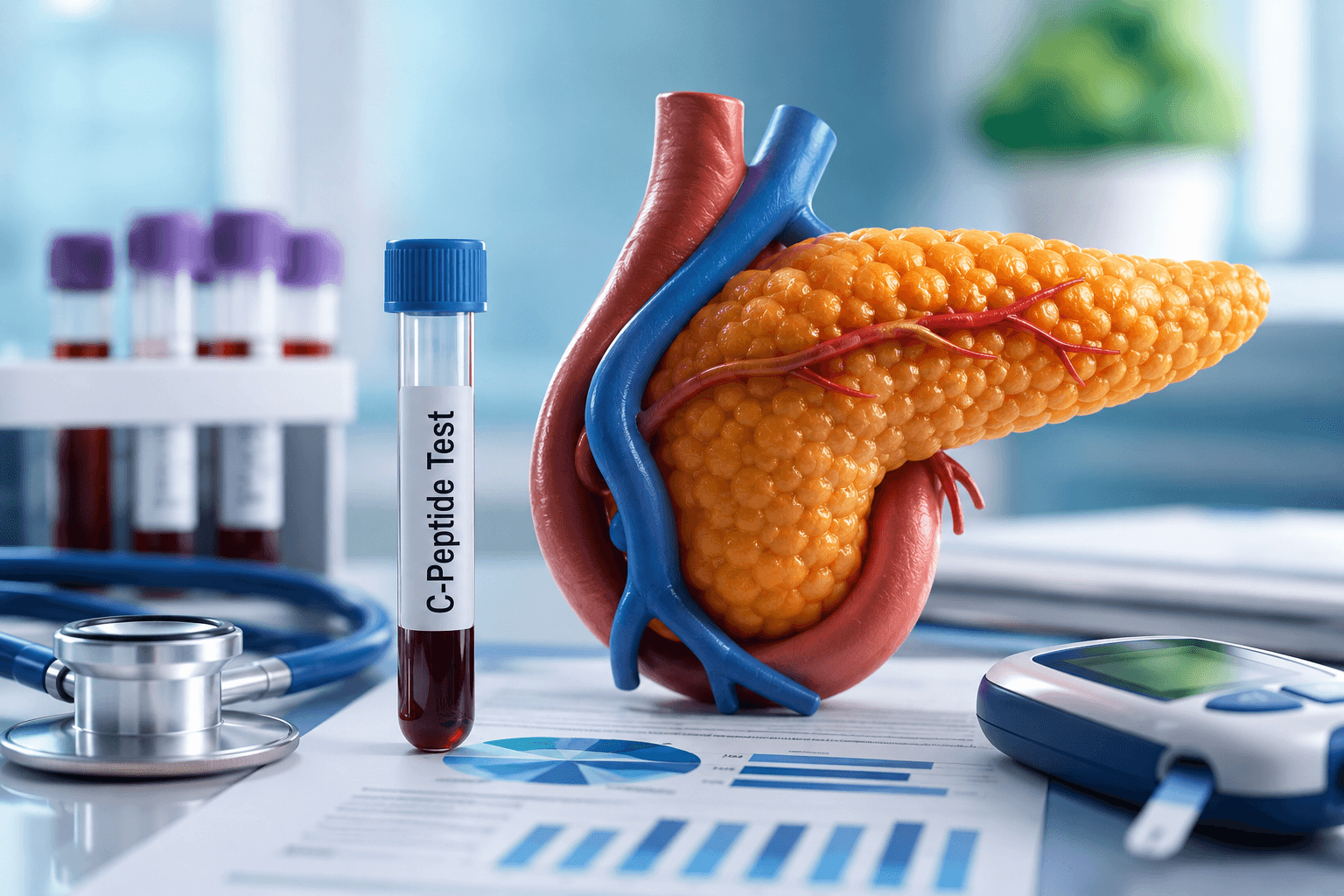
For many years, C-peptide testing was viewed as a simple tool to distinguish type 1 diabetes from type 2 diabetes. However, the story has changed. As researchers gain a better understanding of pancreatic beta-cell function, C-peptide testing in diabetes has become much more valuable than a diagnostic aid alone. Today, …
Read More »The End of Sliding-Scale Insulin? How Predictive AI Is Transforming Inpatient Diabetes Care

Hospital glucose management has long relied on reactive treatment strategies, especially sliding-scale insulin protocols that respond to blood glucose after it has already risen. While this approach remains common, healthcare systems are increasingly exploring AI solutions for inpatient diabetes care that predict glucose changes before they become dangerous. Instead of …
Read More »Does It Matter When Your Patients Eat? The New Science of Chrono-Nutrition
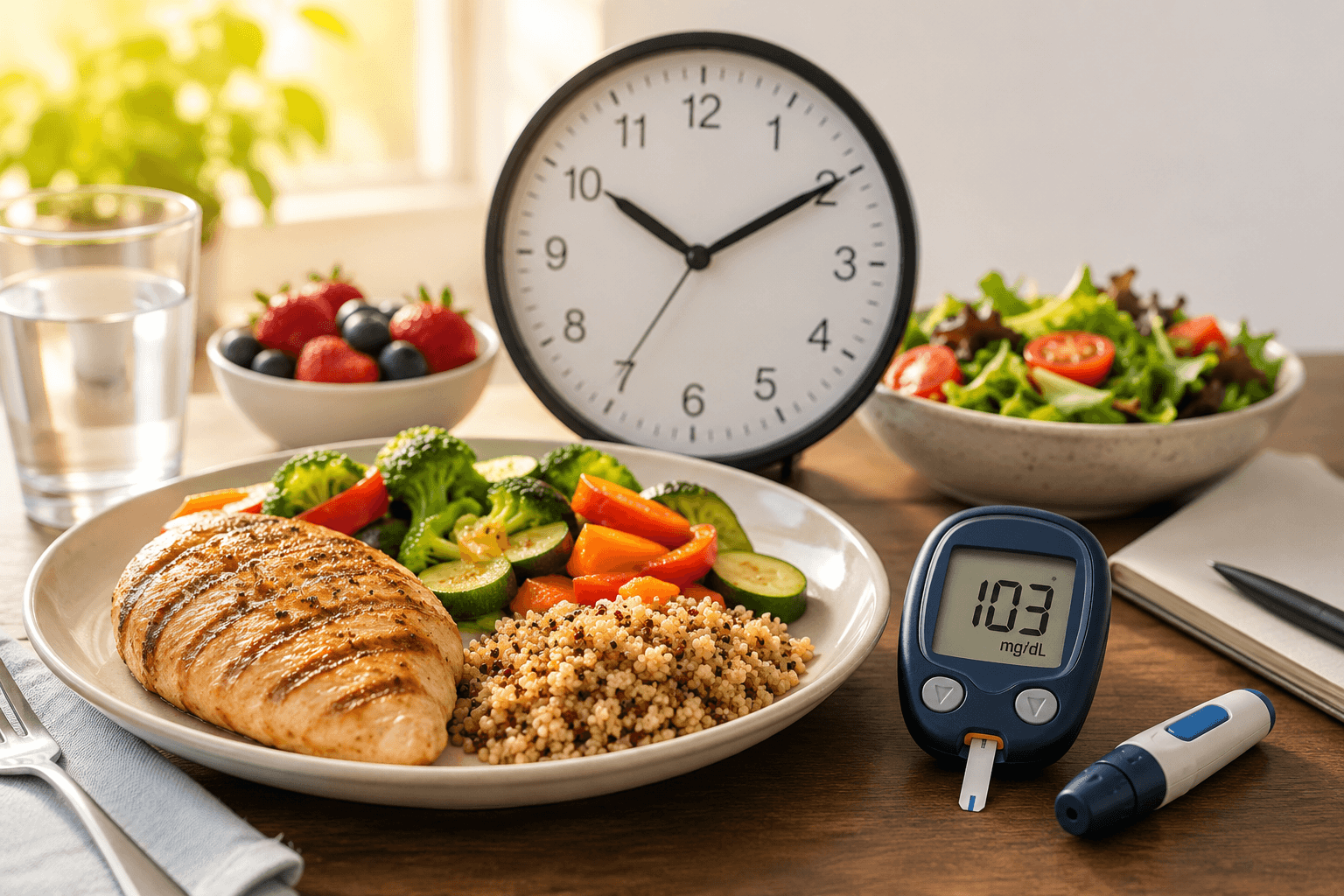
For decades, diabetes management has focused on what patients eat and how much they consume. However, emerging research suggests another factor deserves attention: when they eat. The growing field of chrono-nutrition research in diabetes explores how meal timing interacts with the body’s internal clock to influence glucose metabolism, insulin sensitivity, …
Read More »