Apr 28, 2026
Articles, Blood Glucose Control, Diabetes, Diet & Nutrition, Diet and Nutrition, Type 2 Diabetes, Type 2 Diabetes
3,501 views
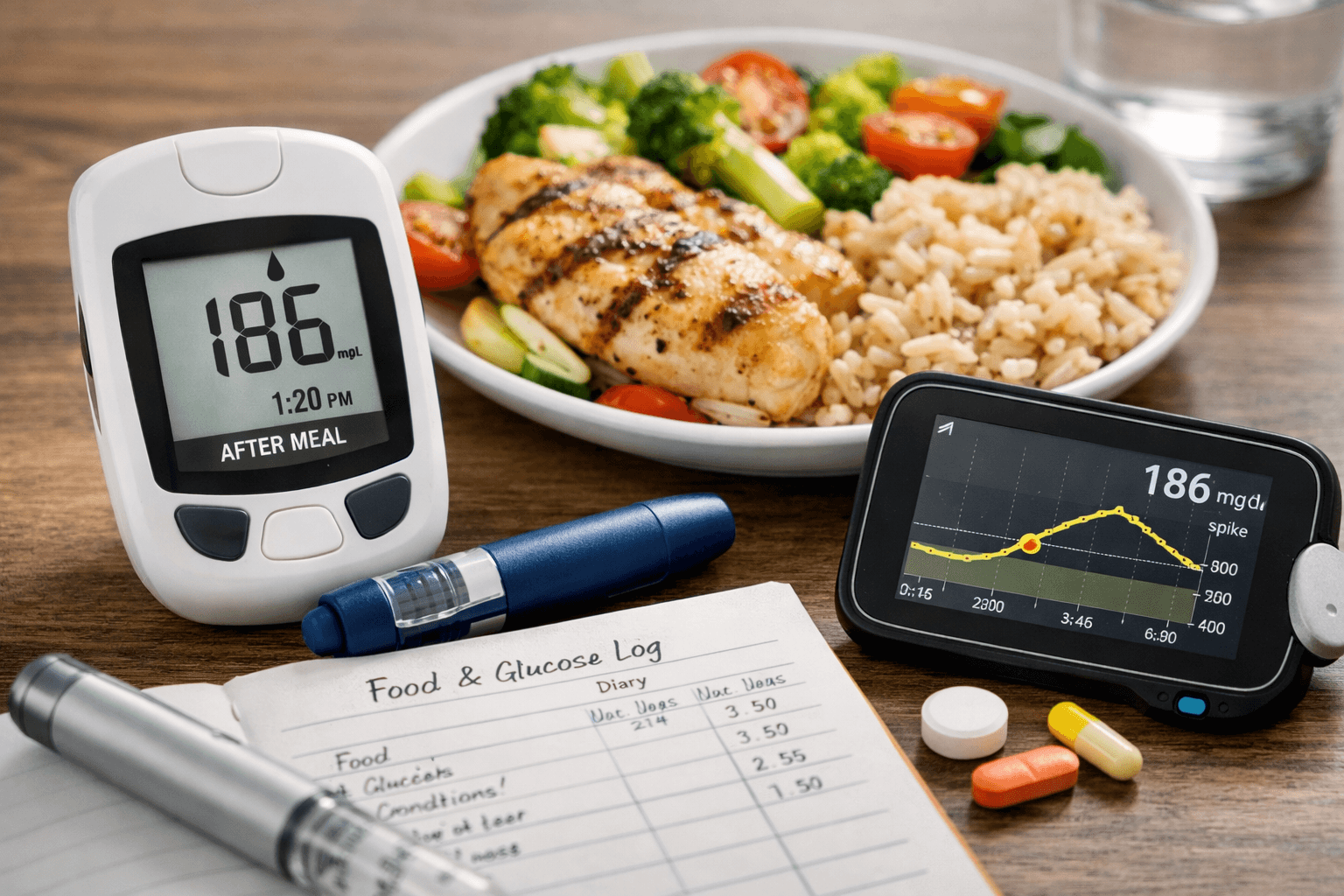
When managing diabetes, most people focus on A1C or time in range. However, what if the real opportunity lies in something more immediate and actionable? Managing post-meal blood sugar, often called postprandial glucose control, may hold the key to better outcomes. While long-term markers still matter, post-meal spikes often go …
Read More »
Apr 13, 2026
Articles, Blood Glucose Control, Blood Glucose Control, Diabetes, GLP- 1 Agonist Therapy Center, GLP-1 Agonist Therapy Center, Type 2 Diabetes, Type 2 Diabetes
1,954 views
Disease progression in patients using GLP-1 therapies is becoming a critical topic as these medications continue to reshape diabetes care. While GLP-1 receptor agonists improve glycemic control and support weight loss, could they also be hiding deeper metabolic decline? Much like a polished surface that conceals underlying cracks, improved lab …
Read More »
Apr 6, 2026
Articles, Diabetes, GLP- 1 Agonist Therapy Center, GLP-1 Agonist Therapy Center, Obesity, Obesity, Type 2 Diabetes, Type 2 Diabetes
2,637 views
GLP-1 dose escalation is quickly becoming a central topic in diabetes care, especially as higher dosing strategies gain traction. But are we truly entering a high-dose era, or simply refining how we use these powerful agents? As clinicians face patients who plateau on standard regimens, the question becomes not just …
Read More »
Mar 30, 2026
Articles, Diabetes, GLP- 1 Agonist Therapy Center, GLP-1 Agonist Therapy Center, Therapies, Type 2 Diabetes, Type 2 Diabetes
3,141 views
Patients who do not respond to GLP-1 therapy are becoming a growing concern in diabetes care, especially as GLP-1 receptor agonists continue to gain popularity for glycemic control and weight management. While clinical trials often show strong benefits, real-world results can vary. So why do some patients fail to respond …
Read More »
Feb 20, 2026
Articles, Blood Glucose Control, Blood Glucose Control, Diabetes, Diet and Nutrition, Prevention
5,029 views
Diabetes management often begins with nutrition advice. However, what happens when patients cannot afford fresh produce or live miles from a grocery store? For many people living with diabetes, food insecurity is a growing yet underrecognized barrier to glycemic control. While clinicians routinely discuss carbohydrate counting and meal planning, they …
Read More »
Feb 19, 2026
Articles, Blood Glucose Control, Blood Glucose Control, Diabetes, Prevention
2,956 views
Hospital discharge should mark a fresh start. However, for many patients, the period after a diabetes hospital discharge becomes a danger zone. The days following a hospital discharge for diabetes are often marked by hypoglycemia, medication confusion, and missed follow-up visits. In fact, the first 30 days often determine whether …
Read More »
Dec 11, 2025
Articles, Blood Glucose Control, Diabetes, Obesity, Type 2 Diabetes, Type 2 Diabetes
1,726 views
In clinical practice, the link between sleep apnea diabetes screening and improved patient outcomes is becoming increasingly clear. Obstructive sleep apnea (OSA) is both a contributor to and a consequence of poor glycemic control, yet it remains under‑recognized in diabetes management. If clinicians fail to screen for sleep apnea in …
Read More »
Dec 4, 2025
Articles, Blood Glucose Control, Diabetes, Diet and Nutrition, Type 2 Diabetes
3,638 views
Could something as simple as a mineral or vitamin really shift the trajectory of type 2 diabetes? It’s a question both patients and clinicians increasingly ask as supplements gain popularity and more studies explore their potential benefits. While standard treatments remain foundational, micronutrients like magnesium and vitamin D have sparked …
Read More »
Dec 3, 2025
Articles, Insulin Therapy Center, Therapies, Type 2 Diabetes
2,633 views
Starting insulin early in the course of type 2 diabetes may seem counter‑intuitive. After all, many patients and clinicians treat insulin as a “last resort.” Yet what if early insulin initiation could actually change the trajectory of the disease — preserving pancreatic function, improving long‑term control, and reducing complications? In …
Read More »
Dec 3, 2025
AI-news, Articles, Blood Glucose Control, Diabetes, Therapies, Type 2 Diabetes
3,955 views
Imagine a virtual version of yourself, a “mirror you” inside a computer, where doctors and you can test different treatments, diets, or lifestyle changes — without any risk. This is not science fiction anymore. In recent years, researchers have begun applying the concept of “digital twins diabetes” — virtual patient …
Read More »
 Diabetes In Control. A free weekly diabetes newsletter for Medical Professionals. News and information for Medical Professionals.